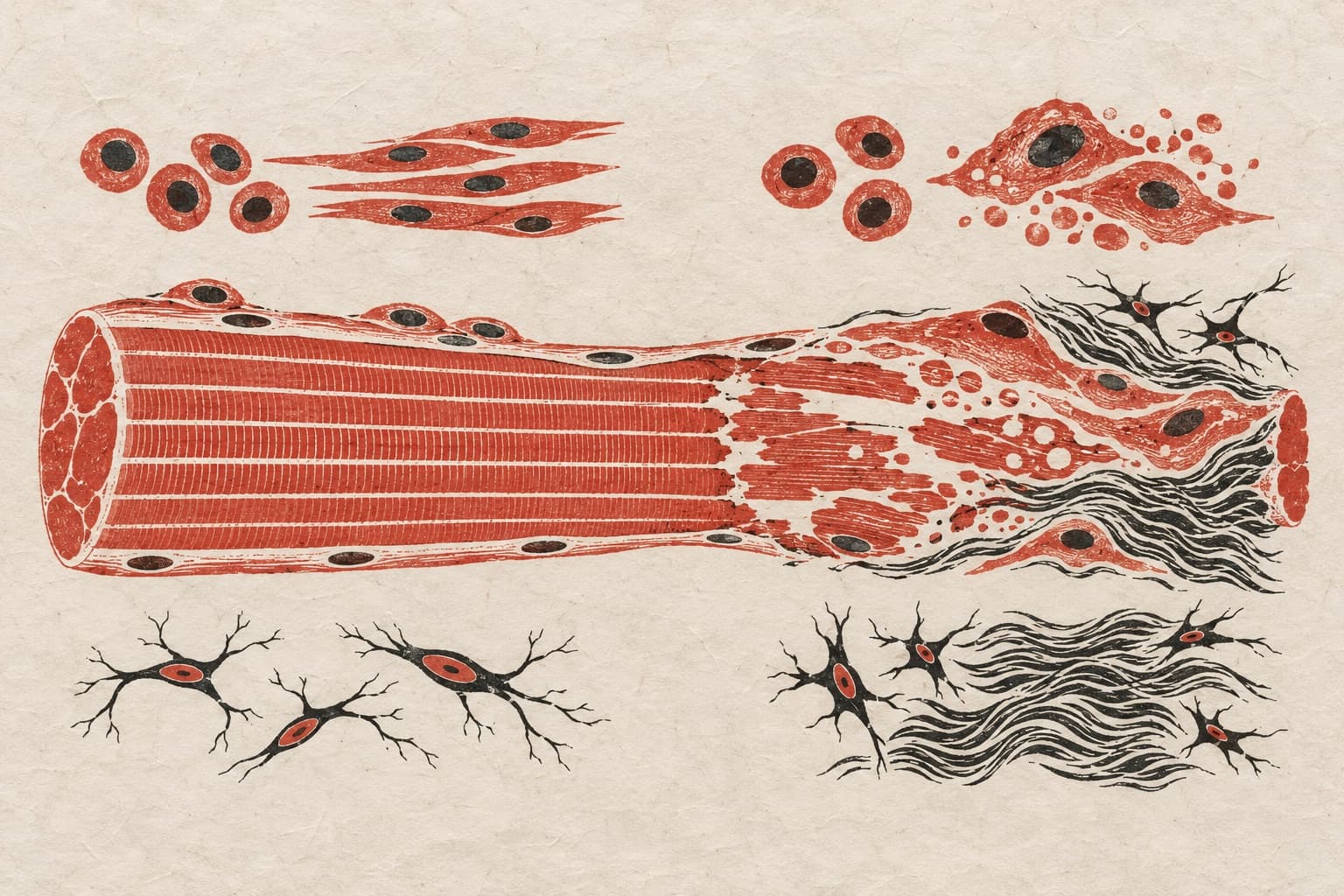
Loss of myofibril number drives muscle fibre atrophy during aging and disuse
Structural analyses of humans and mice reveal that fibers shrink primarily by shedding myofibrils rather than reducing myofibril size.
The Journal of Physiology
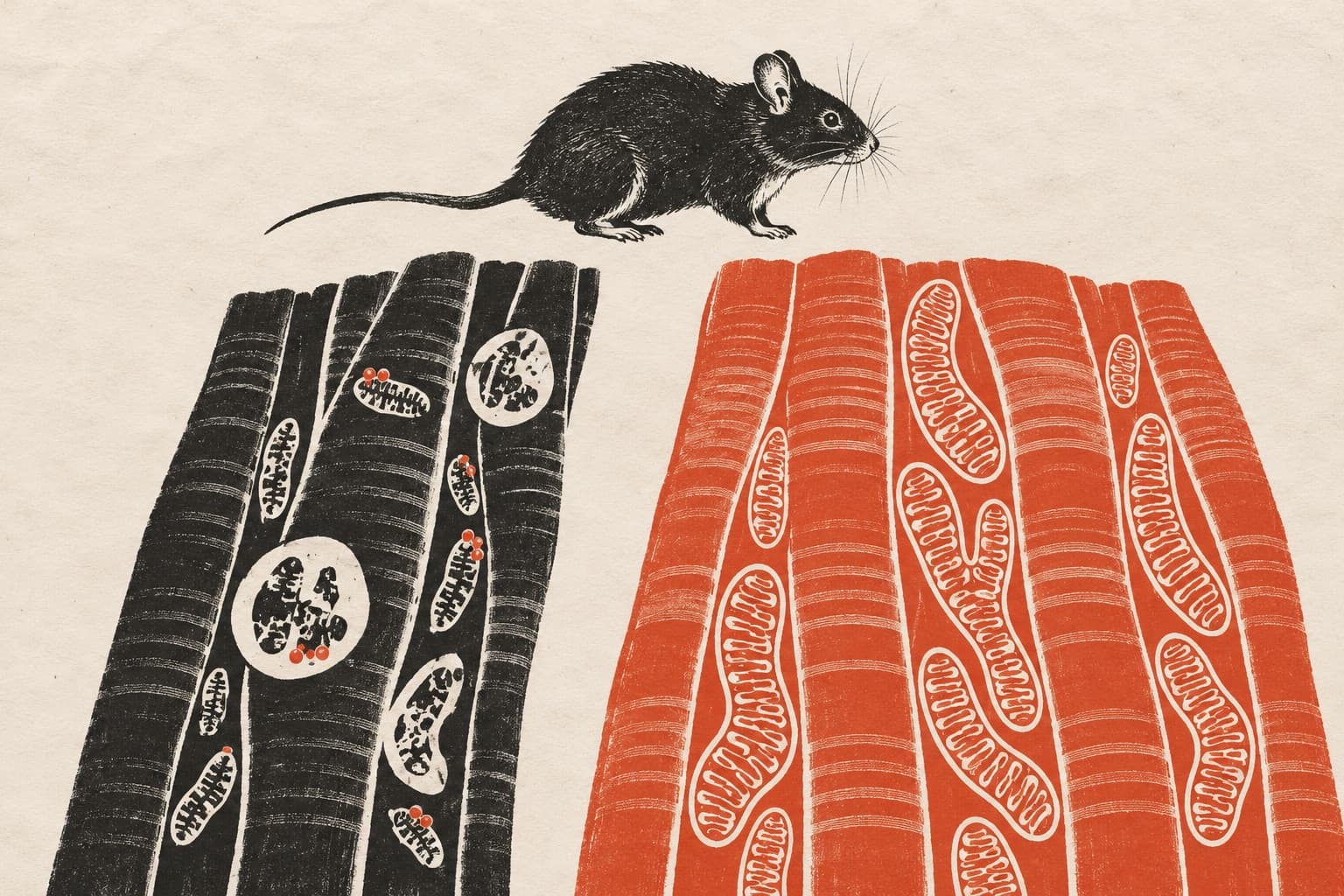
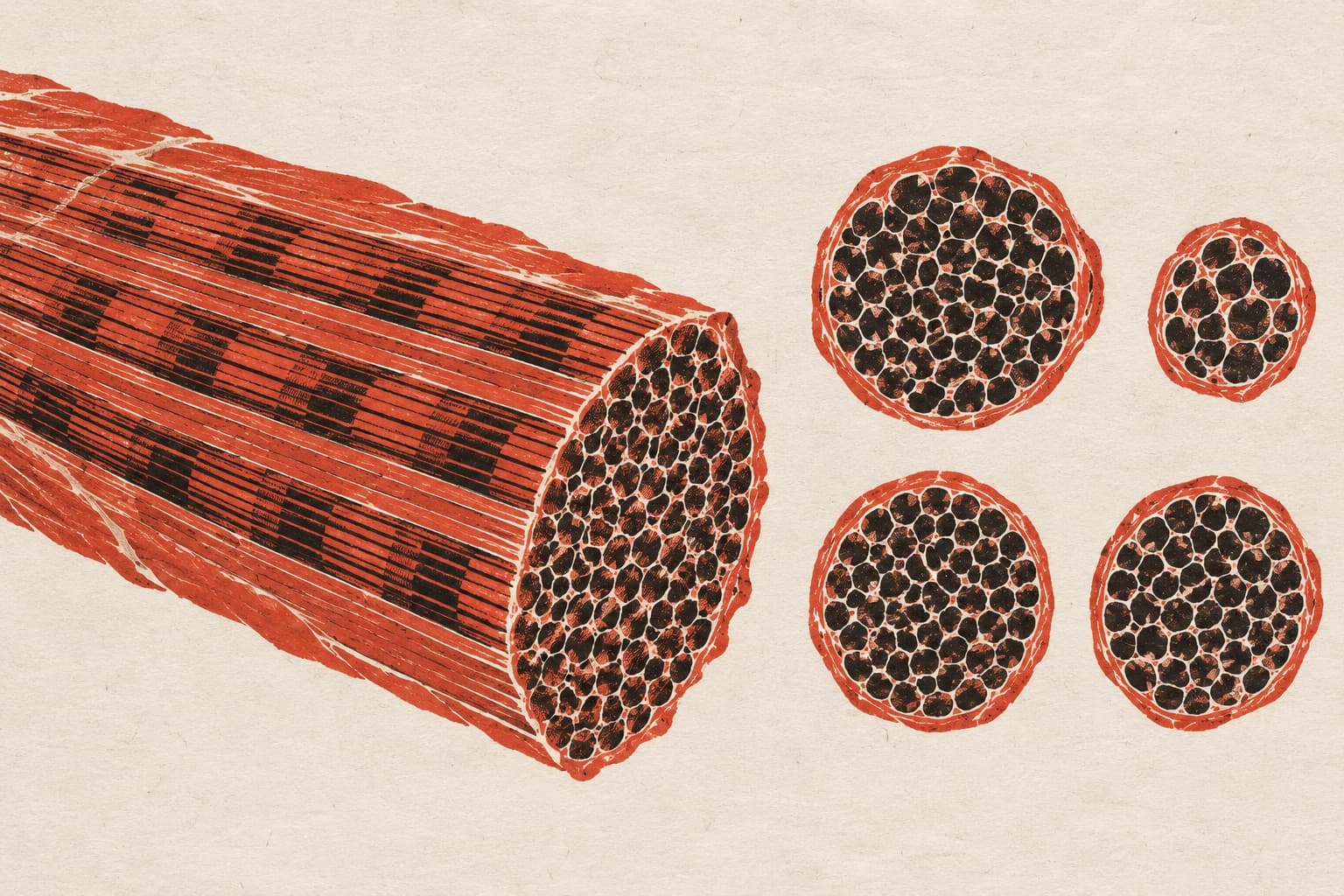
In young and older humans and mice, researchers examined the macroscopic to ultrastructural drivers of skeletal muscle loss. The team used magnetic resonance imaging to assess human quadriceps volume, alongside muscle biopsy imaging to measure fibre and myofibril characteristics. They also evaluated aged mice and a mouse model of disuse atrophy caused by unilateral limb immobilization. In humans, aging reduced muscle volume and cross-sectional area, causing radial atrophy in SERCA1-positive fibres while preserving SERCA2-positive fibres. This atrophy stemmed predominantly from having fewer myofibrils rather than smaller myofibrils. Mice showed similar aging patterns, though their SERCA1 myofibrils also shrank slightly. Disuse in mice likewise triggered muscle fibre atrophy driven almost entirely by a lower number of myofibrils.
Why it matters
Identifying myofibril loss as the conserved driver of fiber shrinkage provides a specific structural target for therapies aiming to counteract sarcopenia and disuse-related muscle wasting.
Caveats
The human findings rely on cross-sectional observations, and the disuse-induced atrophy experiments were limited to mice.
The paper
Show 10 more authors
Jamie E. Hibbert, Marius Meinhold, Corey G. K. Flynn, Jared Hartung, Matilde B. Z. Santibanez, Isabell Dobrzycki, David J. Wrucke, Carlos S. Zepeda, Jessica J. James, Christopher W. Sundberg,University of Wisconsin–Madison
The Journal of Physiology · 25 Sep 2026