Slower stepping in older adults linked to processing delays
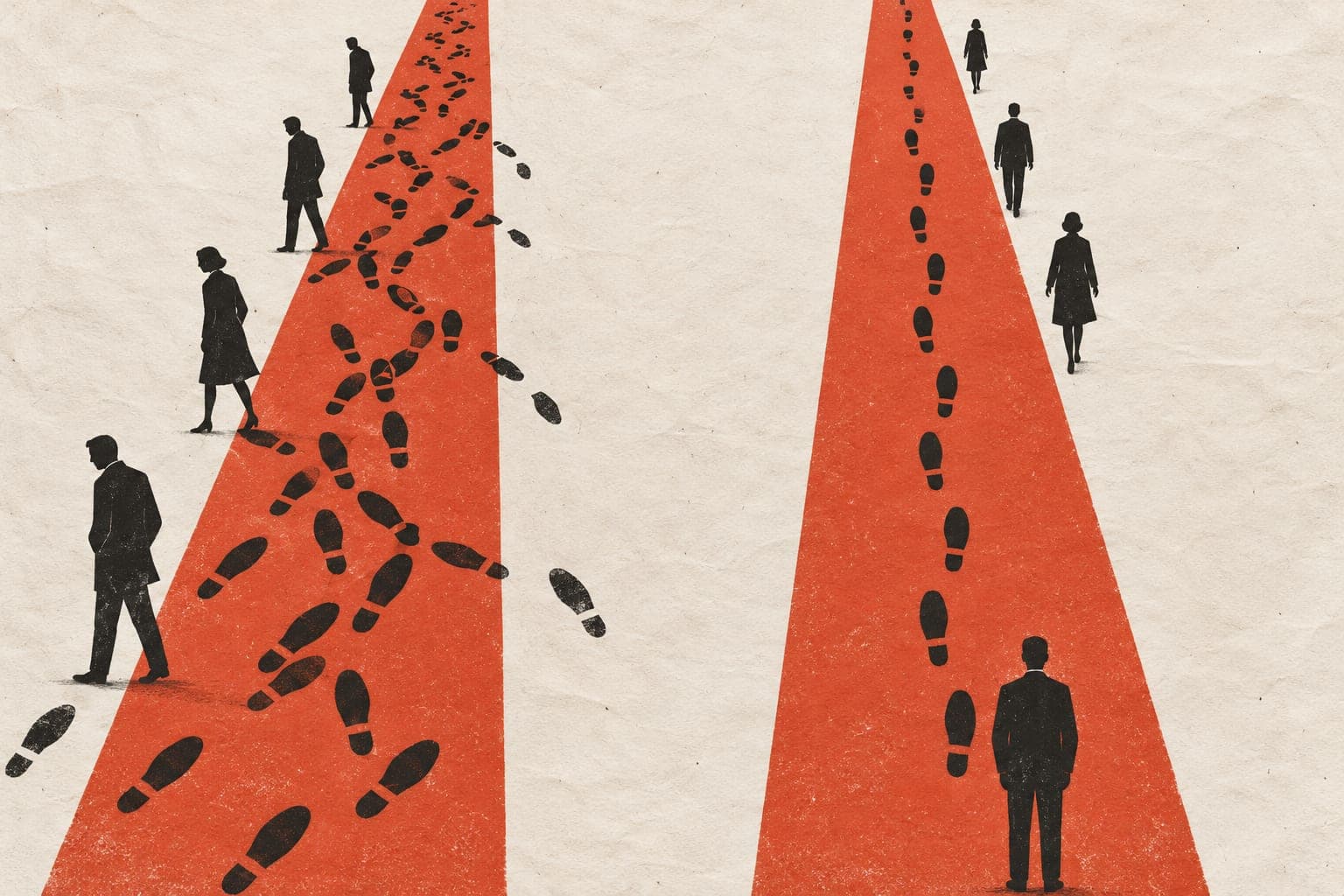
An observational comparison of 54 healthy older and 28 younger adults linked slower stepping to less efficient information processing, rather than greater caution.
PsyArXiv
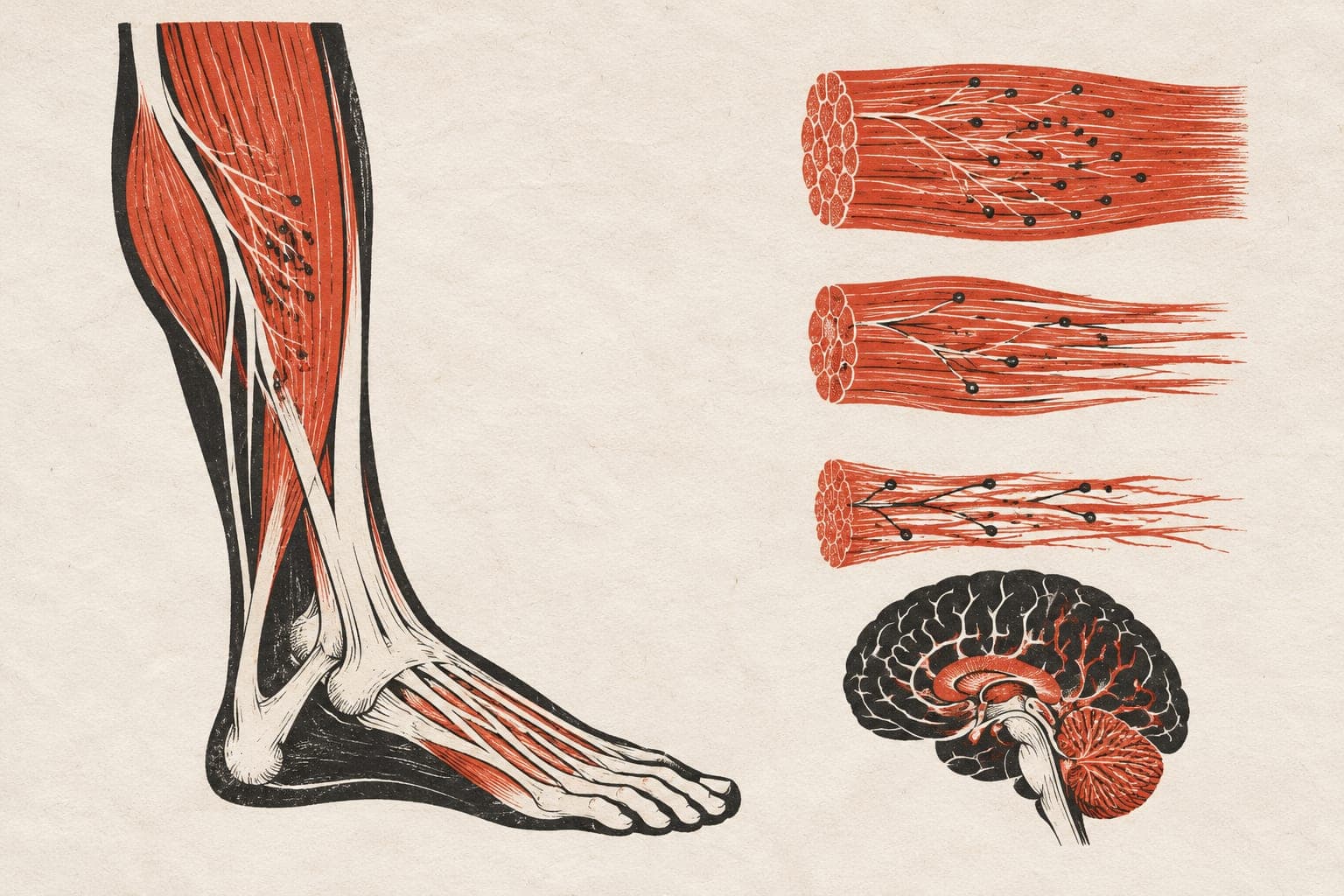
In an observational study, 54 healthy older adults and 28 younger adults completed three response tasks: pressing a button with a finger, tapping a foot while seated, and starting a forward step from standing. Researchers analysed response times and accuracy with a diffusion decision model, a mathematical tool for separating information processing, decision caution and other response processes.
Older adults responded more slowly in all three tasks. The model indicated that they gathered information less efficiently and spent longer on processes outside the decision itself, reflecting slower movement execution. Younger adults required more evidence than older adults before deciding to step, but not before finger or foot responses. The findings linked slower stepping to information-processing and movement delays rather than greater caution about when to act.
Why it matters
Age-related slowing of stepping poses a risk for falls. Distinguishing the processes involved may help identify targets for interventions aimed at this slowing.
Caveats
The observational design cannot establish causes, and the interpretation depends on the decision model. This preprint has not been peer-reviewed.
The paper
Understanding age-related changes in choice stepping responses using the diffusion decision model
Kemp SA, Stevenson N, Wells MJ et al.
PsyArXiv · 7 Oct 2026 · Preprint, not peer-reviewed