Pooled Human BM-MSCs and Hyaluronic Acid Restore Disc Matrix Homeostasis and Histological Architecture in a Rat Disc Degeneration Model of Lower Back Pain
Abstract
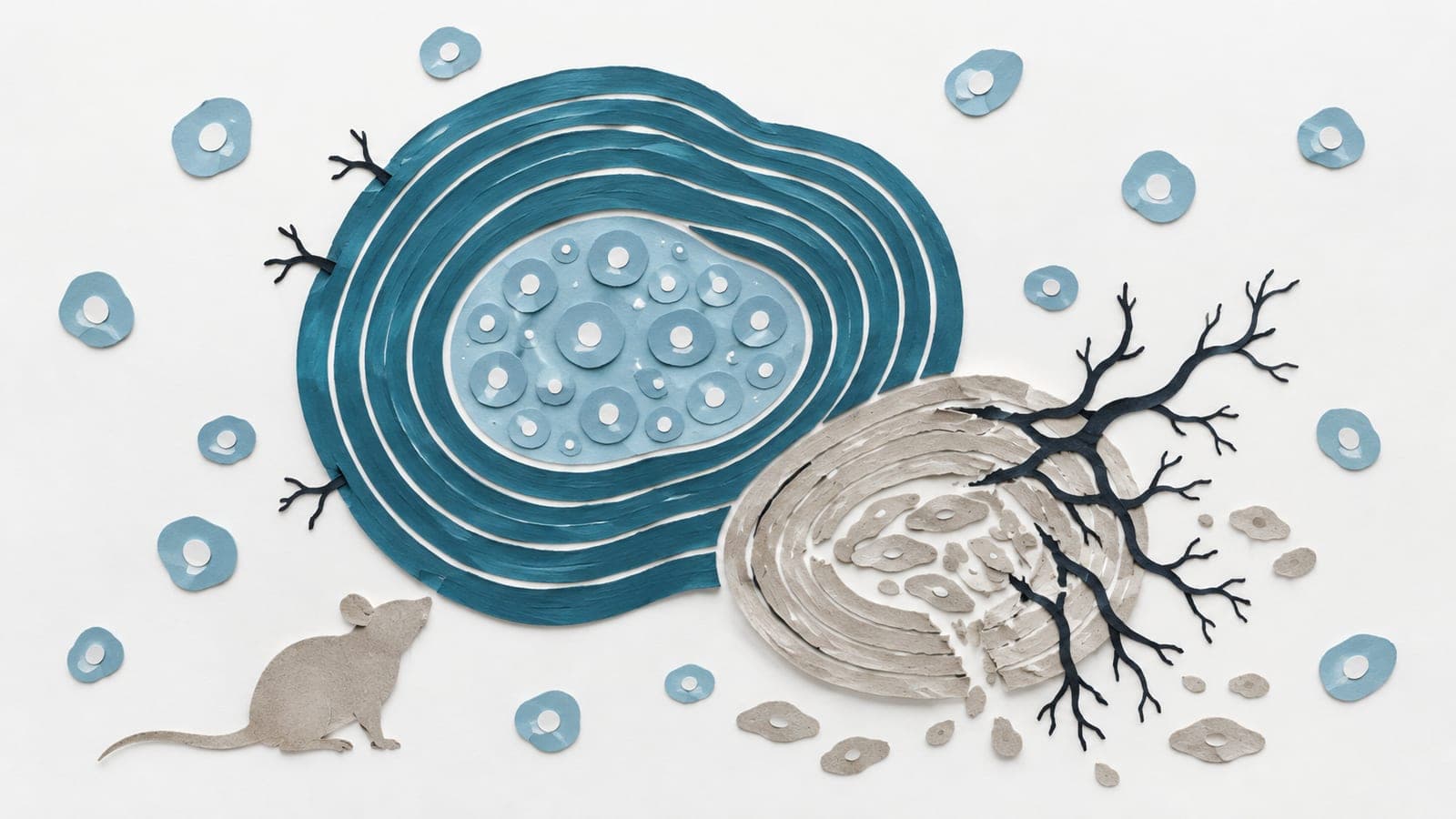
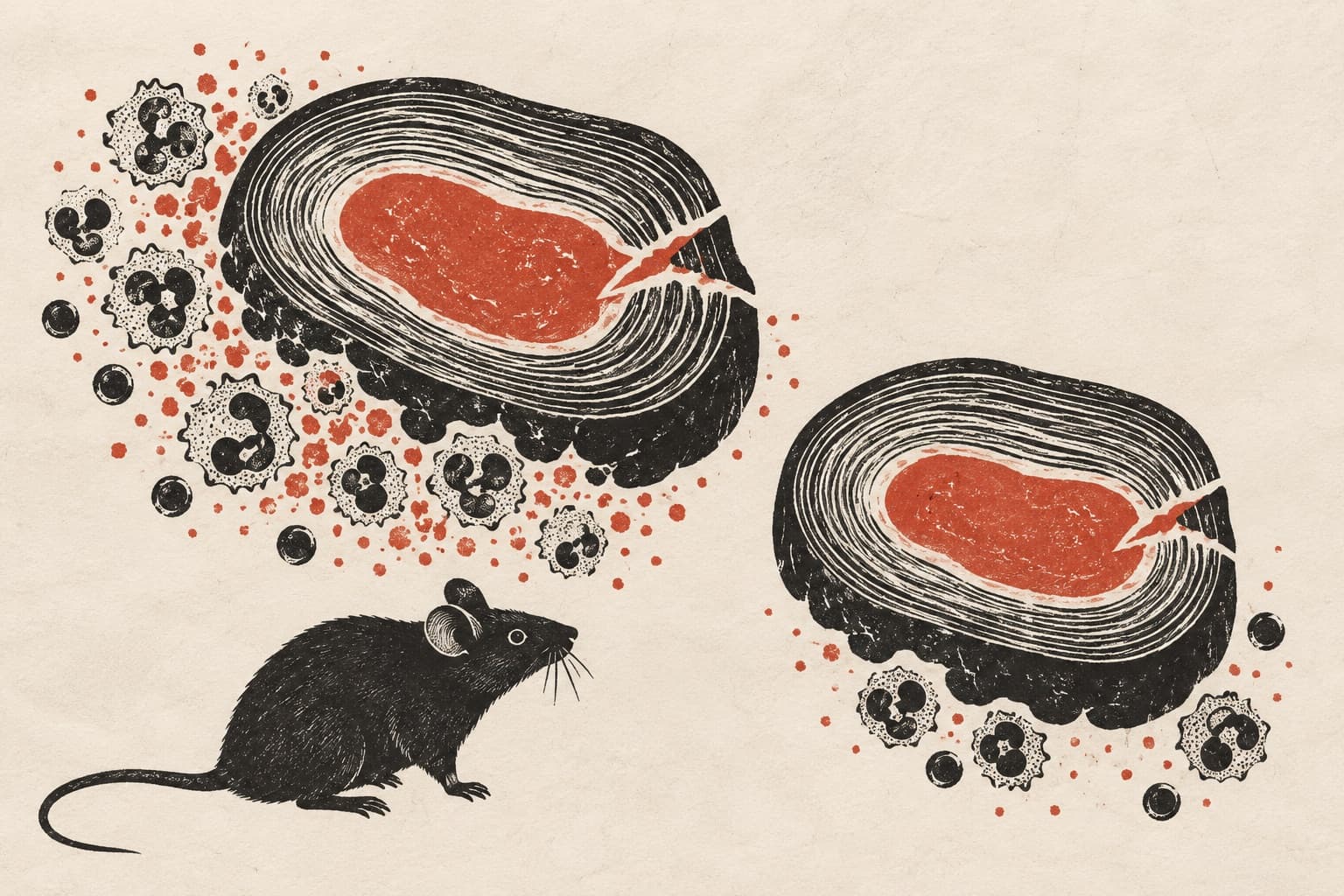
In this study, we aim to evaluate the efficacy of pooled human bone marrow-derived mesenchymal stromal cells (hBM-MSCs) along with hyaluronic acid (HA) termed as Stempeucel®. In a lateral incision disc puncture induced rat model of intervertebral disc disease. Using a lateral incision approach, a 22-gauge needle was employed to puncture the lumbar discs (L5-L6), inducing nucleus pulposus (NP) cell degeneration and promoting hallmarks of degenerative features, including degenerated chondrocyte like NP cells and increased tissue fibrosis. Disease progression was evaluated at weeks 4, 8, and 12. We further investigated the efficacy of pooled hBM-MSCs delivered in combination with HA hydrogel carrier. Three human equivalent doses (HEDs) of hBM-MSCs (5, 10, and 15 million cells) were injected intradiscally. The combination therapy significantly preserved disc structure and promoted tissue regeneration. Notably, by week 12, treated discs showed improvements in pain reduction, and histological parameters. Elevated expression of aggrecan, SOX9, and collagen-II, indicating enhanced chondrogenesis. The treatment promoted recovery of NP cells, resulting in enhanced proteoglycans that are crucial for disc hydration and function. The treatment mitigated fibrotic changes induced by the needle puncture, suggesting a reversal of degeneration. This study presents the regenerative potential of pooled hBM-MSCs and HA for treating IVDD, offering a promising strategy for long-term relief from LBP.
The paper
National Institute of Pharmaceutical Education and Research - Ahmedabad
Research Square, 5 Oct 2026, Open access, Preprint, not peer-reviewed