Matricytosis is a phenotype-specific ECM internalization program dysregulated across macrophages and fibroblasts in pulmonary fibrosis
Abstract
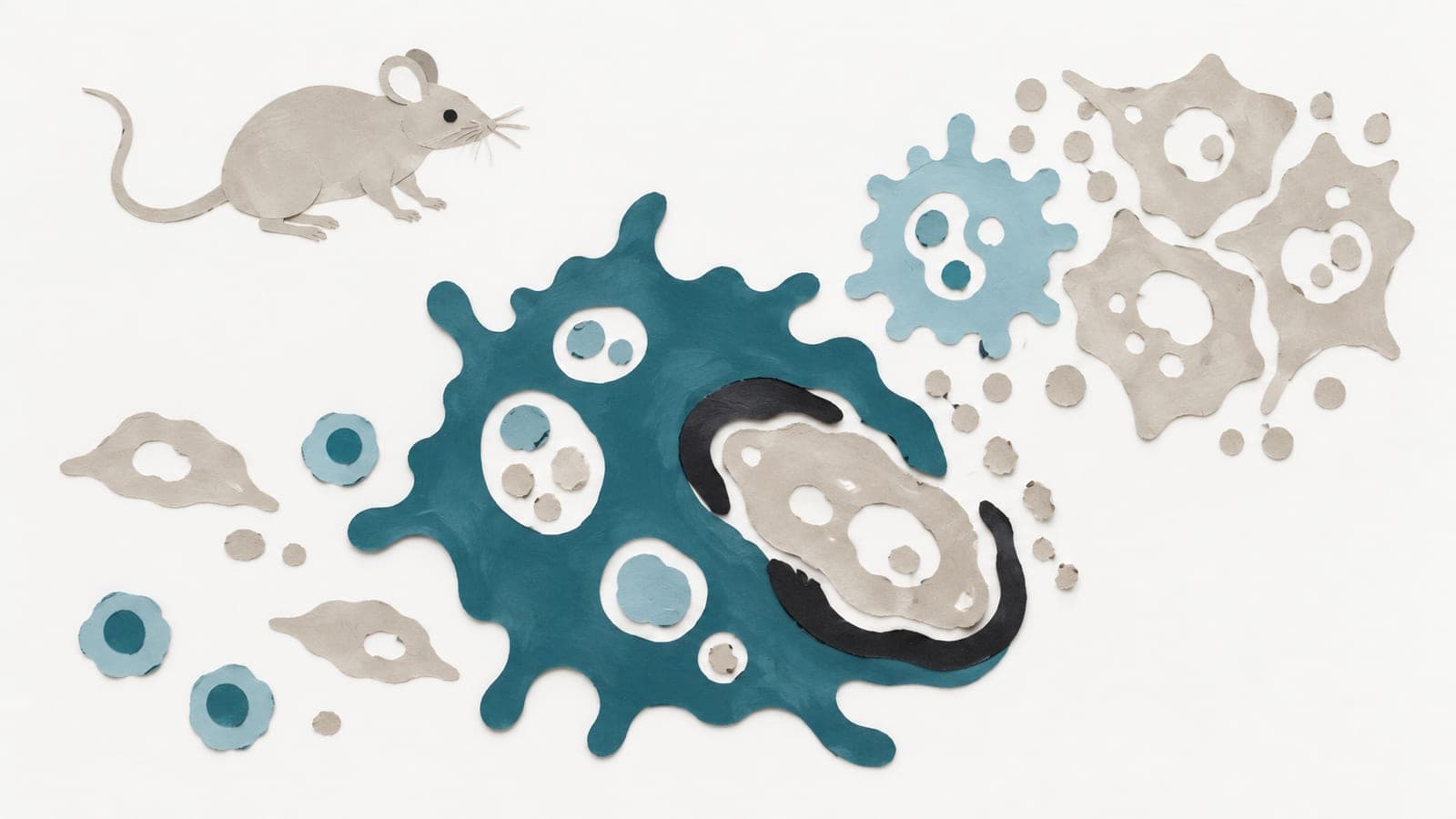
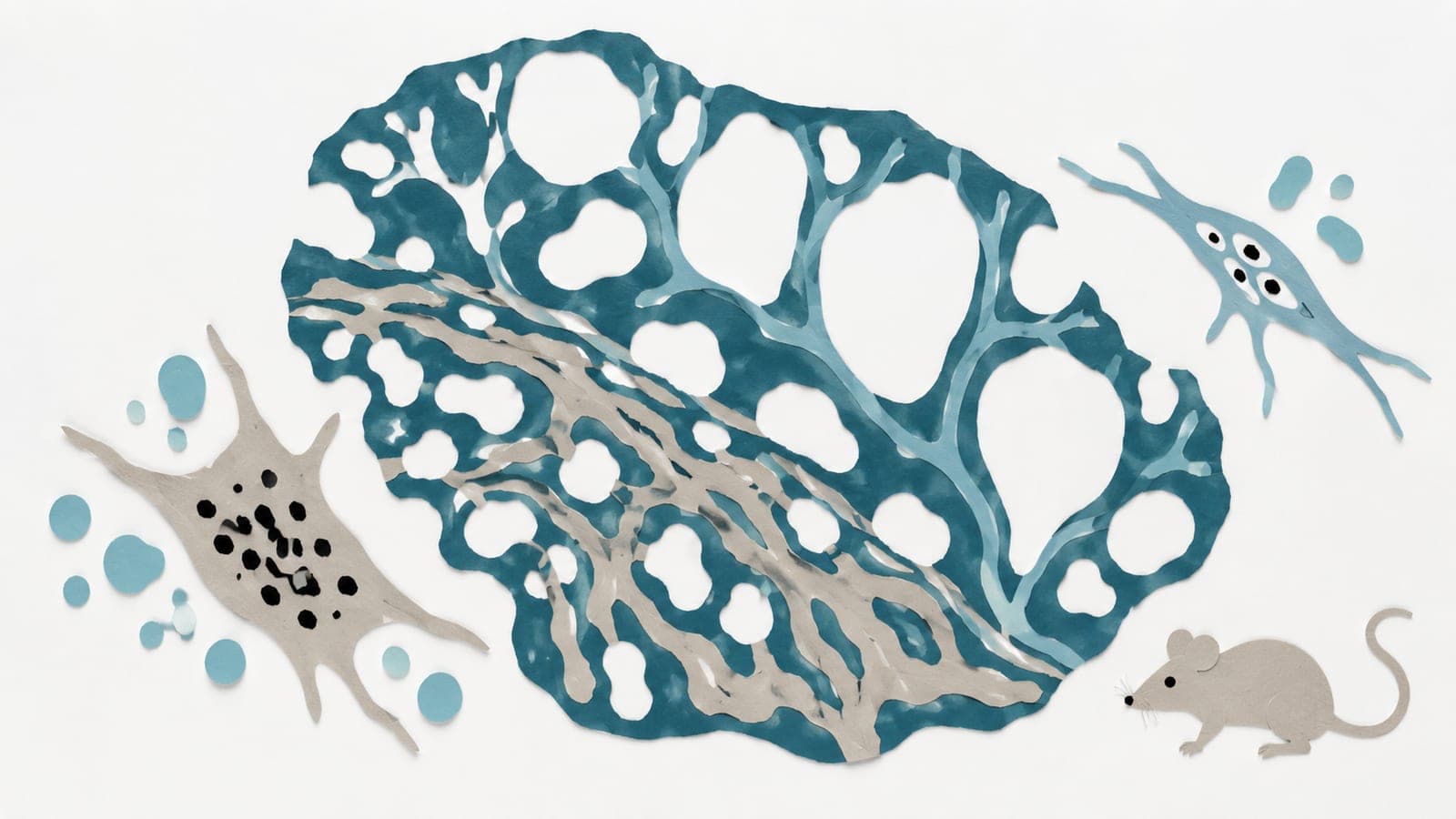
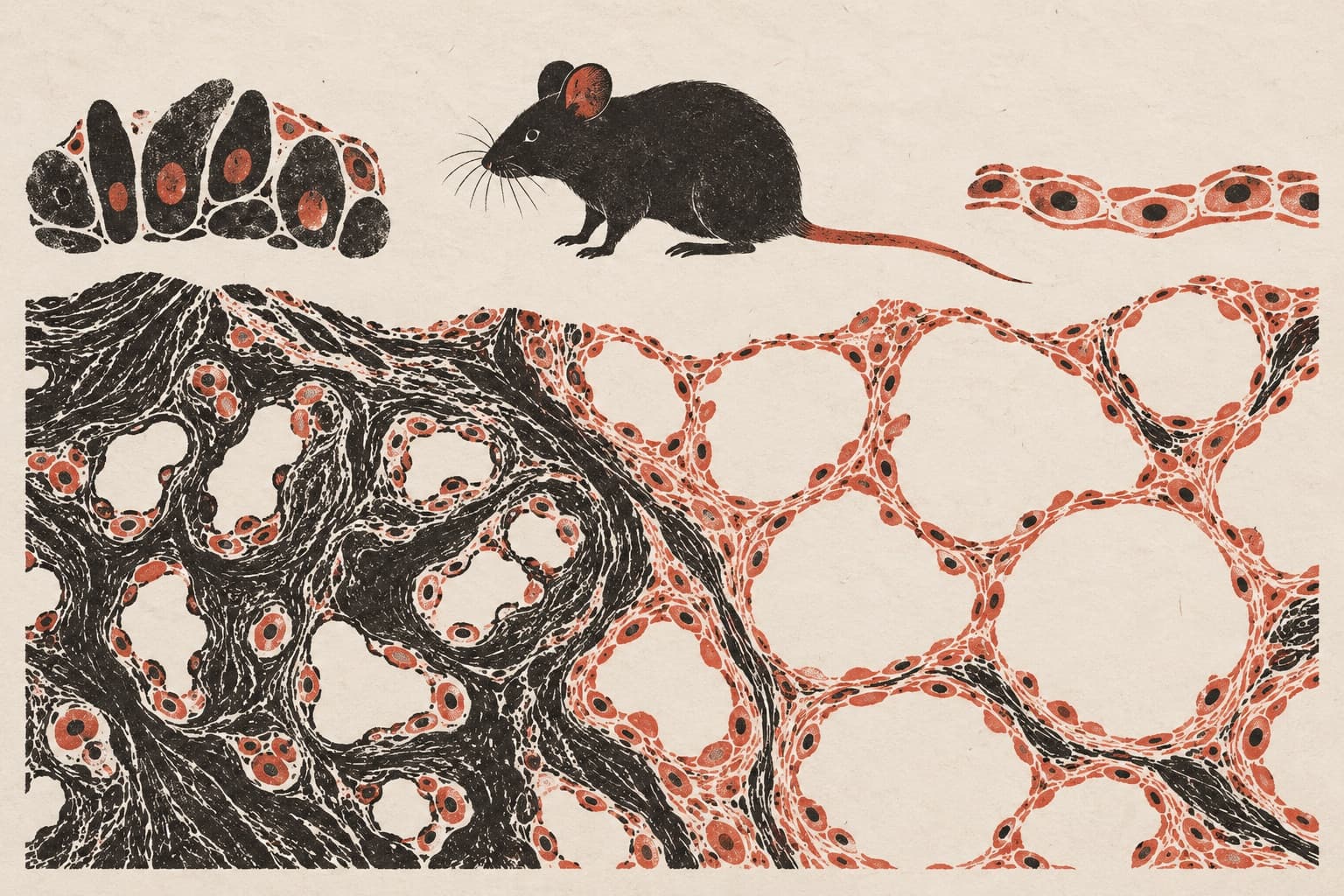
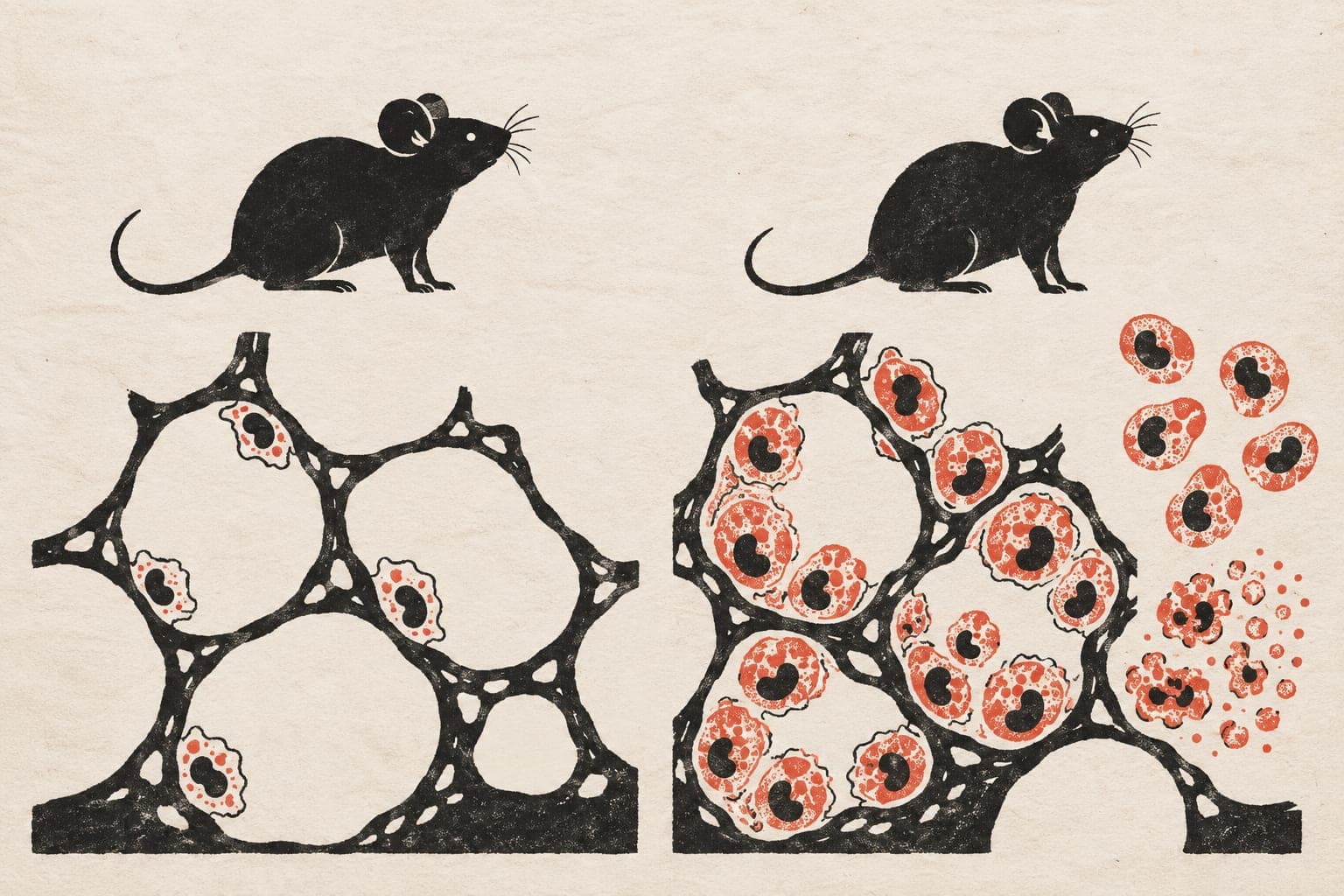
Idiopathic pulmonary fibrosis (IPF) is characterized by persistent extracellular matrix (ECM) accumulation, yet the mechanisms governing ECM clearance remain poorly understood. In this study we investigate matricytosis, a program of ECM uptake and lysosomal degradation, and its status in disease. We show that matricytosis is highly phenotype-dependent in human macrophages and fibroblasts: disease-associated macrophages have impaired ECM internalization, while myofibroblasts demonstrate increased uptake. Inhibition studies, single-cell RNA sequencing pathway analysis and spatial transcriptomics reveal distinct uptake mechanisms for each cell type and highlight macrophages as dominant uptake-proficient cells in both healthy and fibrotic lung tissue, while fibroblast matricytosis is linked to invasive programs in IPF. Using human decellularized precision‑cut lung slices, we demonstrate that fibrotic matrix affects matricytosis and modulates cell behavior. In this work, we identify matricytosis as a fibrosis-relevant mechanism shaped by cell type, phenotype, and matrix environment, pointing to a potential therapeutic axis.
The paper
Boehringer Ingelheim (Germany)
Research Square, 1 Sep 2026, Preprint, not peer-reviewed