Comparative biometric analysis in high axial anisomyopia
Abstract
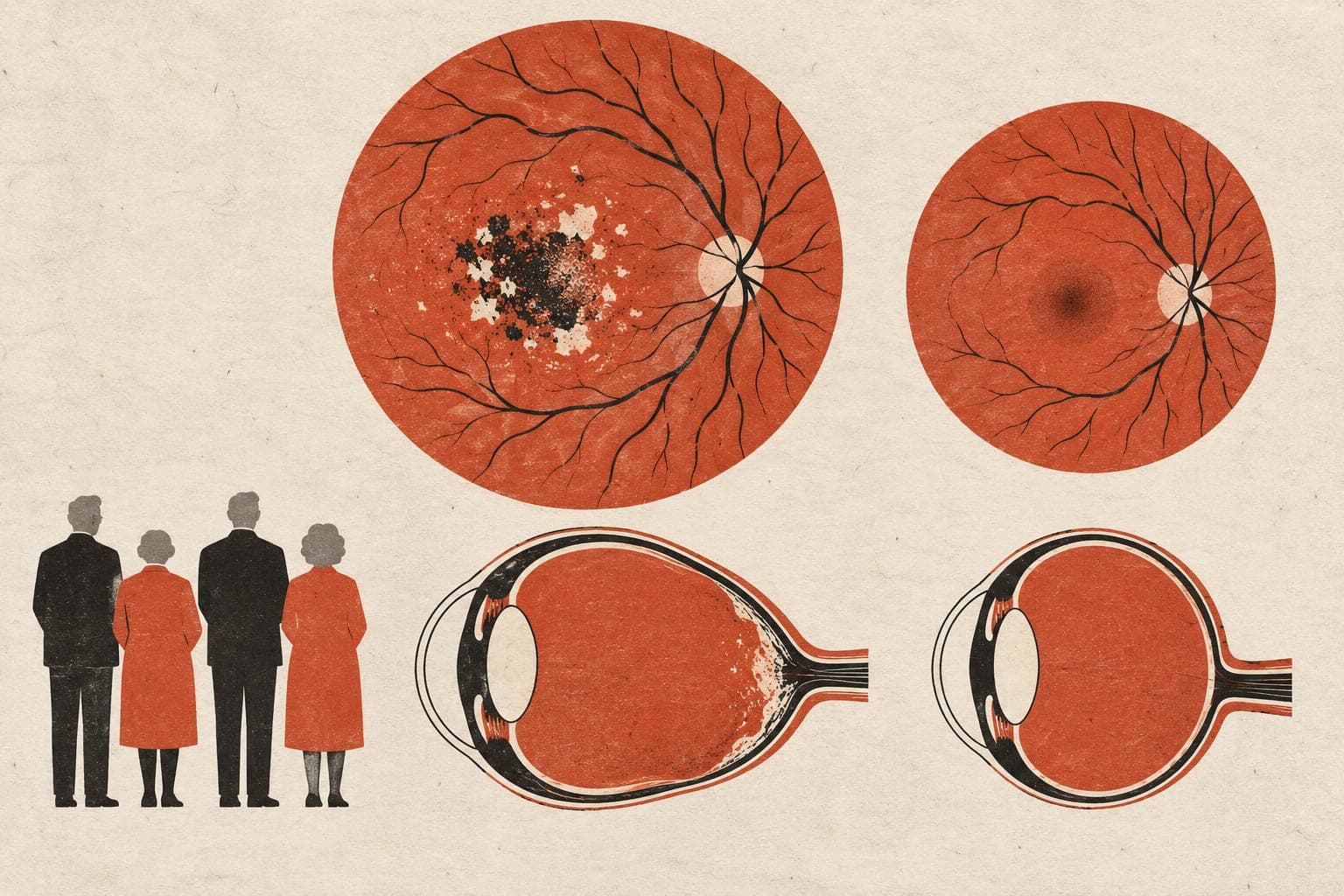
Purpose High myopia is a public health burden and is commonly associated with a longer eyeball. Mechanisms governing ocular growth are not clearly known yet. By leveraging anisomyopia as a unique natural model, this study provides insights into the biometric determinants of ocular growth. This study compares the contributions of ocular biometric components to axial length (AL) in highly myopic eyes versus low- or non-myopic eyes in individuals with high anisomyopia Design: A hospital-based case–control study Subjects: Biometric data from 181 individuals with high myopia in a single eye (axial length [AL] > 26.00 mm in the case eye and < 24.5 mm in the fellow control eye), without pathological or visual complications was acquired. Methods Detailed biometric measurements included AL, central corneal thickness (CCT), anterior chamber depth (ACD), lens thickness (LT), posterior segment length (PSL), and derived ratios (PSL:AL, ASL:AL, and PSL:ASL). Outcome measures: Correlations among these biometric components were compared between case and control eyes, and the relative contribution of each feature to AL was assessed using random forest analysis. Results PSL showed the strongest correlation with AL in both myopic (r = 0.89) and control eyes (r = 0.87). However, random forest analysis revealed a greater relative difference in the feature importance of anterior segment length (ASL) between the two groups, with a 53% lower contribution in case eyes. LT demonstrated a larger difference in its contribution to AL between case and control eyes compared with ACD. Conclusion While PSL appears to be the primary determinant of axial length, anterior segment parameters—particularly LT—exhibit distinctive contributions between the two eyes of individuals with high anisomyopia. Further longitudinal studies in paediatric cohorts during periods of active ocular elongation are recommended to provide deeper insights into ocular biometric interactions.
The paper
L V Prasad Eye Institute
Research Square, 31 Aug 2026, Open access, Preprint, not peer-reviewed