Links between age and blood DNA repeats differ by disease
An observational preprint analysed blood from 54 people carrying expanded DNA repeats, including people with amyotrophic lateral sclerosis, frontotemporal dementia or no symptoms.
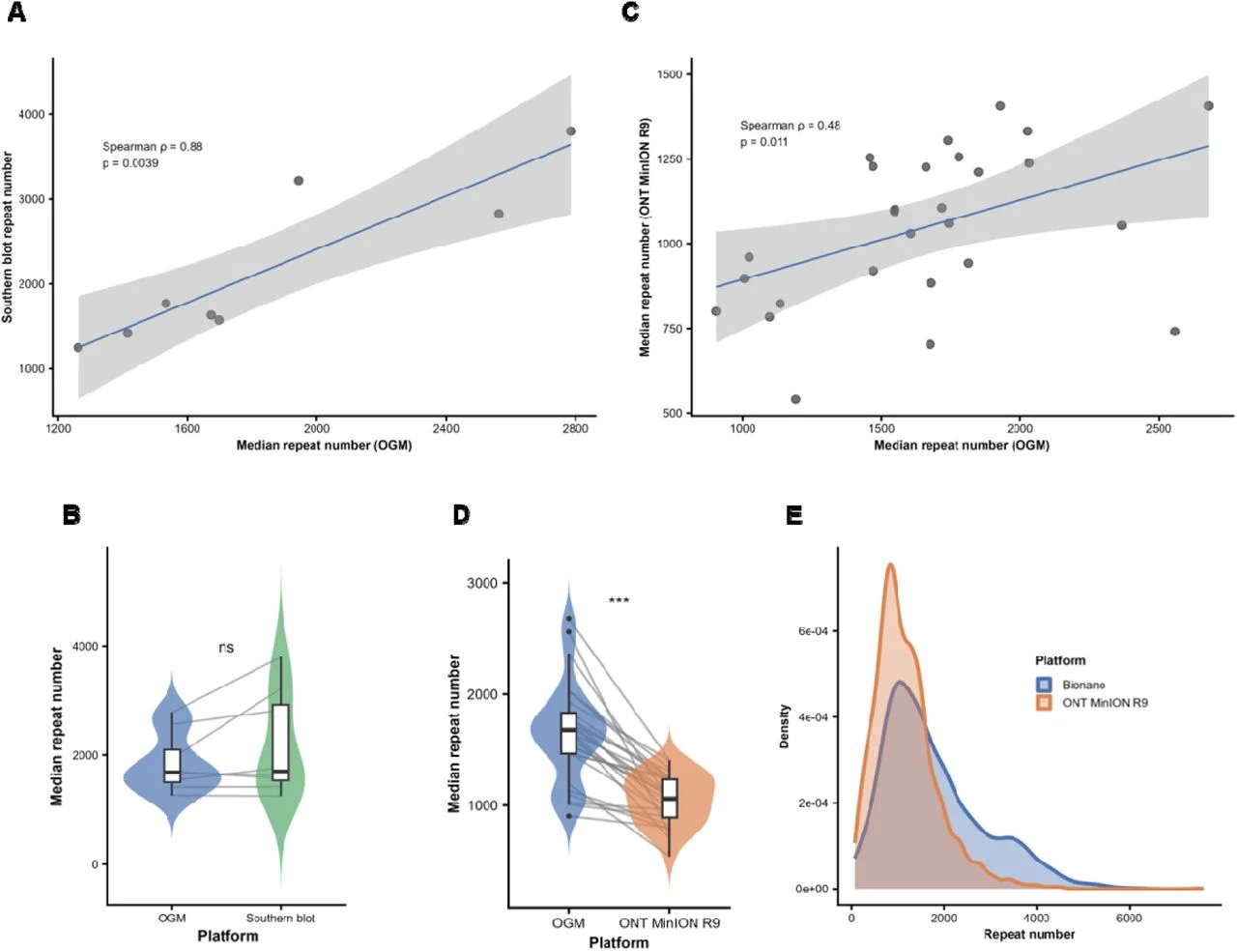
An observational study examined blood from 54 people carrying an expanded stretch of repeated DNA in C9orf72, a gene. The group included 22 people with amyotrophic lateral sclerosis, a disease that damages nerve cells controlling muscles; 23 with frontotemporal dementia, which affects behaviour and language; and nine who had not developed symptoms. Researchers used a genome-mapping method to measure the DNA repeats.
Greater variation in repeat length was linked to older age at sampling in people without symptoms and those with frontotemporal dementia. This age link was not seen in people with amyotrophic lateral sclerosis. Shorter repeats made up a larger share at older sampling ages in amyotrophic lateral sclerosis, but a smaller share in the other two groups.
Why it matters
Understanding age-related repeat patterns may help researchers investigate why carriers of the same DNA expansion develop different disorders at unpredictable ages.
Caveats
These observational associations do not establish cause and effect or changes within individuals over time. The findings concern blood, not nervous tissue, and the preprint has not been peer-reviewed.
- Human genetics
- Amyotrophic lateral sclerosis
- Frontotemporal dementia
- C9orf72 repeat instability
- C9orf72 repeat number
- Humans
The paper
Centre National de la Recherche Scientifique
medRxiv, 7 Oct 2026, Open access, Preprint, not peer-reviewed