SV40-mediated transformation and immortalization of human cells
Abstract
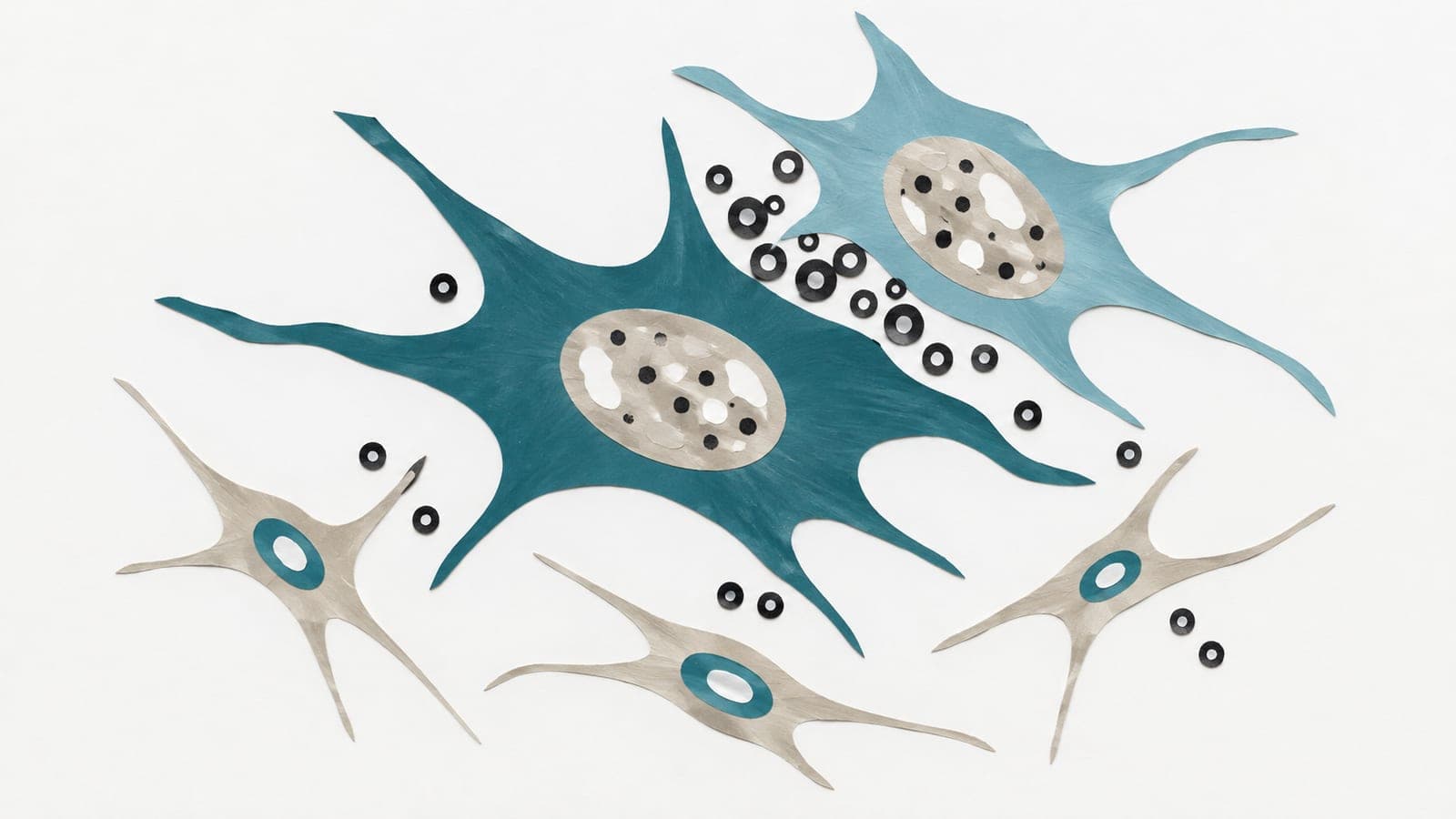
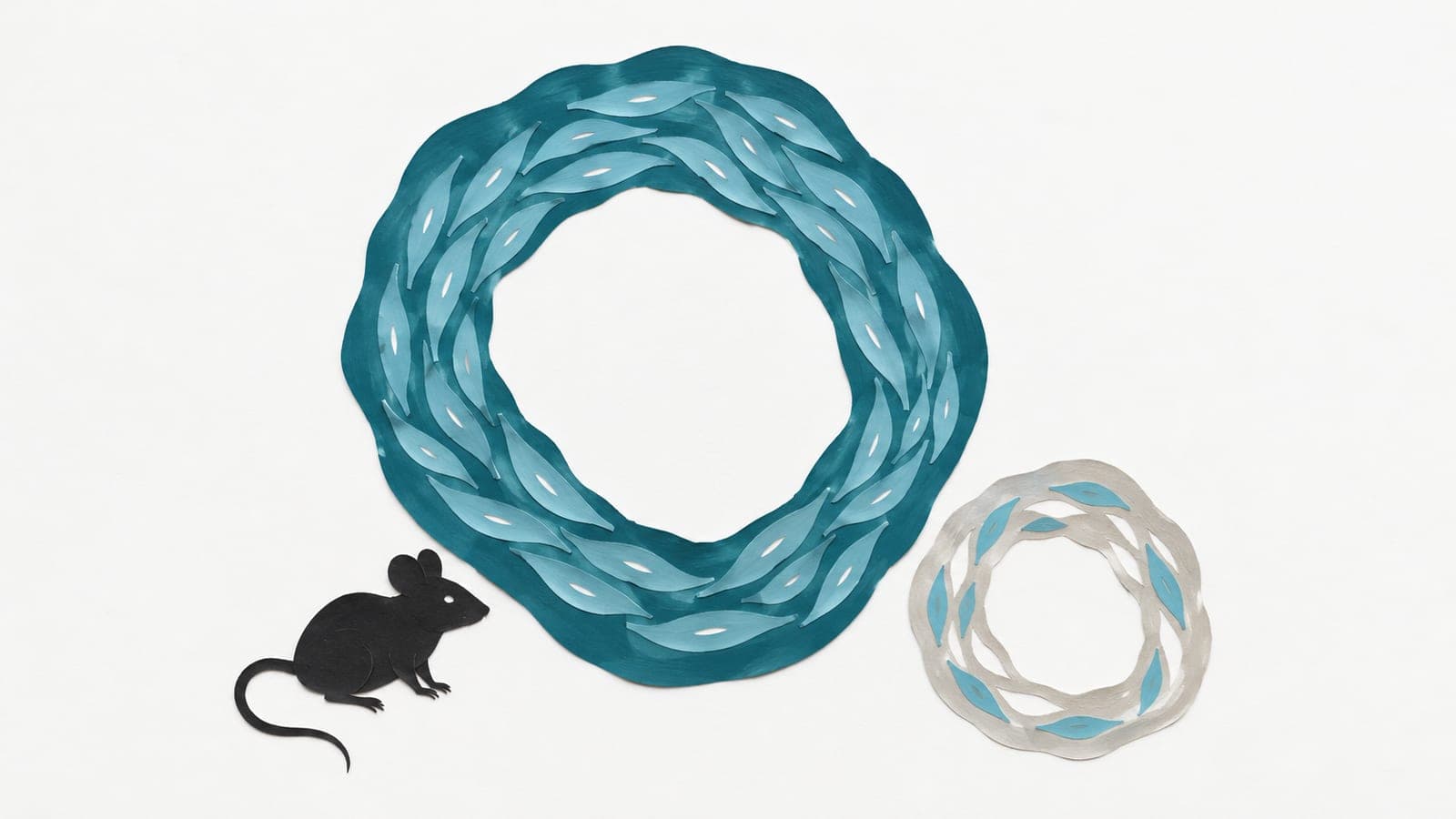
SV40 infection of human cells results in both transformation and lytic infection. We have used origin-defective viral mutants which are unable to replicate in permissive cells to help analysis of transformation. Expression of large T antigen (T ag) and small t antigen results in the altered growth phenotypes characteristic of transformation in other species. Human diploid fibroblasts (HF) have a limited lifespan and undergo senescence; T ag results in extension of lifespan but only in rare cases are the cells capable of continuous growth and are immortal. We have developed matched sets of non-immortal and immortal transformed HF for assessment of the steps required for immortalization. Results are summarized to characterize both T-dependent and T-independent functions. A novel growth suppressor gene SEN6 has been identified, the inactivation of which is required for immortalization; it may also serve as a marker to distinguish cells in which SV40 is replicating from those in which it is responsible for tumorigenesis.
The paper
Rutgers New Jersey Medical School
Developments in Biological Standardization, 1 Jan 1998