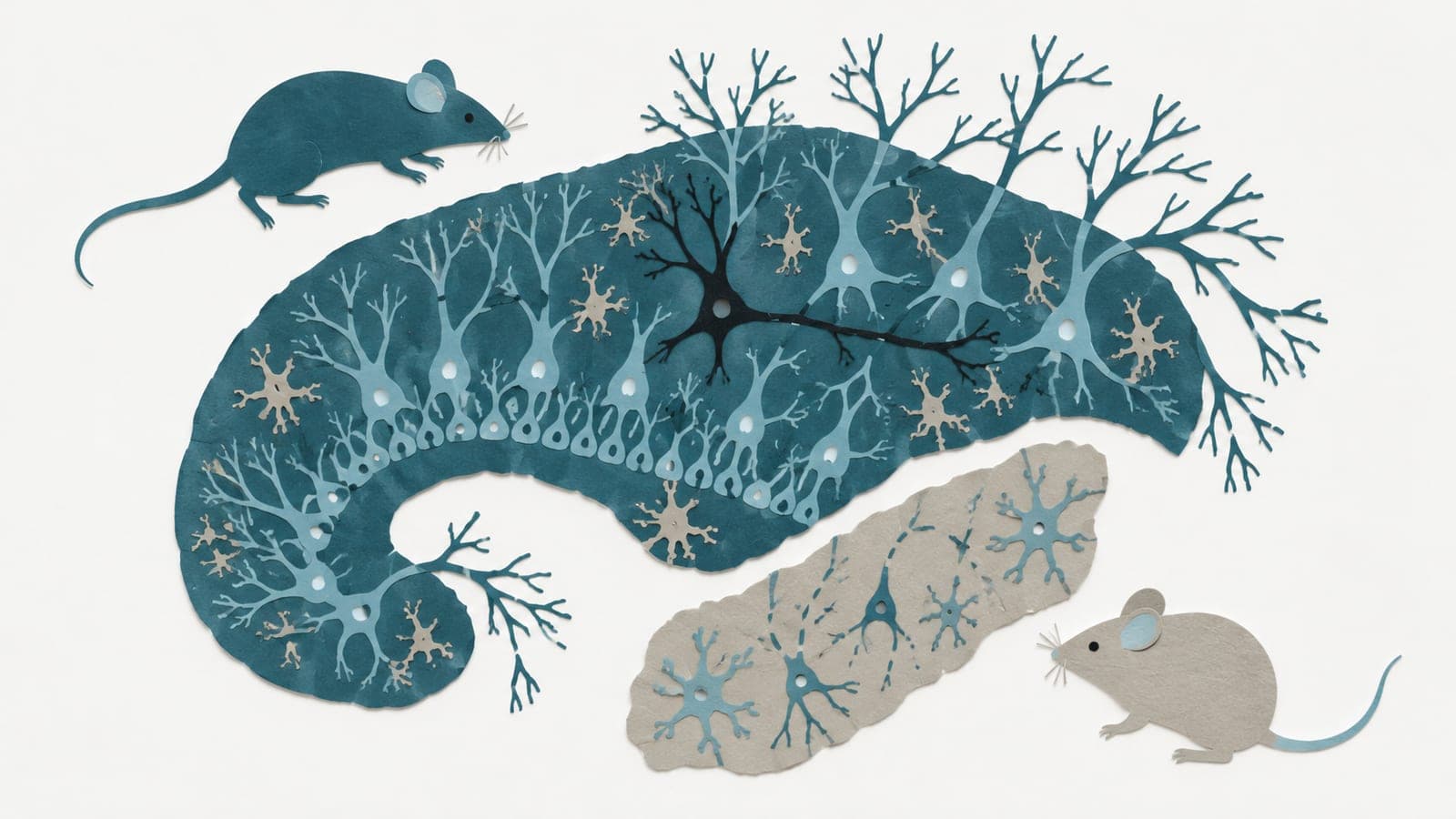
Reactivity to novelty during youth as a predictive factor of cognitive impairment in the elderly: a longitudinal study in rats
Abstract
A life-span study of certain behavioral traits was conducted in rats. Animals were repeatedly tested in a circular corridor for reactivity to novelty and in a recognition memory task for cognitive abilities. These measures revealed important inter-individual differences in young as well as in old subjects. Some of these differences appear with aging (memory deficits) and others disappear (high reactivity to novelty). Moreover, a relationship between high reactivity to novelty in youth and deficits in memory recognition in elderly was found. Rats that are high-responders to novelty had age-related memory impairments whereas the low-responder rats did not. While the biological mechanism linking these two behavioral traits remains to be demonstrated, this study shows that age-related impairments can be predicted by factors detectable early in life.