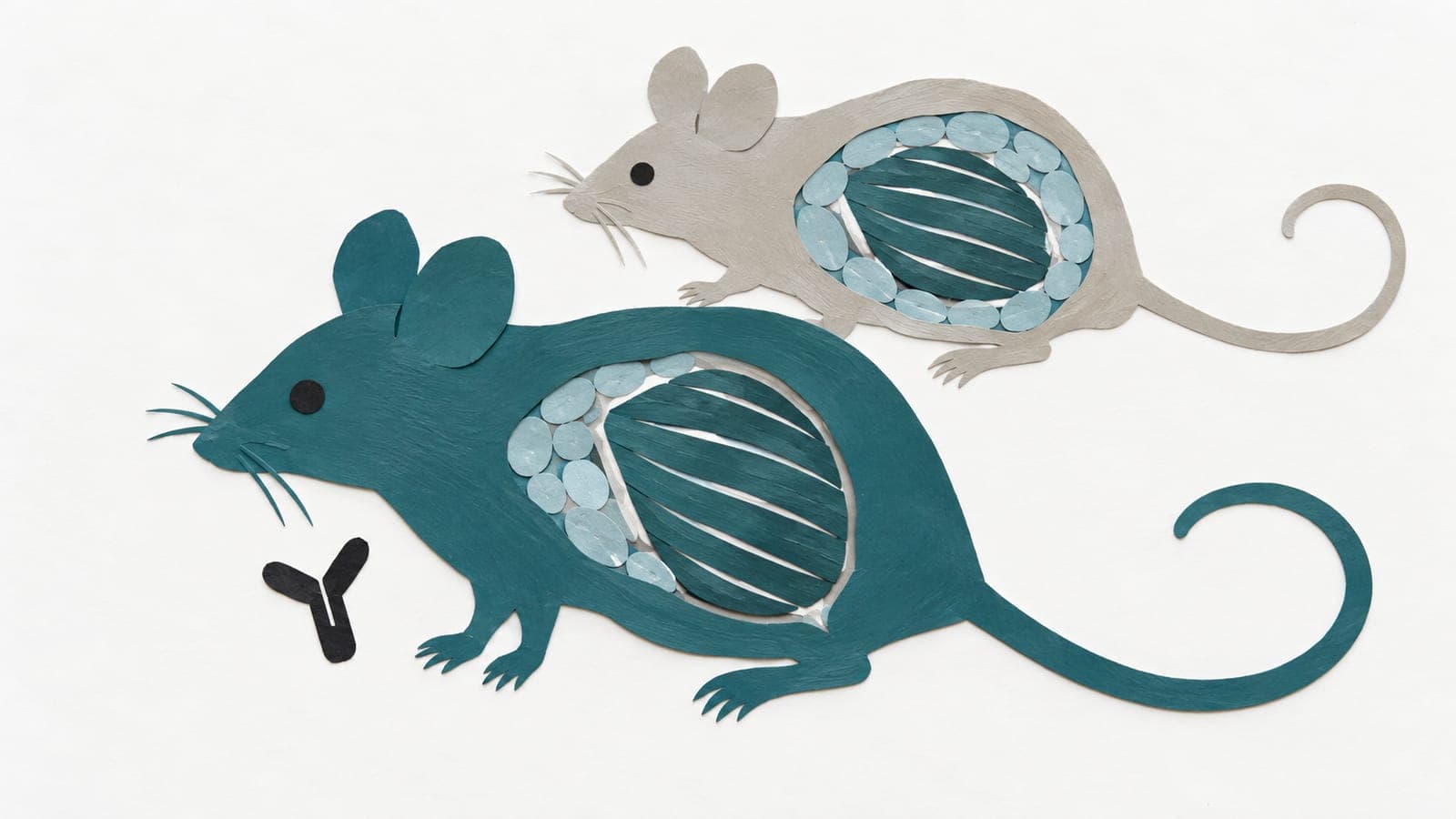
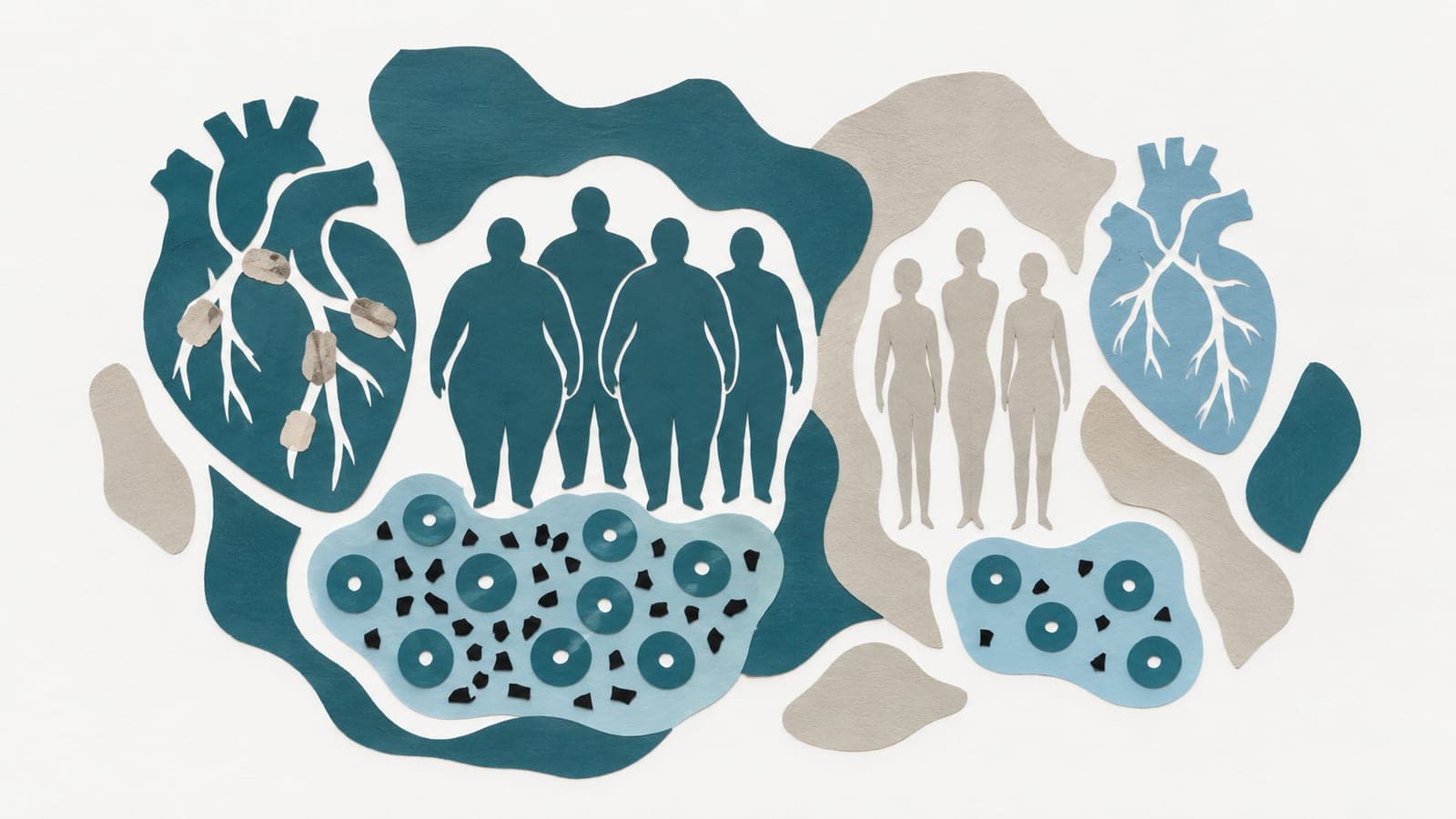
Cushingoid pathophysiology of old, massively obese, spontaneously hypertensive rats (SHR)
15 months
Abstract
Male and female, massively obese and nonobese, spontaneously hypertensive rat (SHR) which are hypersensitive to stress were kept under quiescent conditions; they were autopsied at 15 months of age. The blood pressure of the Obese/SHR plateaued at 166 mmHg versus 198 mmHg for the nonobese/SHR. The once massive thymi vanished in the Obese/SHR accompanied by greatly enlarged adrenal glands, pituitary basophilia, greatly elevated levels of adrenocorticotrophin, corticosterone, deoxycorticosterone, aldosterone, fatty liver, hyperlipidemia, and hyperglycemia. The Obese/SHR were hyperadrenocorticoid compared with their nonobese siblings and manifested a Cushingoid spectrum of degenerative changes (e.g., thin skin, hypertension, diabetes, kidney stones, and accelerated aging). The provision of a nonstressful environment is believed to have dampened the usual chronic hyperadrenocorticism and prolonged the lifespan of the Obese/SHR.
The paper
Journal of Gerontology, 1 Mar 1983