More years of obesity linked to heart stress and injury markers
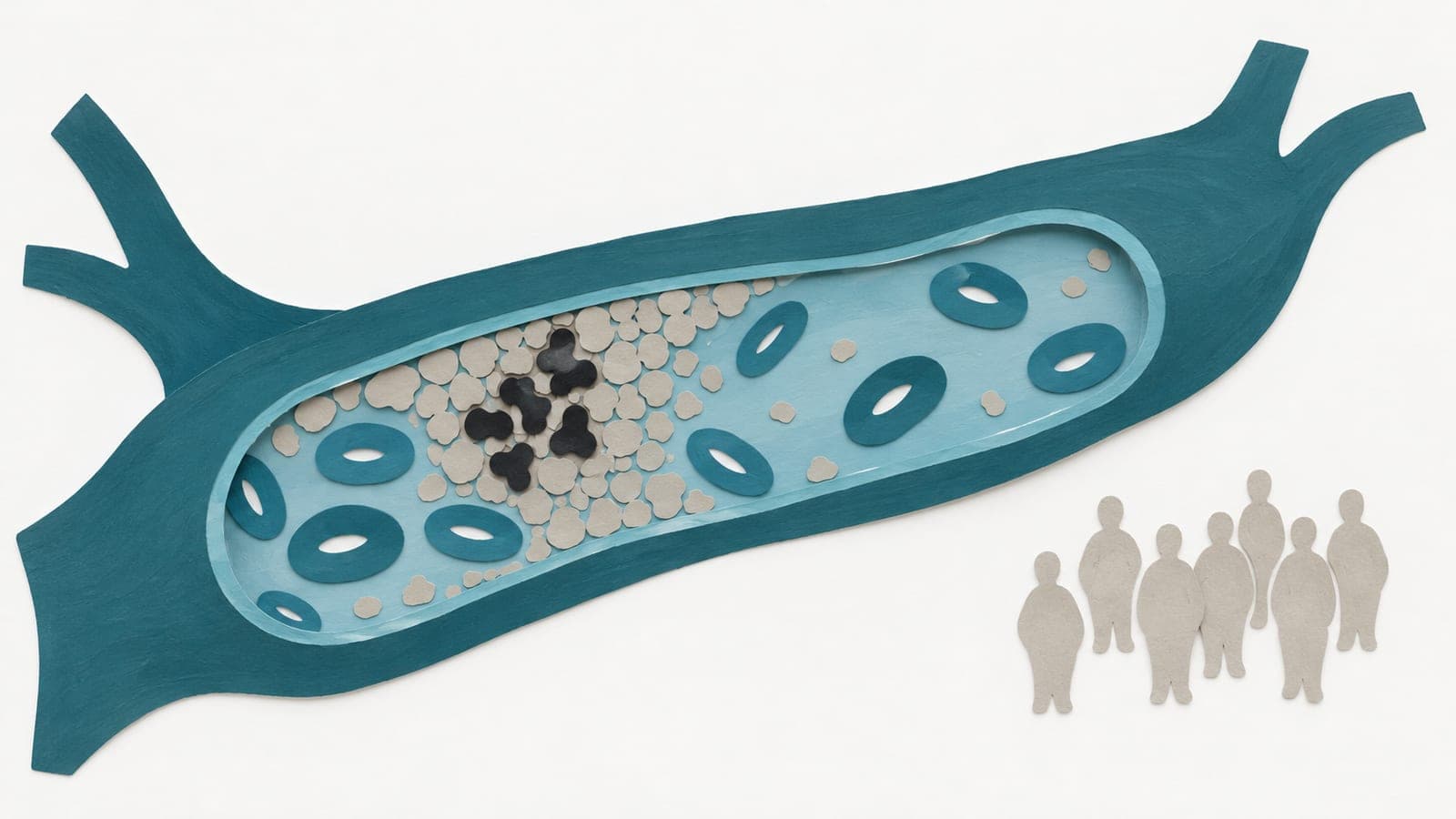
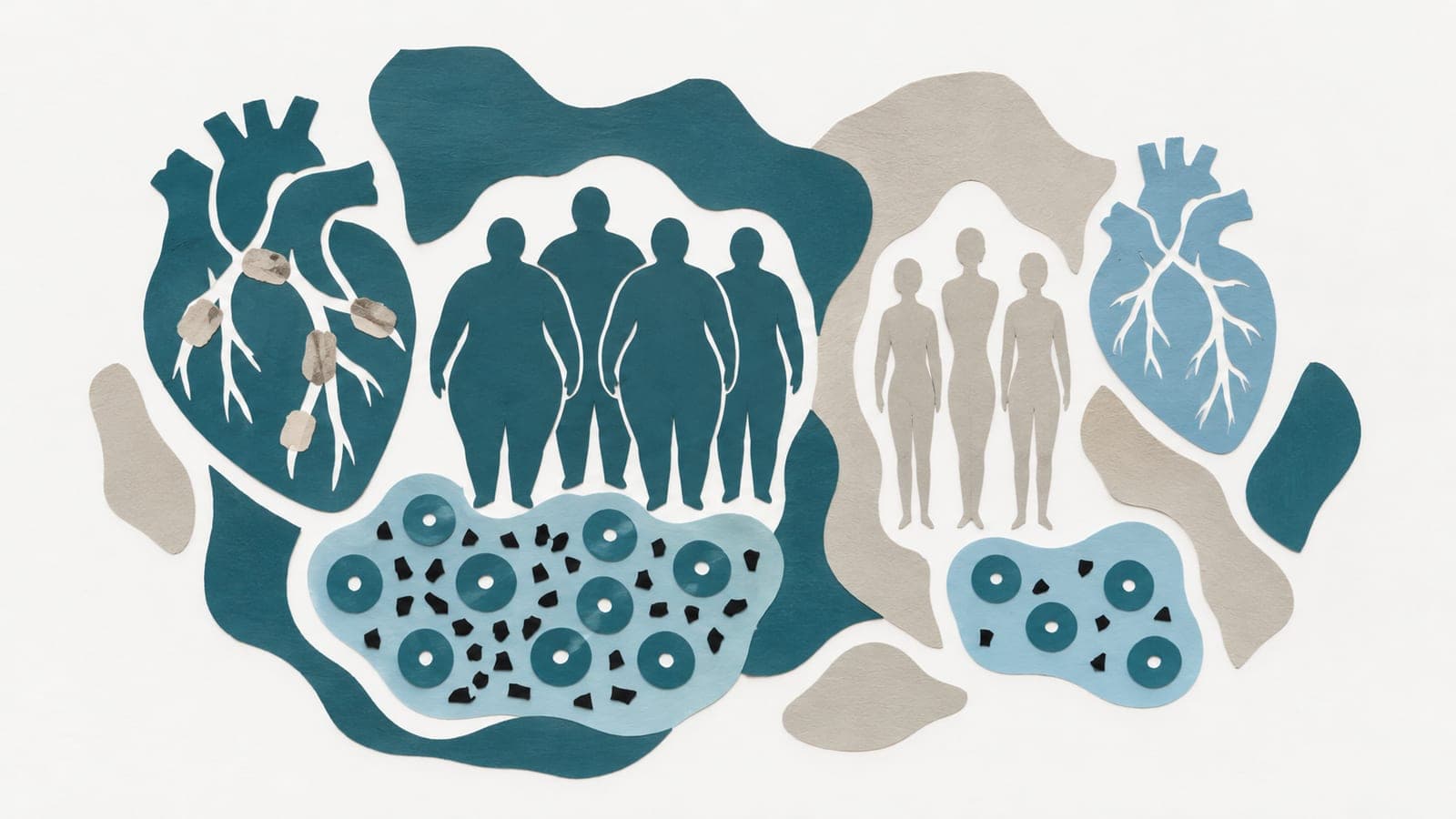
Each additional year of obesity was associated with 0.41% higher levels of a heart injury marker at age 62.
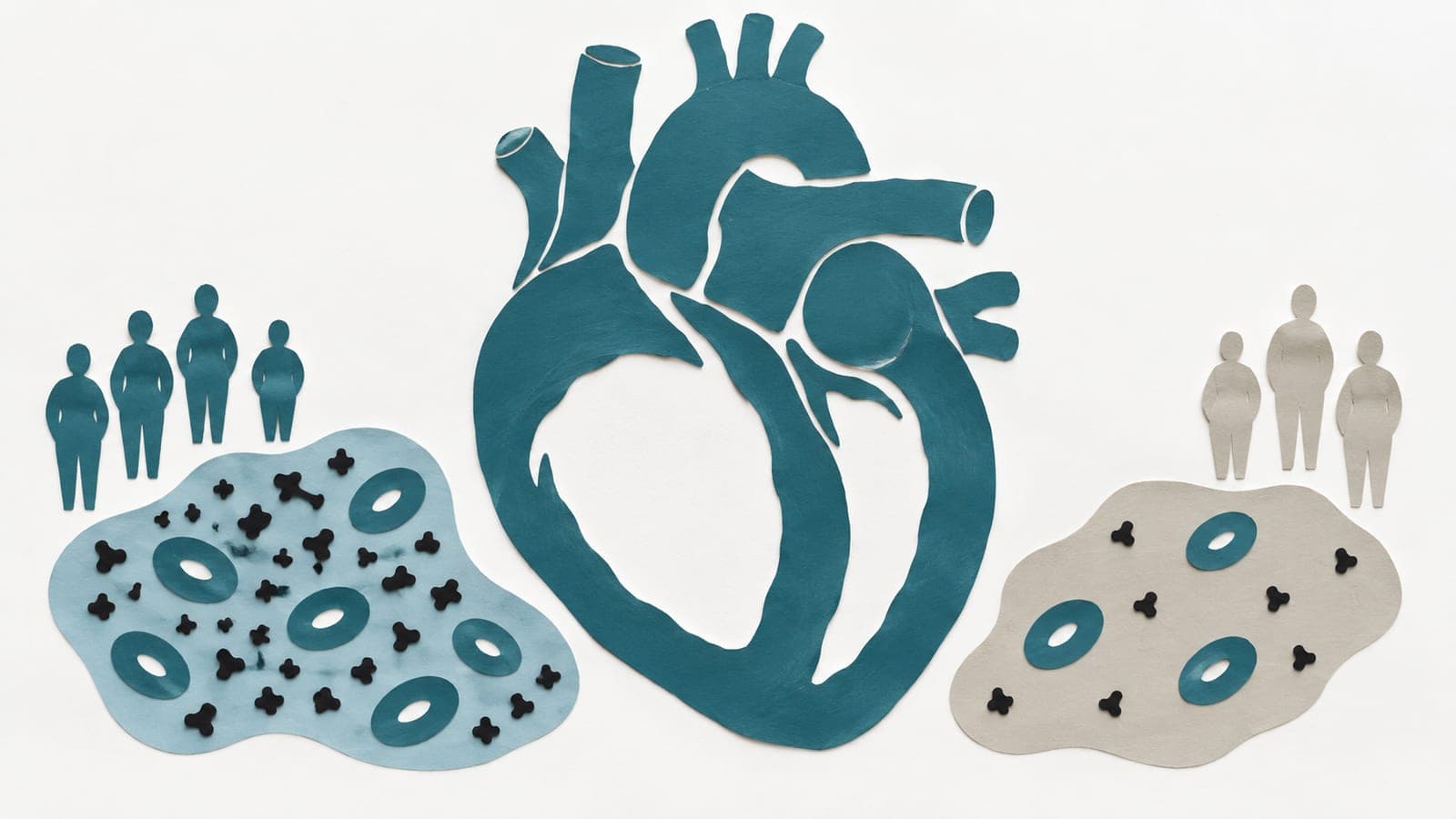
In an observational cohort study, researchers analysed 4,901 participants in the 1958 National Child Development Study who had blood markers measured at age 62. They used at least four measurements of body mass index, a measure of weight relative to height, from ages 7 to 62 to estimate obesity duration.
Longer duration was associated with higher levels of markers of heart muscle stress, heart muscle injury and cellular stress, after accounting for other factors. The link with the injury marker was approximately linear: levels were higher with each additional year of obesity. The other two markers remained relatively stable up to about 25 years of obesity. Beyond 25 years, each additional year was associated with 1.80% higher levels of the heart stress marker and 0.81% higher levels of the cellular stress marker.
Why it matters
For assessing heart and blood vessel disease risk in older age, the authors suggested considering obesity duration alongside current obesity status.
Caveats
This observational study cannot show that longer obesity caused the marker differences or that participants developed heart disease. The paper is a preprint and has not been peer-reviewed.
- Obesity
- Obesity duration
- Mean excess BMI
- Growth differentiation factor 15
- High-sensitivity cardiac troponin I
- Humans
The paper
Loughborough University; University College London
medRxiv, 11 Oct 2026, CC BY-ND, Preprint, not peer-reviewed