Engineered bacterial particles reduced bone loss in older mice
Weekly injections for one month improved bone structure in 18-month-old male mice with age-related bone loss.
Our read
Interventions- Studied:
- Experiments in mice (Randomized)
Editor of record: Boris Djordjevic · AgingResearch.News
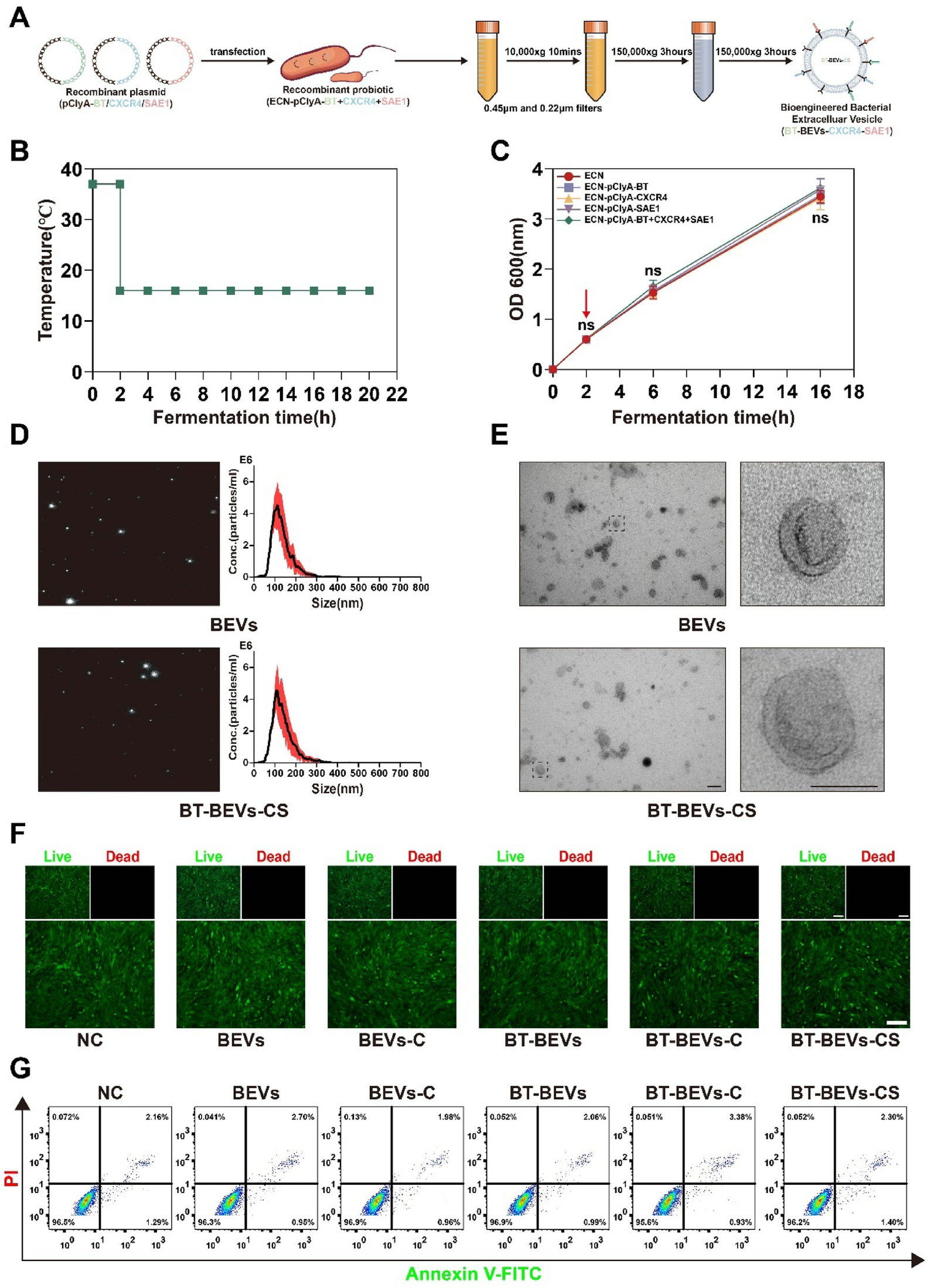
Eighteen-month-old male C57BL/6 mice with age-related bone loss received weekly injections in an experiment testing engineered bacterial vesicles—tiny sacs released by bacteria. The researchers randomly assigned the older mice to saline, unmodified vesicles or two engineered versions. The vesicle groups received 5 milligrams per kilogram once weekly for one month.
The most extensively engineered vesicles carried two targeting components and an enzyme intended to support bone formation. They reduced bone loss and produced the strongest improvements in bone structure among the tested vesicles. Experiments in bone marrow stem cells grown in the lab suggested that the delivered enzyme supported molecular changes that enhanced sugar breakdown. The authors proposed that this supplied energy to help these stem cells develop into bone-forming cells.
Why it matters
Age-related osteoporosis makes bone formation a potential target for intervention. The authors presented this targeted delivery approach as a preclinical proof of concept.
Caveats
The bone-loss experiment assessed outcomes after one month, leaving the durability of the effects unresolved. It used male mice from one strain, not people with osteoporosis.
Where the evidence stands
Bt
- 4 independent labs in 4 countries
- Funders: National Natural Science Foundation of China and 7 more
Clathrin-mediated endocytosis
- 30 independent labs in 10 countries
- 1 finding against
- Funders: National Institutes of Health and others
- 2 of 38 findings with company ties
From the paper
- Limitation
The upstream mechanisms underlying SAE1 downregulation in SOP pathogenesis, such as aging-associated oxidative stress or epigenetic alterations, remain to be fully understood.
Quoted word for word from the full text on link.springer.com.
- Bt
- Dual-targeted bioengineered bacterial extracellular vesicles
- Clathrin-mediated endocytosis
- Epigenetic regulation of gene expression
- Senile osteoporosis
- Mice
The paper
Shandong University
Journal of Nanobiotechnology, Aug 7, 2026, Open access

Comments
Be the first to comment.