Egg-cell protein is needed to keep chromosomes together in mice
Experiments with mice lacking the protein showed that it was required to maintain chromosome connections until egg cells finished maturing.
Limit: Investigators knew group assignments during chromosome outcome assessment
Edited by Boris Djordjevic · AgingResearch.News
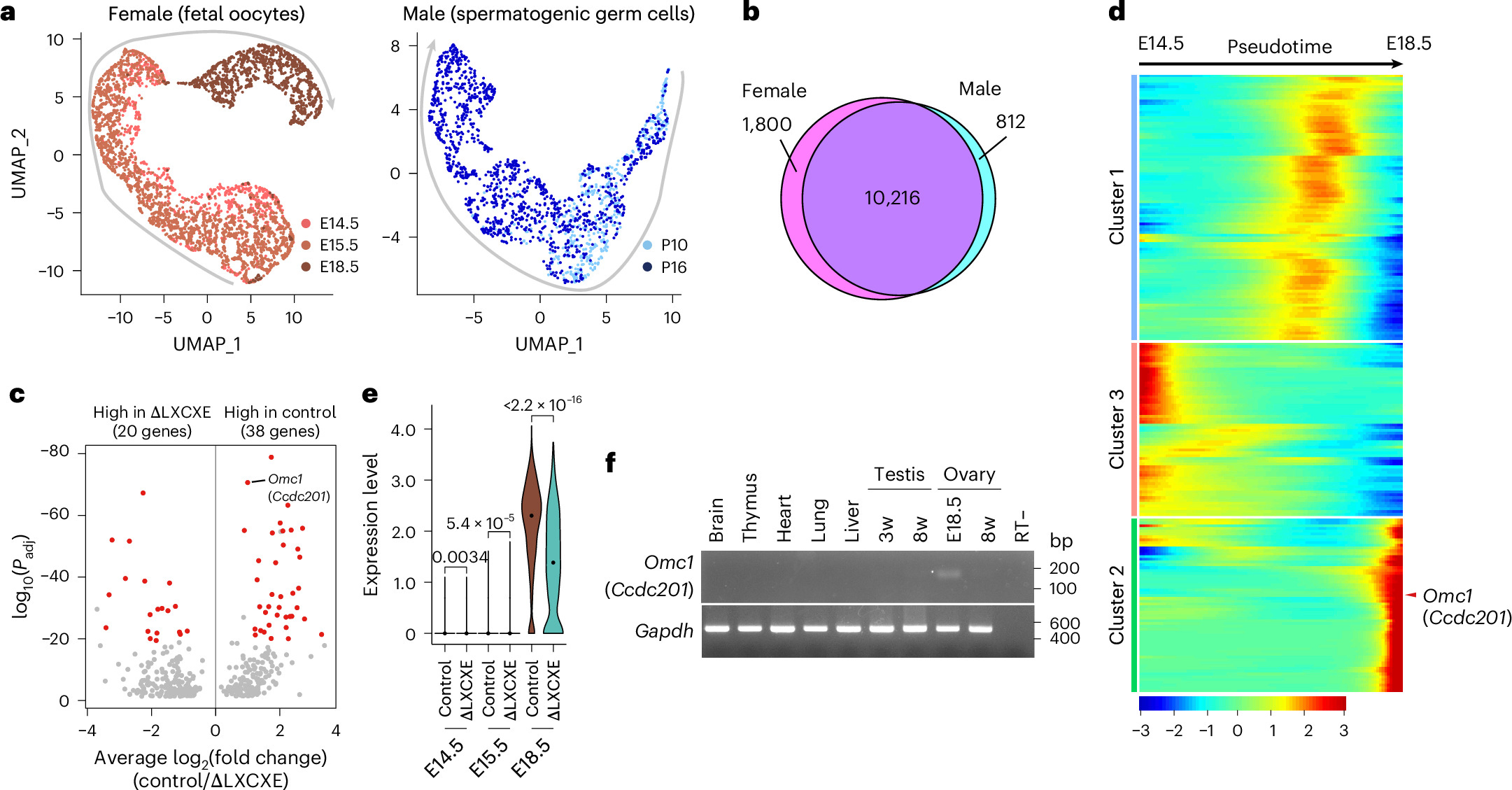
In mice, researchers identified OMC1, a protein specific to egg cells, as necessary for keeping chromosomes—the structures that carry DNA—held together through reproductive life. They tested its role in experiments with mice lacking the gene for OMC1.
Mammalian egg cells begin a specialized form of cell division before birth, then pause until maturation in adulthood. During this pause, the protein complex holding chromosomes together cannot be renewed and gradually deteriorates. The team found that OMC1 was required to maintain this complex until egg cells completed maturation. This helped suppress age-associated errors when chromosomes separated.
Why it matters
Age-related loss of chromosome connections can leave eggs with an abnormal number of chromosomes, a major cause of infertility and congenital disorders. The work addresses how egg cells maintain these connections throughout reproductive life.
Caveats
These gene-deletion experiments in mice do not establish whether OMC1 has the same role in human egg cells.


