Weaker chromosome anchors linked to errors in mouse egg cells
Laboratory experiments found lower levels of two proteins at chromosome attachment sites in older mouse egg cells, alongside changes in the fibers that move chromosomes.
Limit: Reduced satellite DNA signals could reflect chromatin masking rather than actual DNA loss
Experiments in mouse oocytes, immature egg cells, linked age-related chromosome-sorting errors to weaker centromeres, the chromosome regions where the cell’s division machinery attaches. Researchers examined cell structures and experimentally altered centromere proteins.
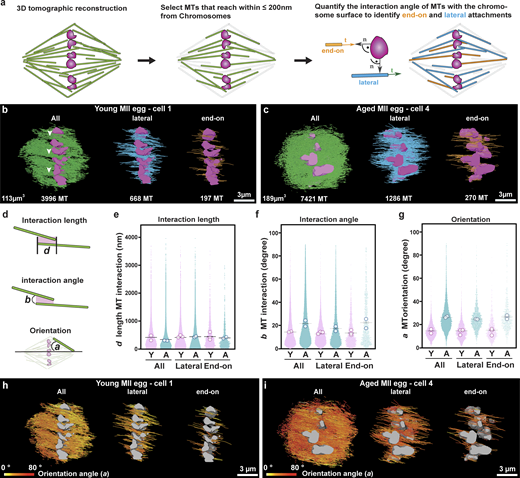
Oocytes from aged mice had lower levels of CENP-A and CENP-C, two key centromere proteins. Fibers that move chromosomes tended to be misoriented and make shorter contacts, while their number and density remained largely unchanged. Rapidly breaking down CENP-A during the first of the two divisions that produce eggs caused chromosome-sorting errors in young oocytes. Adding CENP-C corrected these defects and partly improved chromosome alignment in oocytes from older mice. The findings implicated weakened centromeres, alongside disorganized chromosome-moving fibers, in the age-related decline in accurate chromosome sorting.
Why it matters
The work addresses why egg cells become more prone to carrying the wrong number of chromosomes as maternal age increases.
Caveats
These laboratory experiments tested mouse oocytes, not human eggs. In older cells, the reported improvement was partial and concerned chromosome alignment.
The paper
Declining centromere strength compromises meiotic chromosome segregation in aging oocytes
Yale University
The Journal of Cell Biology, Oct 19, 2026


