Muscle enzyme buildup linked to type 2 diabetes in people
A randomized trial in people with type 2 diabetes found that exercise reduced buildup of the enzyme and improved the body’s response to insulin.
Randomized trial, registered NCT02977442
Limit: Insulin resistance could cause Miro1 buildup, rather than the buildup preceding diabetes
Edited by Boris Djordjevic · AgingResearch.News
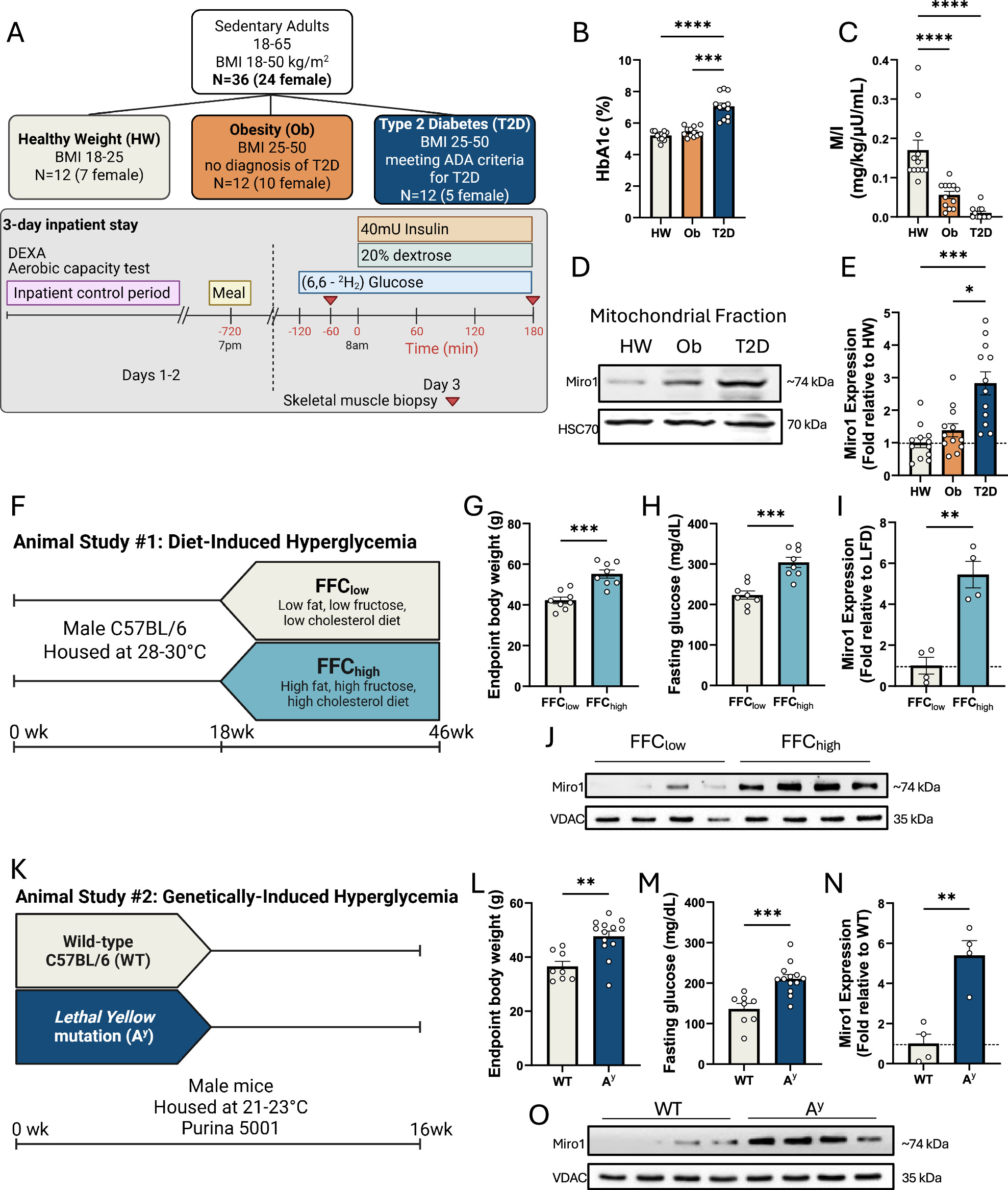
In a cross-sectional study, researchers found a buildup of Miro1 in skeletal muscle from people with obesity and type 2 diabetes. Miro1 is an enzyme on the outer surface of mitochondria, structures that help cells produce energy. Researchers also found this buildup in mouse models of type 2 diabetes.
In a randomized controlled trial, exercise training reduced muscle Miro1 buildup and improved insulin sensitivity in people with type 2 diabetes. Insulin sensitivity describes how well the body responds to insulin, a hormone that regulates blood sugar. In experiments in mice and cells, deleting Miro1 improved insulin sensitivity and the capacity to use oxygen to produce energy.
Why it matters
The work explores how muscle mitochondria contribute to type 2 diabetes, an age-related disease. It supports a regulatory role for Miro1 in the disease’s biology.
Caveats
The cross-sectional study cannot establish whether Miro1 buildup caused diabetes. The abstract gives no trial size, exercise schedule, duration or harms; the deletion experiments were in mice and cells, not people.
The paper
Miro1 mediates skeletal muscle insulin resistance in type 2 diabetes
Pennington Biomedical Research Center
Nature Communications, Oct 19, 2026, Open access


