Age-linked gene activity changes varied across mouse brain regions
An analysis of 108,062 cell nuclei from adult and aged mice found greater age-linked gene activity changes in the basal forebrain than the midbrain and brainstem.
108,062 nuclei
Limit: The analysis measured gene activity, not nerve-cell function
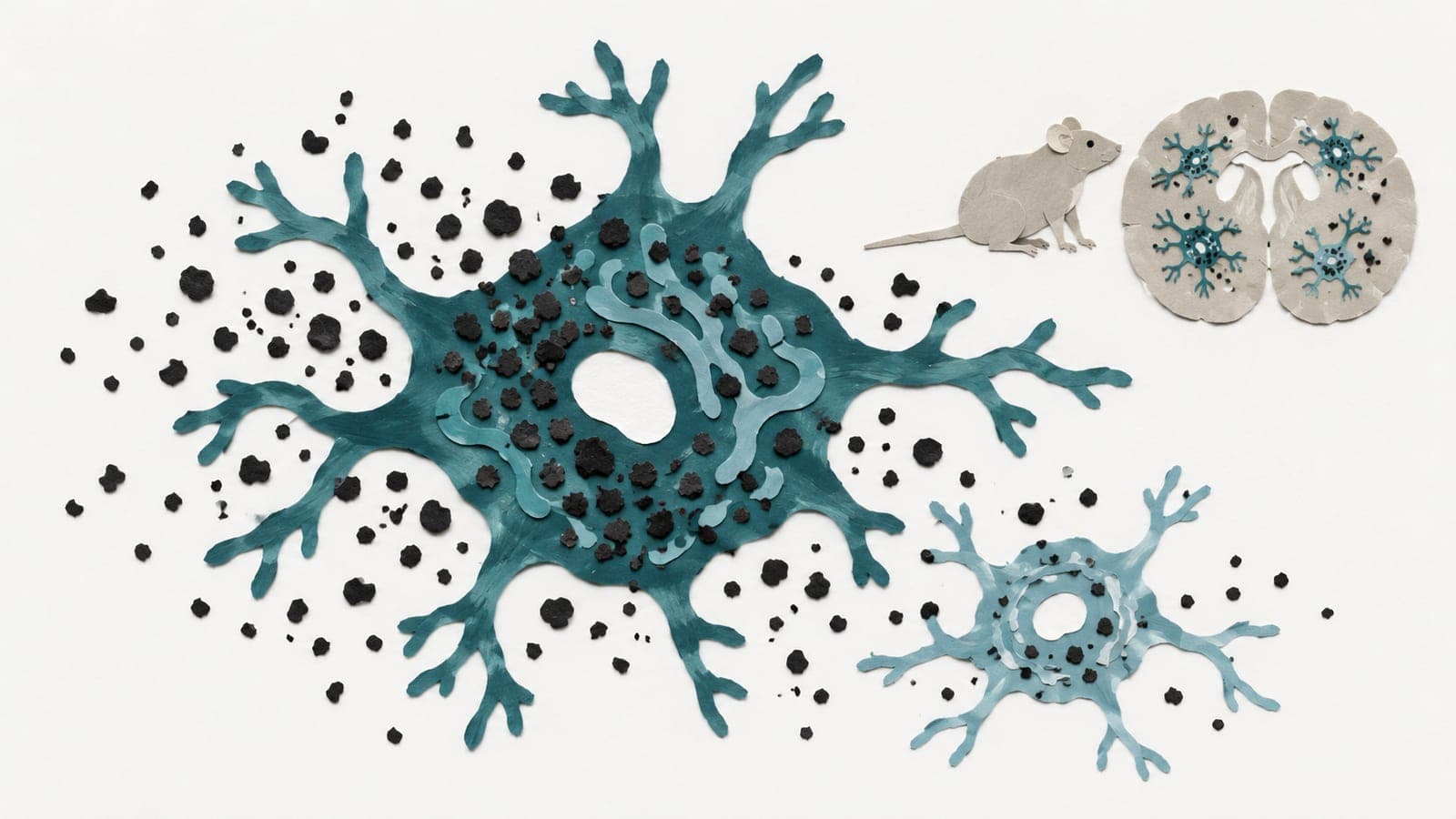
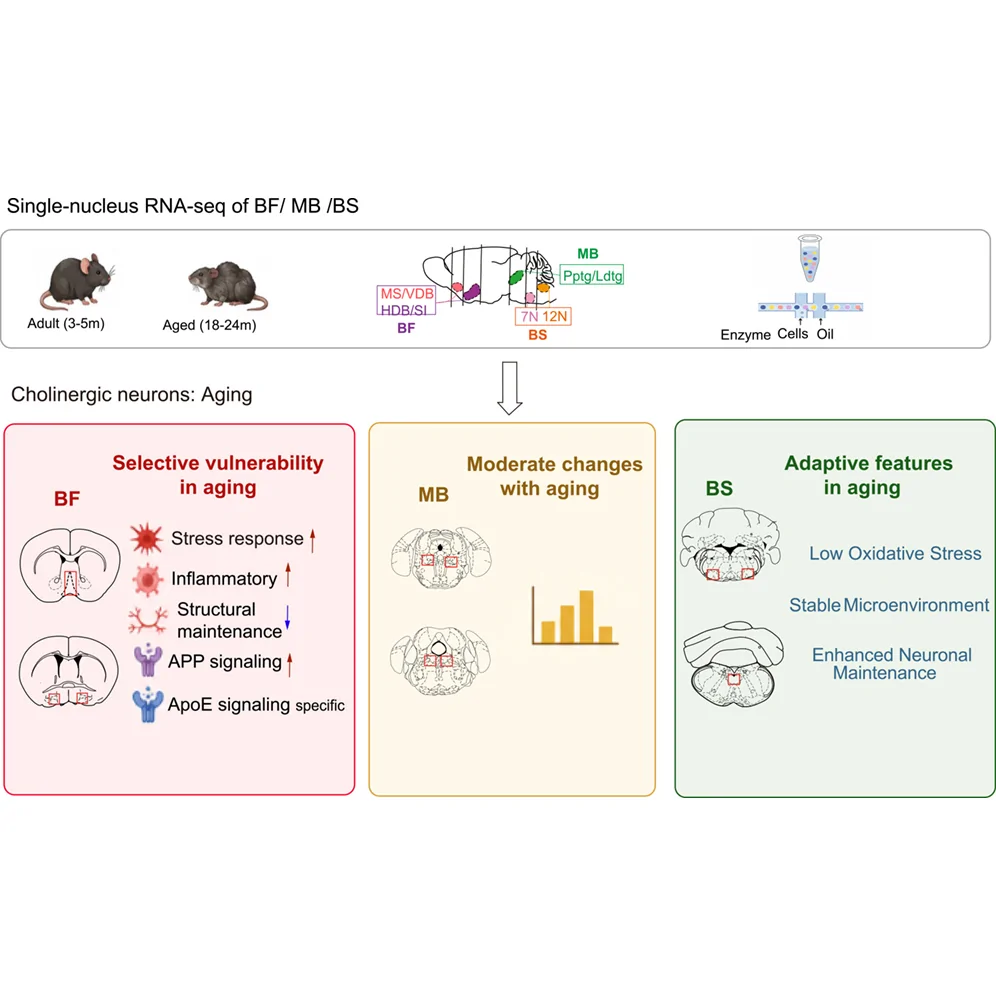
In adult and aged mice, researchers ran an experiment measuring gene activity in 108,062 cell nuclei from five brain areas. They examined cholinergic neurons, nerve cells that use the chemical messenger acetylcholine.
Cells in the basal forebrain, near the brain’s base, showed greater age-associated gene activity changes than cells in the midbrain and brainstem. Basal forebrain cholinergic neurons in aged mice showed gene activity patterns with increased signs of inflammation and oxidative stress, cellular strain from reactive molecules. Genes involved in maintaining nerve-cell structure were less active. Cholinergic neurons in the midbrain and brainstem maintained relatively stable gene activity patterns.
Why it matters
The work highlights communication between brain cells as a possible contributor to why some nerve cells are more vulnerable with age.
Caveats
Gene activity comparisons cannot establish cause and effect or show how well the nerve cells functioned. The findings came from mice, not people.
- Inflammation
- Oxidative stress and ROS signalling
- Oxidative stress transcriptional signature
- Inflammatory transcriptional signatures
- Neuronal structural maintenance gene expression
- Mice
The paper
Huazhong University of Science and Technology; Hainan University
iScience, Oct 5, 2026