Brain scans and blood markers may help detect thinking problems
In an observational study of 1,297 people without dementia, combined brain and blood measures showed the strongest links to disease progression.
Limit: Kidney function and body mass index affect blood markers but were not adjusted for
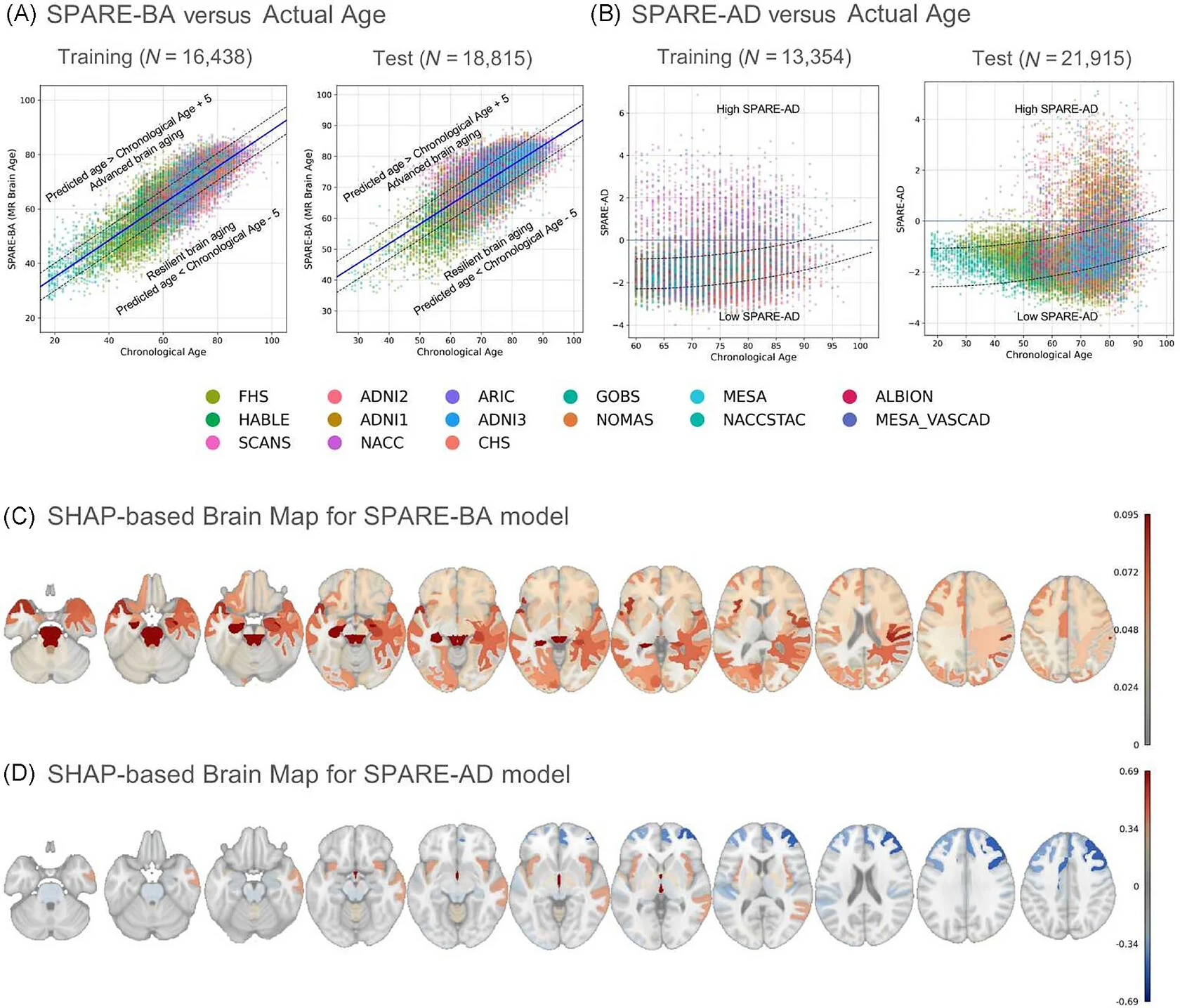
In an observational study of 1,297 participants without dementia, researchers developed brain-scan measures of aging and Alzheimer’s disease. They examined how these measures related to blood biomarkers, measurable signs of biological processes, as well as diagnoses and disease progression.
The Alzheimer’s-related scan measure showed its strongest blood-marker association with phosphorylated tau 217, a chemically modified form of the tau protein. The brain-aging measure correlated most strongly with neurofilament light, a protein found in nerve cells. Combining the scan measures with blood biomarkers best distinguished diagnoses and showed the strongest associations with disease progression. The researchers concluded that the combination may improve detection and prediction of cognitive impairment, meaning problems with thinking.
Why it matters
The work addresses how measures of brain aging and Alzheimer’s disease might help identify current thinking difficulties and anticipate future impairment.
Caveats
The observational design does not show that using the combined measures improves clinical care. Participants did not have dementia, so the findings do not establish performance in people who do.
From the paper
- Participants
A total of 394 participants (CU = 295, MCI = 99 at baseline) had longitudinal data available with a mean follow-up duration of 3 ± 3 years.
Quoted word for word from the full text on alz-journals.onlinelibrary.wiley.com.
- Machine learning
- Alzheimer's disease
- Cognitive impairment
- Plasma neurofilament light
- Plasma phosphorylated tau 217
- Humans
The paper
Integration of neuroimaging signatures of aging and Alzheimer's with fluid biomarkers
Cedars-Sinai Medical Center; The University of Texas Health Science Center
Alzheimer's & Dementia, Oct 1, 2026