Kidney disease platelets can halt division in immune cells in the lab
Cell experiments implicated tiny particles released by these platelets and an RNA molecule they carried in this premature non-dividing state.
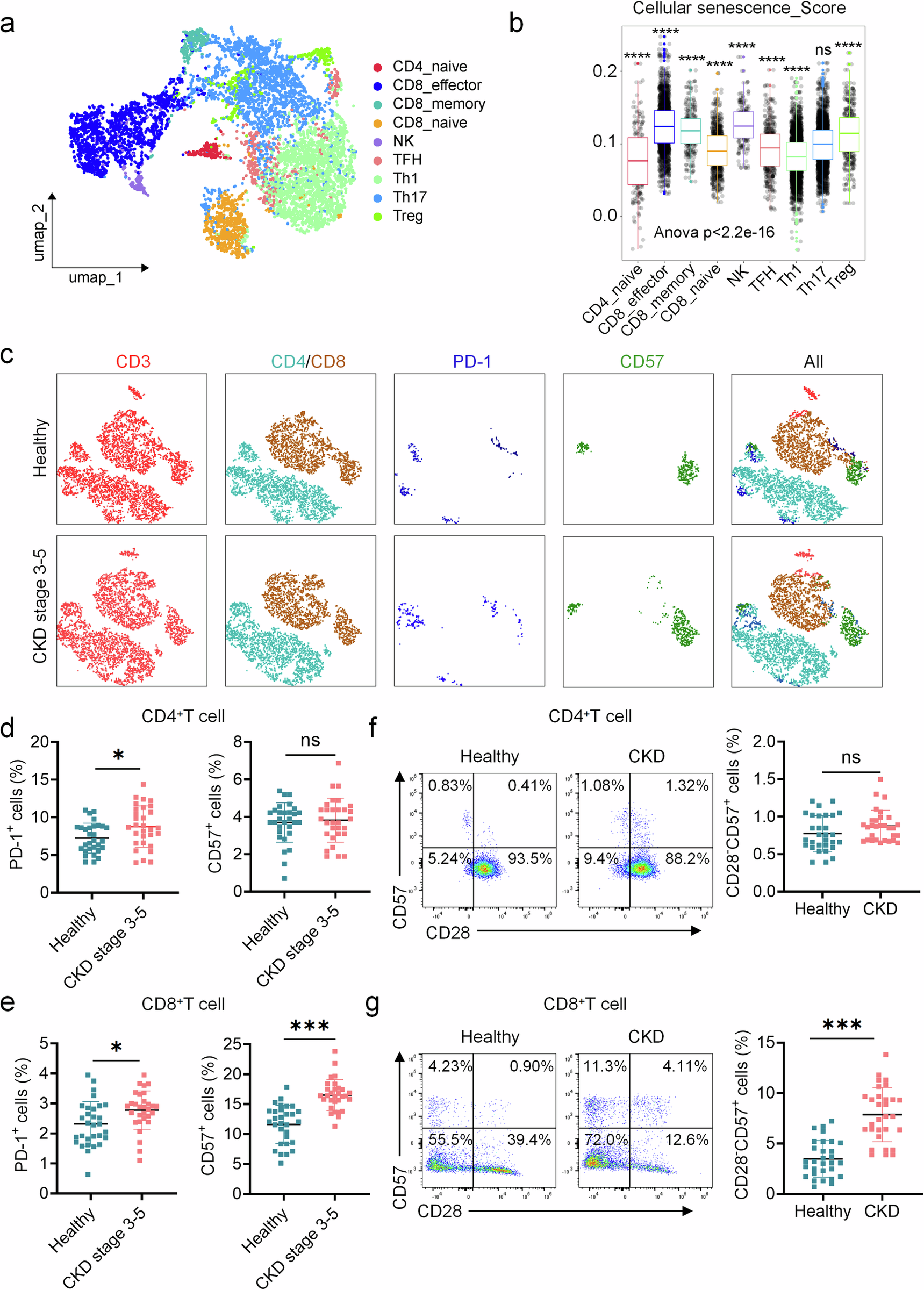
Limit: Senescence markers increased, but platelet-derived microparticles did not significantly affect T-cell proliferation
In cell experiments, platelets from people with chronic kidney disease induced premature senescence, a state in which cells stop dividing, in CD8 T cells, a type of immune cell. Tiny particles released by these platelets transferred microRNA-550a-5p, a small RNA molecule that regulates gene activity, into the T cells.
This transfer reduced levels of one protein and disrupted the processing of another. The researchers suggested that platelet-induced senescence potentially involved dysfunction in mitochondria, the cells’ energy-producing structures. Blocking the RNA molecule or exposing cells beforehand to the compound nicotinamide mononucleotide prevented platelet-induced senescence.
Why it matters
The authors suggested that this pathway could offer a target for treating immune senescence associated with chronic kidney disease.
Caveats
These were cell experiments, not a treatment trial in people. They did not establish whether these approaches would improve immune function or prevent infections in people with chronic kidney disease.
From the paper
- Participants
A total of 75 non-dialysed patients with CKD stage 3–5 (25–45 years old) were enrolled from the Department of Nephrology, Xinqiao Hospital (Chongqing, China), along with 45 healthy volunteers.
Quoted word for word from the full text on nature.com.
The paper
Xinqiao Hospital
Experimental & Molecular Medicine, 16 Oct 2026


