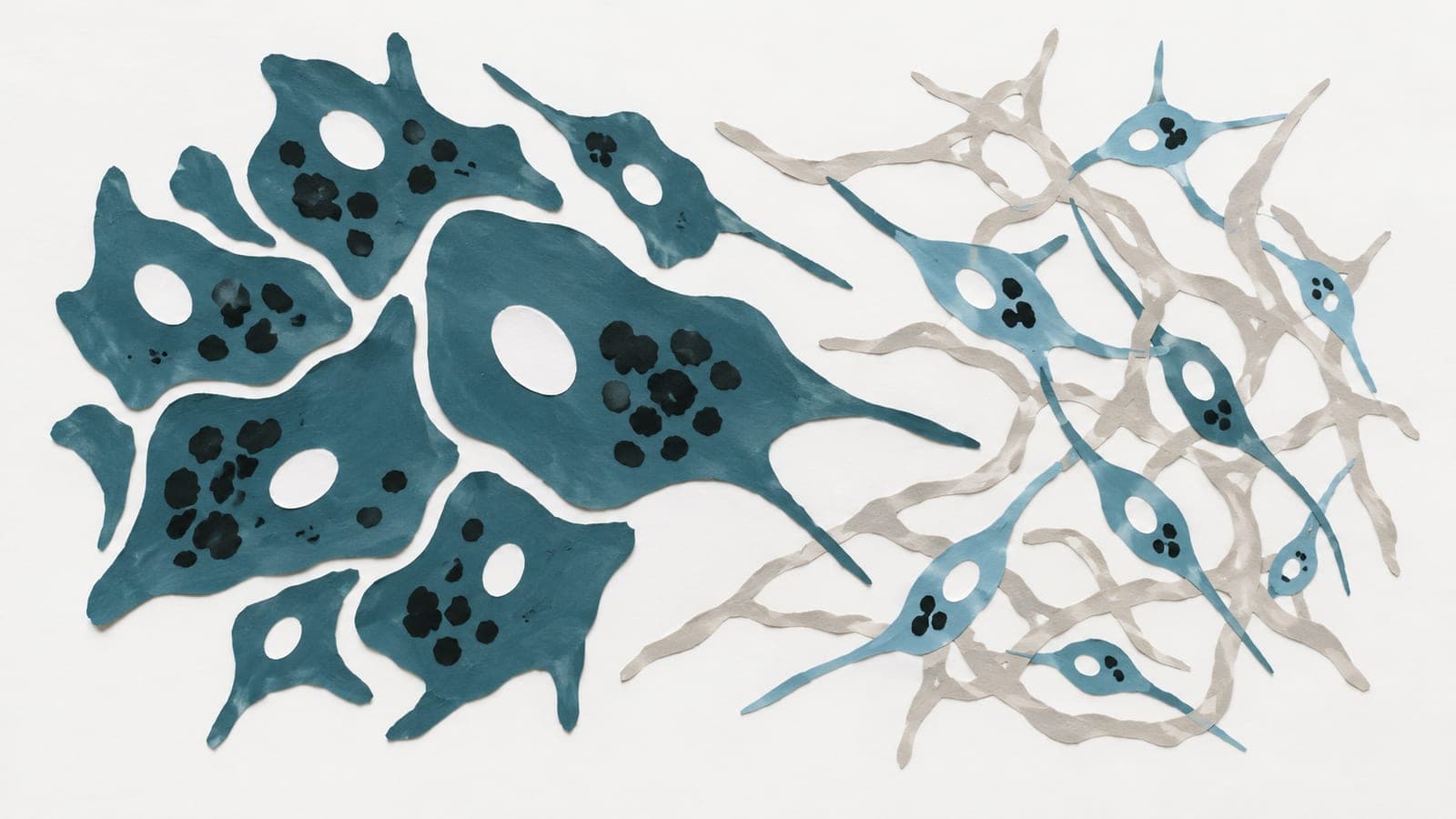
In primary human lymphocytes, the triazole fungicide cyproconazole impairs regulatory B cell interleukin-10 expression and induces T cell senescence
Abstract
Triazole fungicides are applied worldwide, yet their effects on human lymphocytes remain poorly characterised. We examined whether cyproconazole impairs regulatory B cell function and induces T cell senescence. Purified B and T lymphocytes were exposed to cyproconazole (30-200µM, 48-72h). B cells were more susceptible to apoptosis than T cells, their regulatory output collapsing disproportionately to cell loss: IL-10 in viable CD19⁺ cells fell by 87% at 30µM, granzyme B declining only at higher concentrations. Cyproconazole drove T cells out of the cell cycle into G0 at 48h, before any viability loss, and towards a CD27⁻CD28⁻CD57⁺ senescent phenotype, increased 5.6-fold in CD8⁺ cells. Reduced PD-1 identified senescence rather than exhaustion, and TNF-α and IFN-γ rose up to 3.9-fold within the senescent compartment (p < 0.05). Cyproconazole thus dismantles two layers of human immune regulation, at concentrations comparable to plasma levels during triazole therapy.
The paper
University of Monastir
Environmental Toxicology and Pharmacology, 16 Oct 2026