Targeting Specific Sirtuin Modulation: Emerging Therapeutic Strategies for Healthy Cognitive Ageing and Potential Implications for Alzheimer's Disease
Abstract
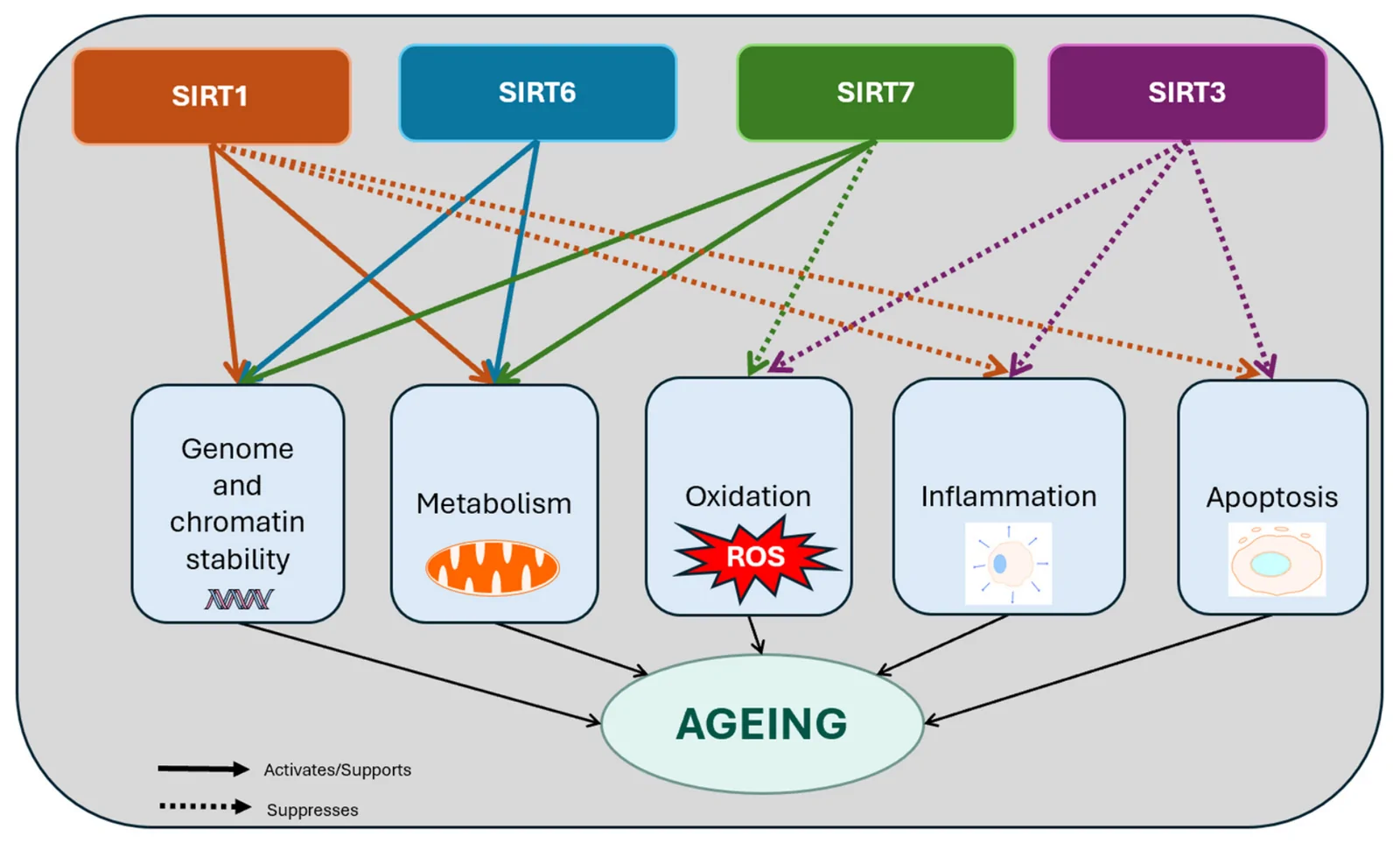
Nicotinamide adenine dinucleotide (+)-dependent class III histone deacetylases, widely known as sirtuins (SIRTs), have been found to play key functions in a wide range of biological processes implicated in ageing processes. The downregulation of some specific SIRTs was reported in ageing and in some neurological diseases such as Alzheimer's disease. SIRT modulator factors, such as diet, exercise and various natural compounds, have recently emerged as a potential new avenue of therapy to modify the progression of Alzheimer's disease and delay some ageing effects. This review synthesises recent advances in the understanding of the modulatory effects of SIRTs in the context of healthy ageing with a particular focus on cognitive function and implications for Alzheimer's disease.
The paper
Australian Catholic University
Molecules, 3 Oct 2026, Open access


