Clinical Relevance of Magnesium Supplementation In Type 2 Diabetes Mellitus
Abstract
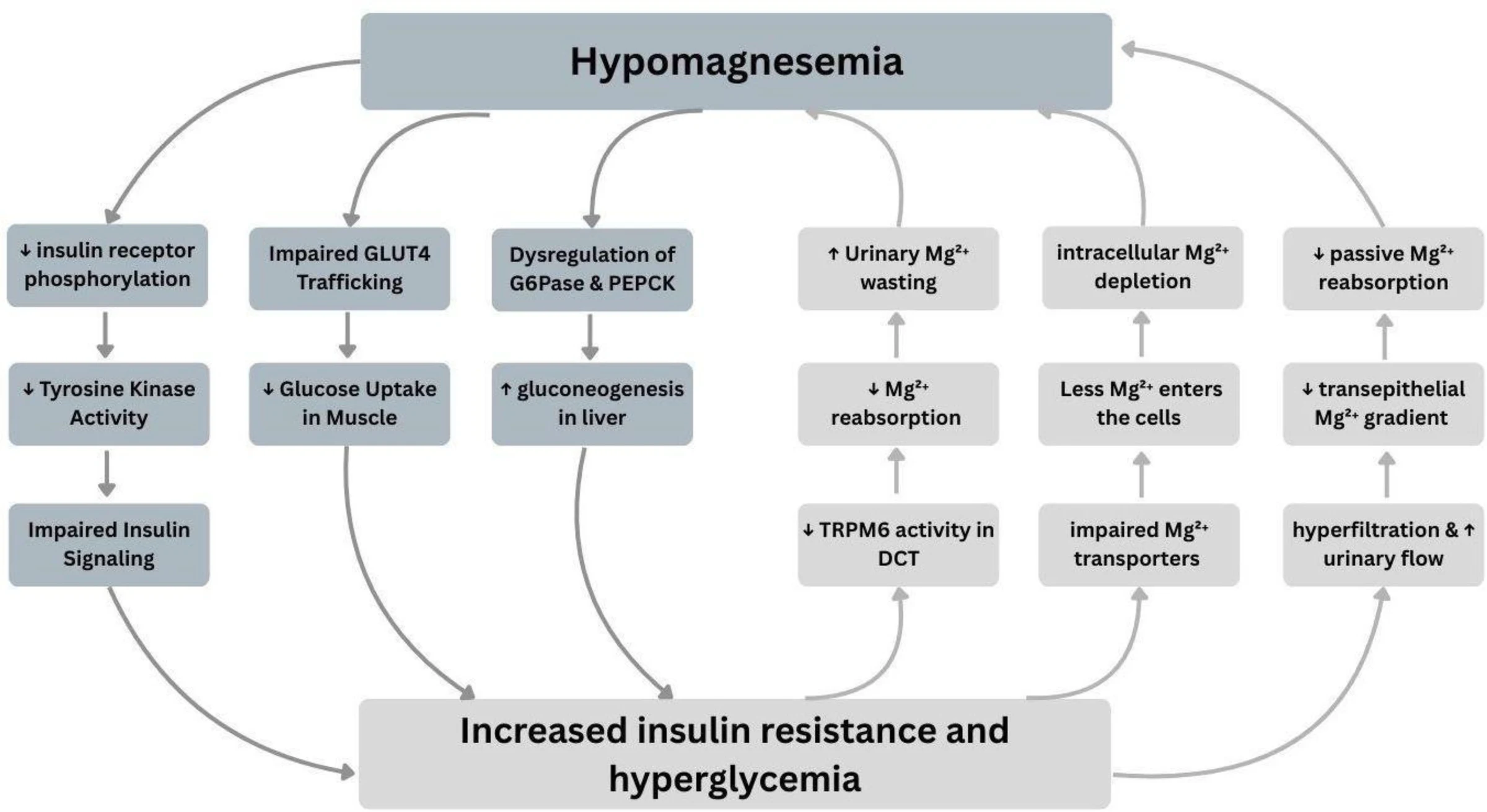
Magnesium deficiency is common in type 2 diabetes mellitus (T2DM), affecting up to 48% of patients, yet remains underrecognized in routine clinical practice. A bidirectional relationship between hypomagnesemia and insulin resistance has been well characterized, and observational data consistently link higher magnesium intake to reduced risks of T2DM, hypertension, stroke, and heart failure. However, supplementation trials have yielded inconsistent results, limited by small sample sizes, short follow-up, heterogeneous formulations with differing bioavailability, and variable glycemic endpoints. Serum magnesium, the most widely used clinical measure, reflects less than 1% of total body stores and may fail to detect clinically significant depletion. No randomized trial has been powered for hard clinical outcomes such as diabetes prevention or cardiovascular events. Current American Diabetes Association guidelines recommend magnesium screening and supplementation only in high-risk groups with documented deficiency, with emphasis on dietary optimization as a first-line strategy. A literature search was conducted using PubMed/MEDLINE from inception through December 2025, with priority given to meta-analyses, randomized controlled trials, prospective cohort studies, and clinical practice guidelines, particularly the ADA position statement and the NIH Office of Dietary Supplements Magnesium Fact Sheet. This narrative review critically examines the evidence linking magnesium to glycemic control and cardiovascular risk in T2DM, highlights key methodological limitations, and identifies research priorities such as biomarker validation, formulation comparison trials, and adequately powered cardiovascular outcome studies needed to determine whether magnesium optimization should be incorporated into routine diabetes care.
The paper
Medical City Fort Worth; Hospital medicine
Mayo Clinic Proceedings, 15 Oct 2026


