A pangenomic method for establishing a synthetic somatic variant resource in HapMap mixtures
Abstract
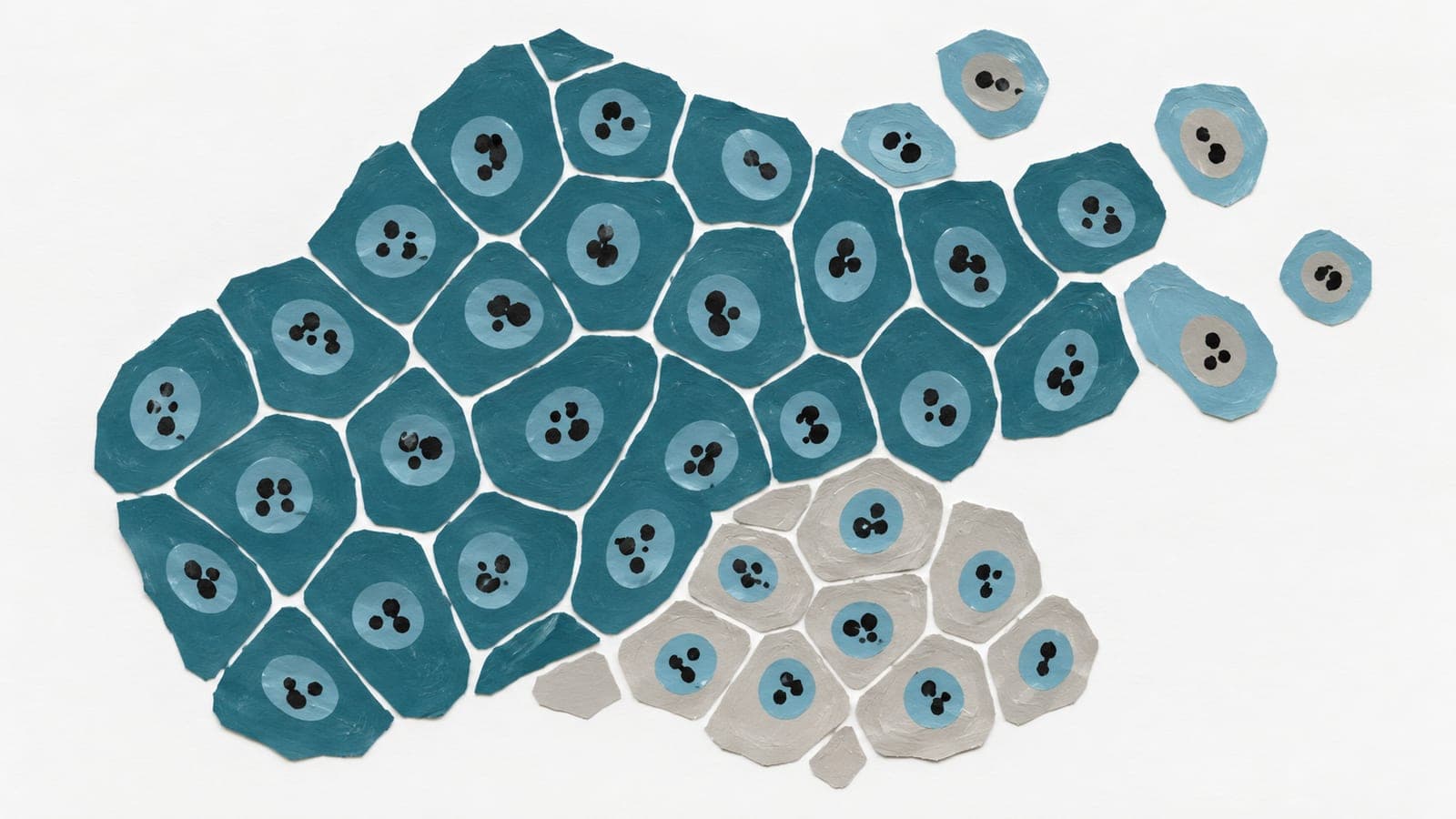
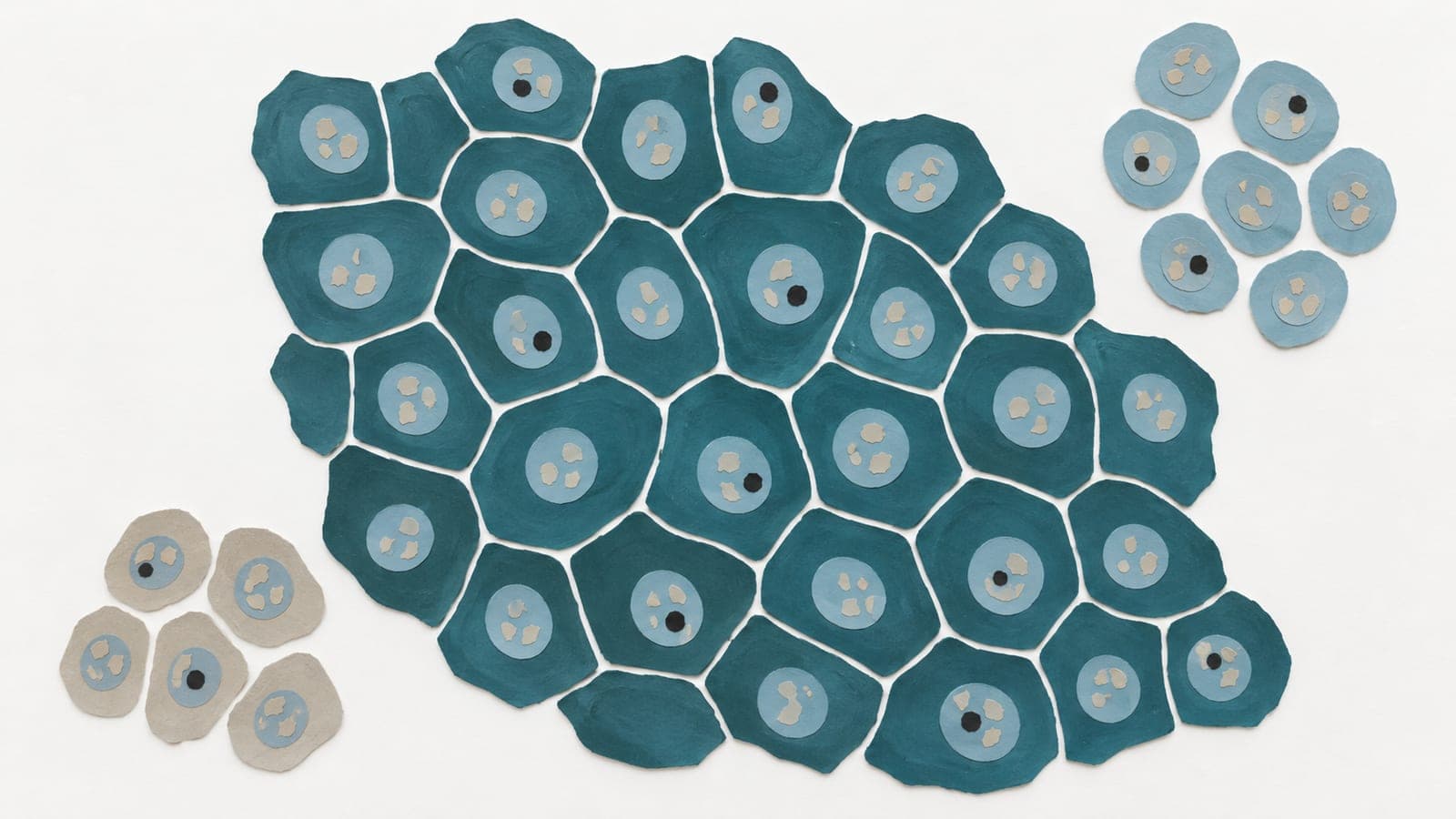
Somatic mosaicism is widespread in human biology and disease, yet robust benchmarks are scarce. The Somatic Mosaicism across Human Tissues (SMaHT) Consortium mixed six HapMap cell lines to create artificial somatic variants spanning 0.25%-16.5% variant allele fractions. We developed a technology-agnostic method that builds pangenome graphs from individual assemblies to create unified benchmarking sets: >6 million single-nucleotide variants, >1.8 million small insertions/deletions, >49,000 structural variations, and 10,000 mobile element insertions across autosomes and mitochondrial chromosomes. We validated the variants using ultra-deep simulated reads and developed a binomial-based model to estimate coverage requirements for variant detection. Evaluating multiple callers showed that telomere-to-telomere CHM13 alignment improves structural variant detection and offers advantages in difficult-to-map regions compared to GRCh38. Low-allele-fraction variant detection remained particularly challenging in repeat-rich genomic regions and falsely duplicated genes. This accurate, versatile resource enables systematic evaluation of somatic variant detection technologies.
The paper
Washington University School of Medicine
Cell Genomics, 15 Oct 2026