Severe mental illness linked to early onset of multiple conditions
Records covering up to 21 years for 858,789 Scottish patients linked severe mental health conditions involving hospital contact to multiple chronic conditions developing early.
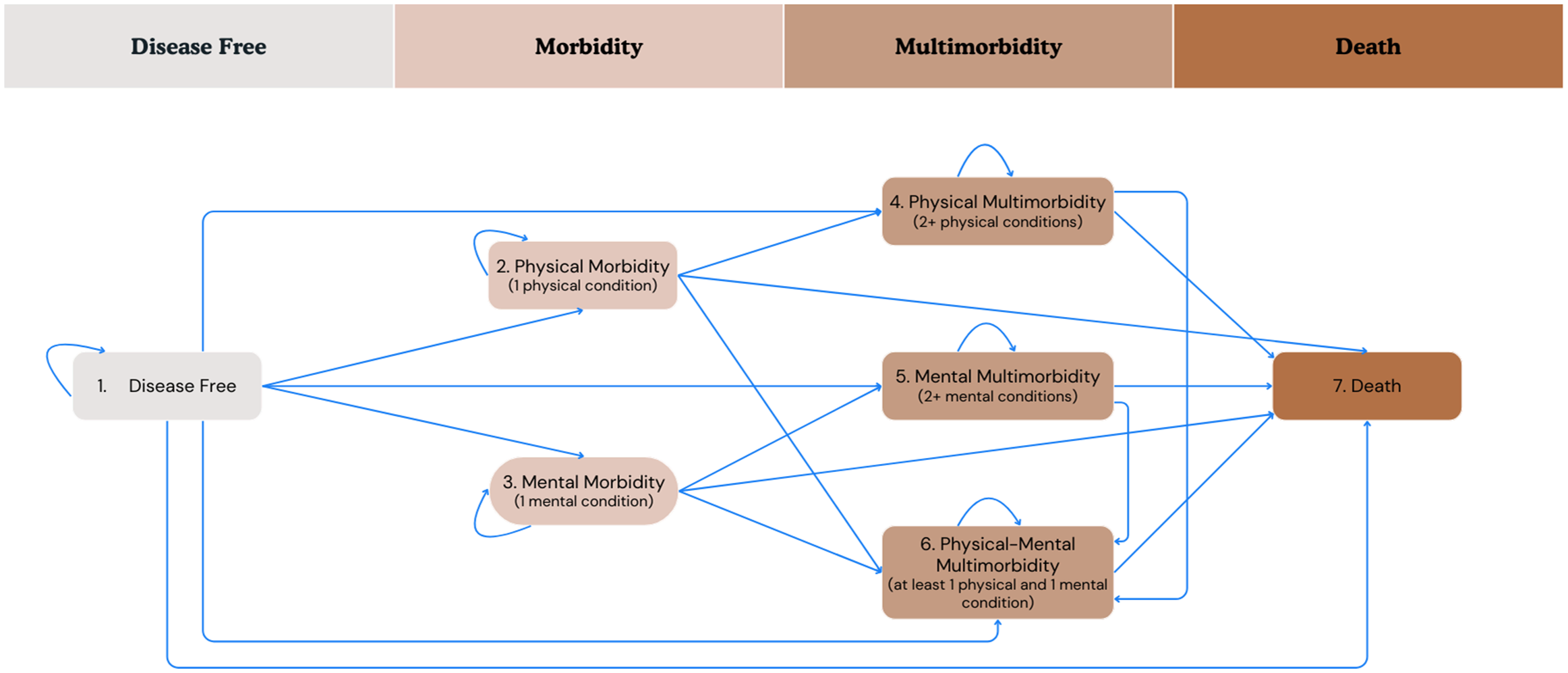
An observational cohort study used up to 21 years of electronic health records from 858,789 Scottish patients who began free of disease. Researchers used statistical modelling to examine how patients developed multimorbidity, meaning two or more chronic conditions. They examined how these pathways differed by age, sex and socioeconomic status.
Severe mental health conditions involving hospital contact were linked to the early development of multimorbidity. This pattern was particularly evident in young men and socioeconomically disadvantaged groups. The researchers identified these populations as priorities for targeted early interventions.
Why it matters
Understanding when multiple chronic conditions develop may help healthcare services respond to changing needs as people age. The authors called for integrated physical and mental healthcare and action on the social conditions shaping health.
Caveats
This observational study could not establish that mental health conditions caused other chronic conditions. Overall estimates of transitions between health states were driven by the younger makeup of the initially disease-free cohort.
From the paper
- Participants
858,789 individuals were included in the analysis.
- Result
… HRs for the transition from disease-free to death (DF → Death) were 0.42 (95% CI: 0.36–0.48) in young women aged 18–24 years, 0.38 (95% CI: 0.35–0.42) in women aged 25–44 years, 0.51 (95% CI: 0.47–0.54) in middle aged women aged 45–64 years and 0.97 (95% CI: 0.92–1.02) in older women aged 65+ years.
Quoted word for word from the full text on journals.plos.org.