Higher ultraprocessed food intake linked to brain injury
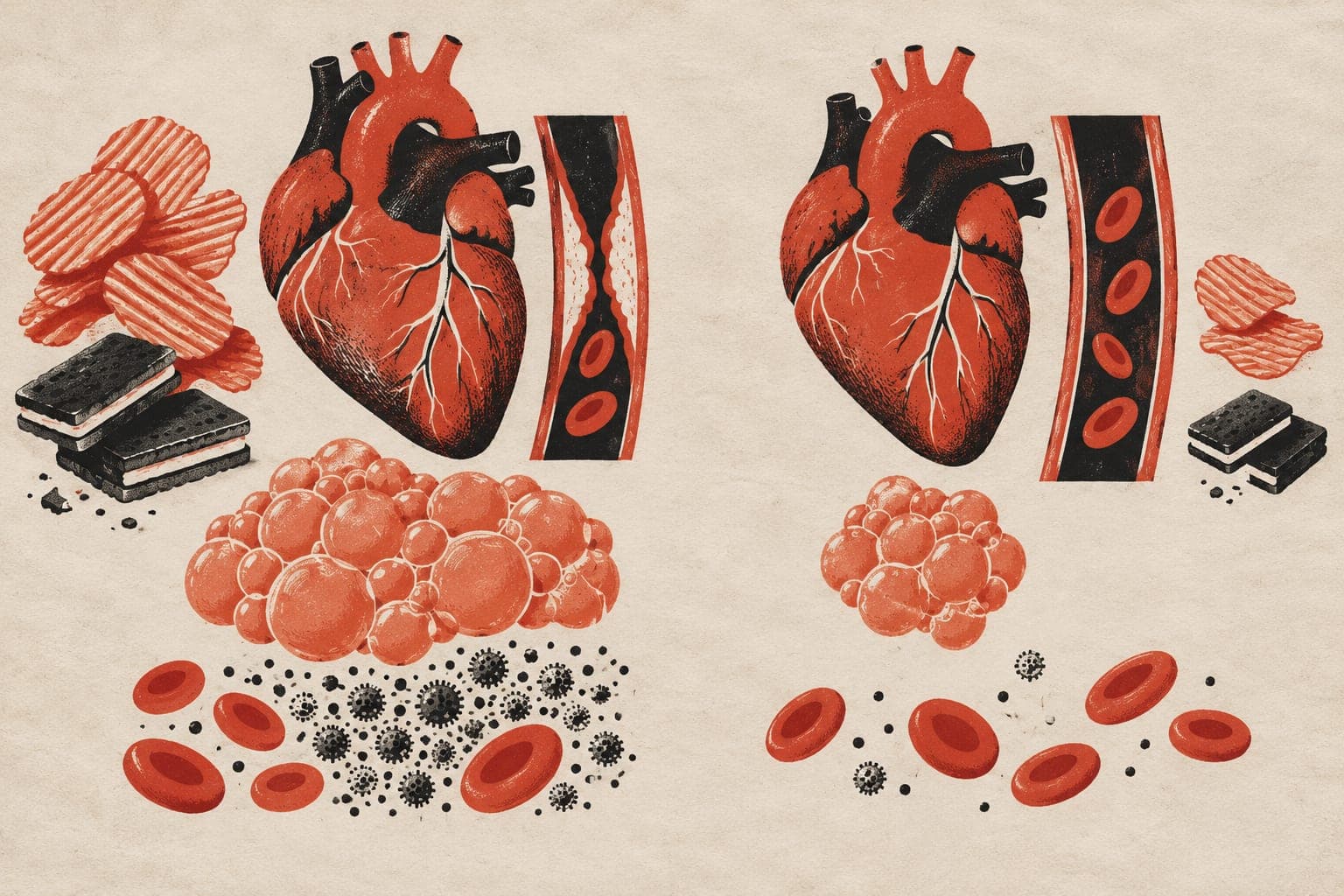
Body fat was 1.7 percentage points higher in the quarter eating the most ultraprocessed food than in the quarter eating the least.
Dose-response
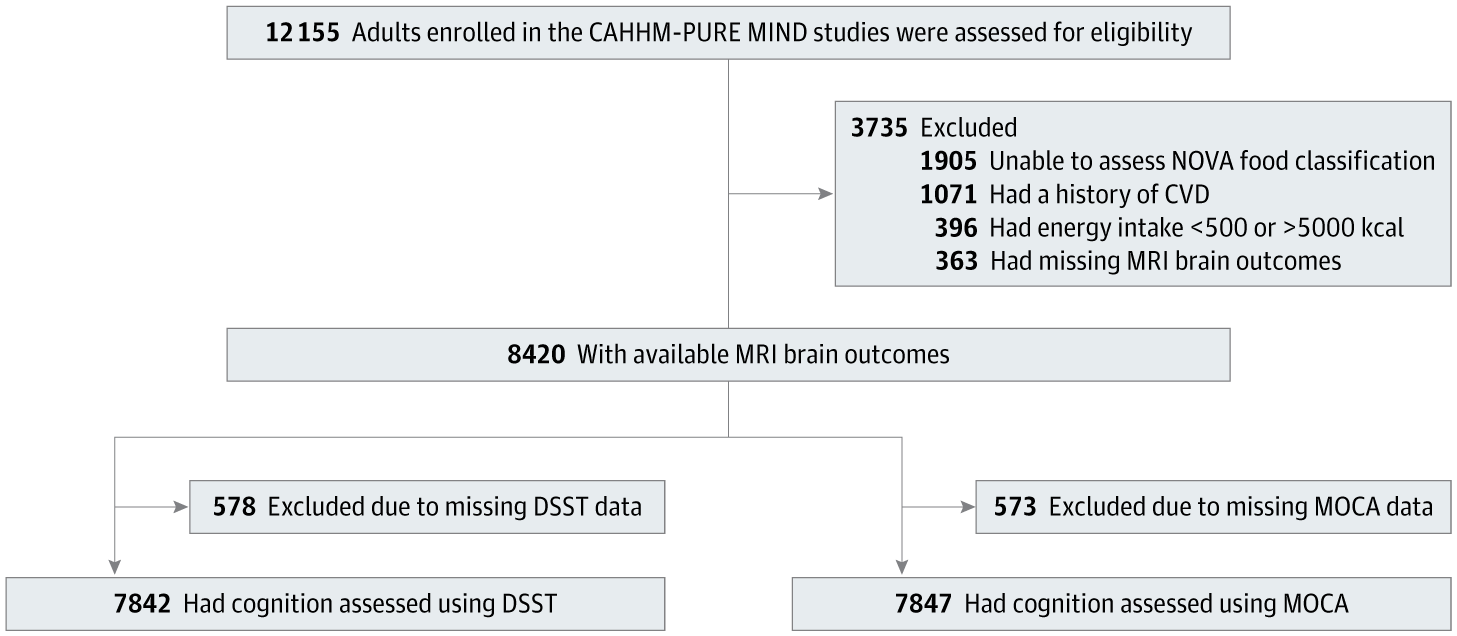
Researchers conducted a cross-sectional study of 8,783 adults aged 35 to 69 in Canada, including 4,917 women, without cardiovascular disease. They used food questionnaires to estimate ultraprocessed food intake. They also measured body fat, assessed brain scans and tested thinking skills.
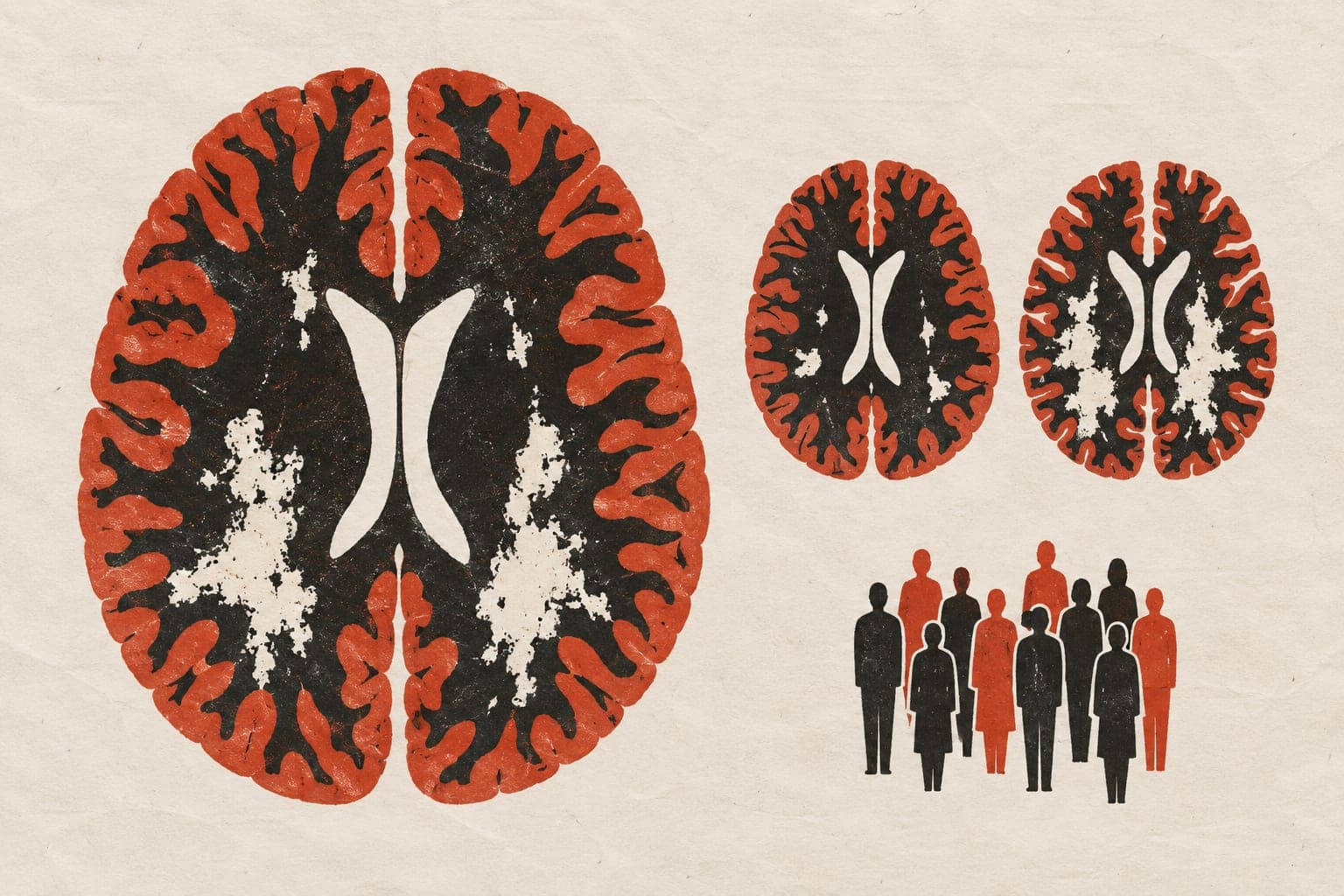
Compared with the lowest-intake quarter, the highest-intake quarter had body fat levels 1.7 percentage points higher and 5.7 millilitres more fat around internal organs. They also had higher odds of blood vessel-related brain injury on magnetic resonance imaging scans. The groups did not differ significantly in liver fat. Ultraprocessed food intake was not significantly linked to performance on either of two thinking-skills tests.
Why it matters
The study addresses how midlife dietary habits may relate to brain health as people age.
Caveats
This cross-sectional study could not establish whether higher intake preceded the differences or caused them. The brain-injury association was sensitive to how intake was defined; the study did not cover people with cardiovascular disease or those outside ages 35 to 69.
- Ultra-processed foods
- Covert brain infarcts
- Vascular brain injury
- Body fat percentage
- Digital Symbol Substitution Test
- Humans
The paper
Ultraprocessed Food Intake and Adiposity, Vascular Brain Injury, and Cognition in Middle-Aged Adults
McMaster University
JAMA Network Open, 1 Oct 2026