GLP-1 Receptor Agonists and Lipoprotein (a): Insights, Gaps and Clinical Implications in Cardiovascular Diseases
Abstract
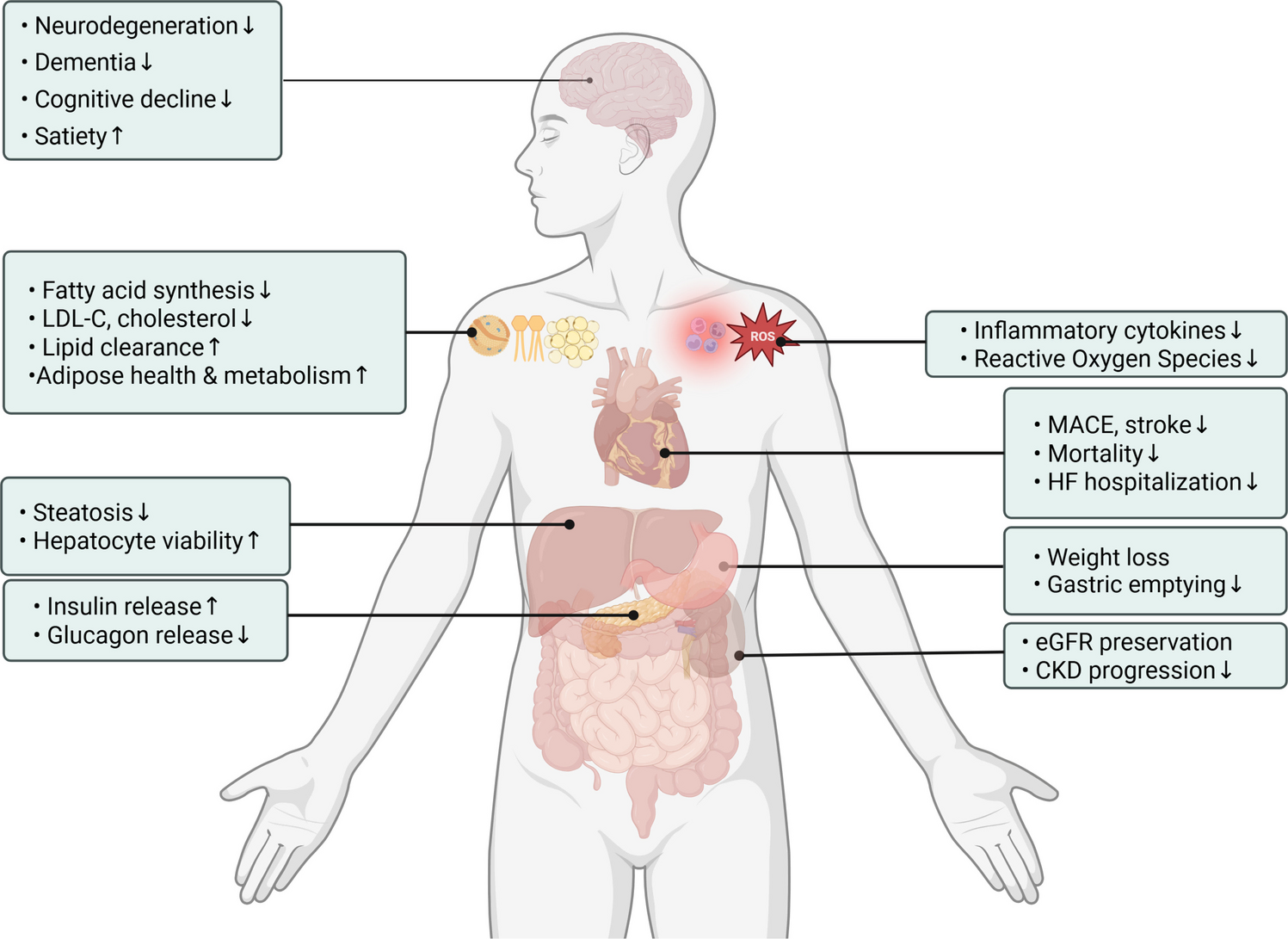
PURPOSE OF REVIEW: Lipoprotein(a) [Lp(a)], a predominantly genetically determined biomarker that remains relatively stable throughout life, is a well-established and independent risk factor for cardiovascular disease. Glucagon-like peptide-1 receptor agonists (GLP-1RAs) have demonstrated broad cardiometabolic benefits, yet their potential influence on Lp(a) remains unclear. This review synthesizes the most recent evidence at the intersection of GLP-1RAs, Lp(a), and cardiovascular disease, with particular emphasis on underlying mechanistic pathways and their potential implications for cardiovascular risk stratification and clinical outcomes. RECENT FINDINGS: Beyond glycemic control, the multisystem effects of GLP-1RAs suggest a plausible influence on Lp(a) metabolism through multiple mechanistic pathways, including modulation of hepatic and intestinal lipoprotein synthesis and secretion, anti-inflammatory and endothelial-protective actions, attenuation of adipokine signaling, and broader metabolic outcomes. Preclinical and early clinical studies suggest modest but significant reductions in Lp(a) with GLP-1RA therapy, and ongoing large-scale studies aim to clarify the magnitude and clinical relevance of this effect. GLP-1RAs may offer a novel approach to addressing residual cardiovascular risk in patients with elevated Lp(a), although their direct effects on Lp(a) remain uncertain and warrant further investigation. Emerging evidence suggests a promising link between GLP-1RA therapy and Lp(a)-related pathways.
The paper
American University of Beirut; American University of Beirut Medical Center
Current Atherosclerosis Reports, 15 Oct 2026