GLP-1 receptor agonists and tendon healing: a systematic review and meta-analysis
Abstract
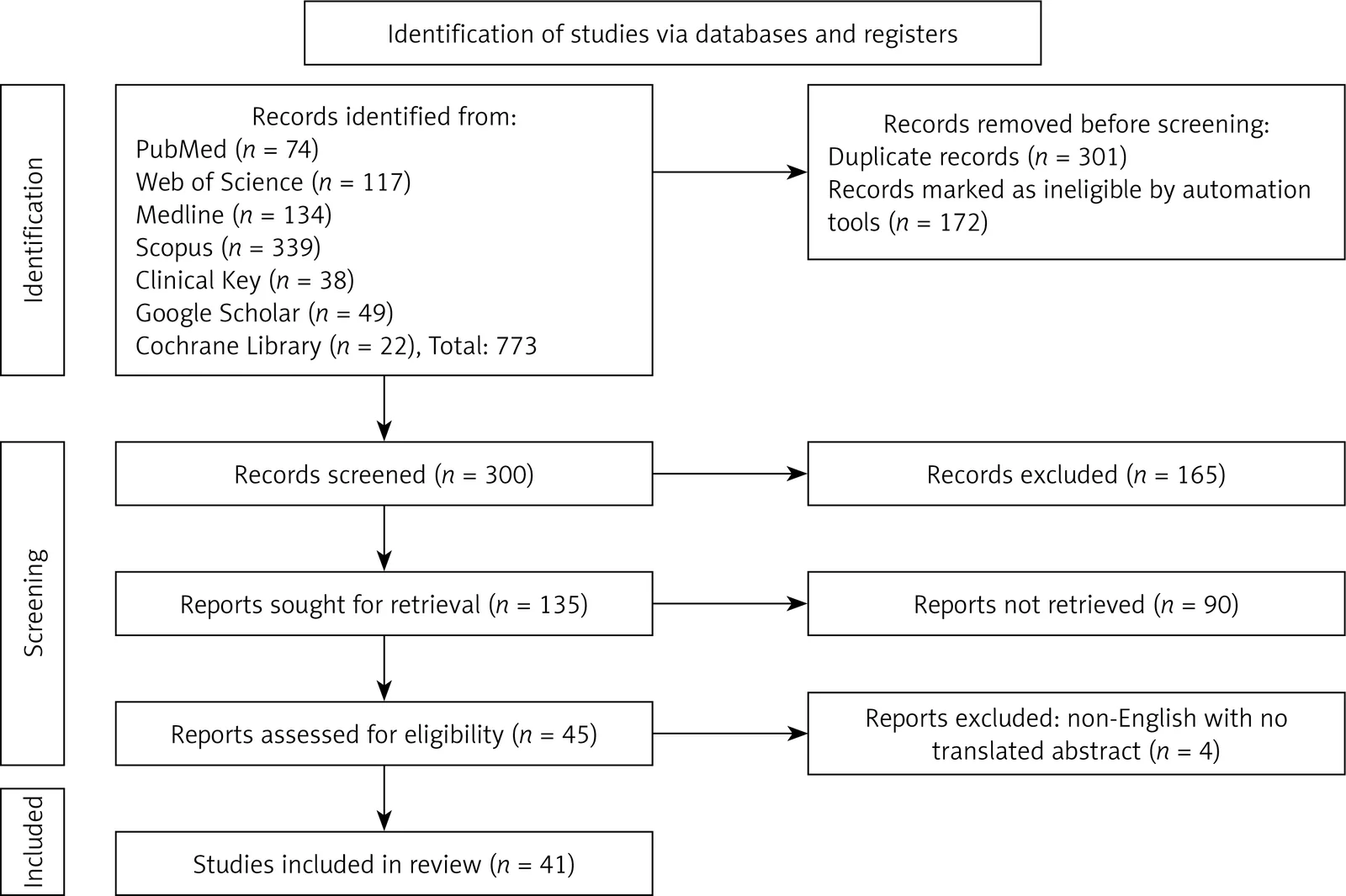
INTRODUCTION: Glucagon-like peptide-1 receptor agonists (GLP-1RAs) are prescribed for cardiometabolic indications and may exert anti-inflammatory and tissue-regenerative effects. However, their effect on tendon healing and tendon-related surgical outcomes remains unclear. In this systematic review and meta-analysis, we evaluated the available preclinical and clinical evidence on the effects of GLP-1RAs on tendon healing and related musculoskeletal outcomes. METHODS: A systematic search of the PubMed, Embase, Medline, Scopus, Clinical Key, Google Scholar, and Cochrane databases was conducted from database inception to December 31, 2025. Eligible studies included animal studies, human experimental studies, and retrospective clinical cohorts that evaluated GLP-1RA exposure in relation to tendon biology, tendon healing, or tendon-related orthopedic outcomes. Risk of bias was assessed using design-appropriate tools, including SYRCLE, ROBINS-I, the Newcastle-Ottawa Scale, SANRA, AMSTAR 2, and the NIH assessment tool. RESULTS: A total of 41 studies were included: eight animal studies, three human experimental studies, six retrospective cohort studies, one prospective study, 18 review or commentary articles, and five systematic reviews. Preclinical evidence generally supported the tendon-promoting effects of GLP-1RAs through the modulation of inflammation, fibroblast activity, angiogenesis, and extracellular matrix remodeling. Quantitative synthesis of two retrospective cohorts evaluating revision risk after total shoulder arthroplasty suggested a lower risk among GLP-1RA users than non-users. However, only two studies were eligible for pooling, and significant clinical heterogeneity remained across the available cohorts. CONCLUSIONS: GLP-1RAs demonstrate biologically plausible tendon healing benefits in preclinical models, with a potentially favorable association with selected postoperative outcomes; however, causal inference remains limited by retrospective design, heterogeneity, and potential confounding factors.
- GLP-1 receptor agonists
- Angiogenesis
- Extracellular matrix remodeling
- GLP-1 and incretin signaling
- Inflammation
- animals
The paper
King Abdulaziz University; Umm al-Qura University
Archives of Medical Science, Aug 20, 2026, Open access


