SGLT1/2 inhibitor sotagliflozin, but not SGLT2-selective inhibitor empagliflozin, attenuates platelet activation and thrombosis
Abstract
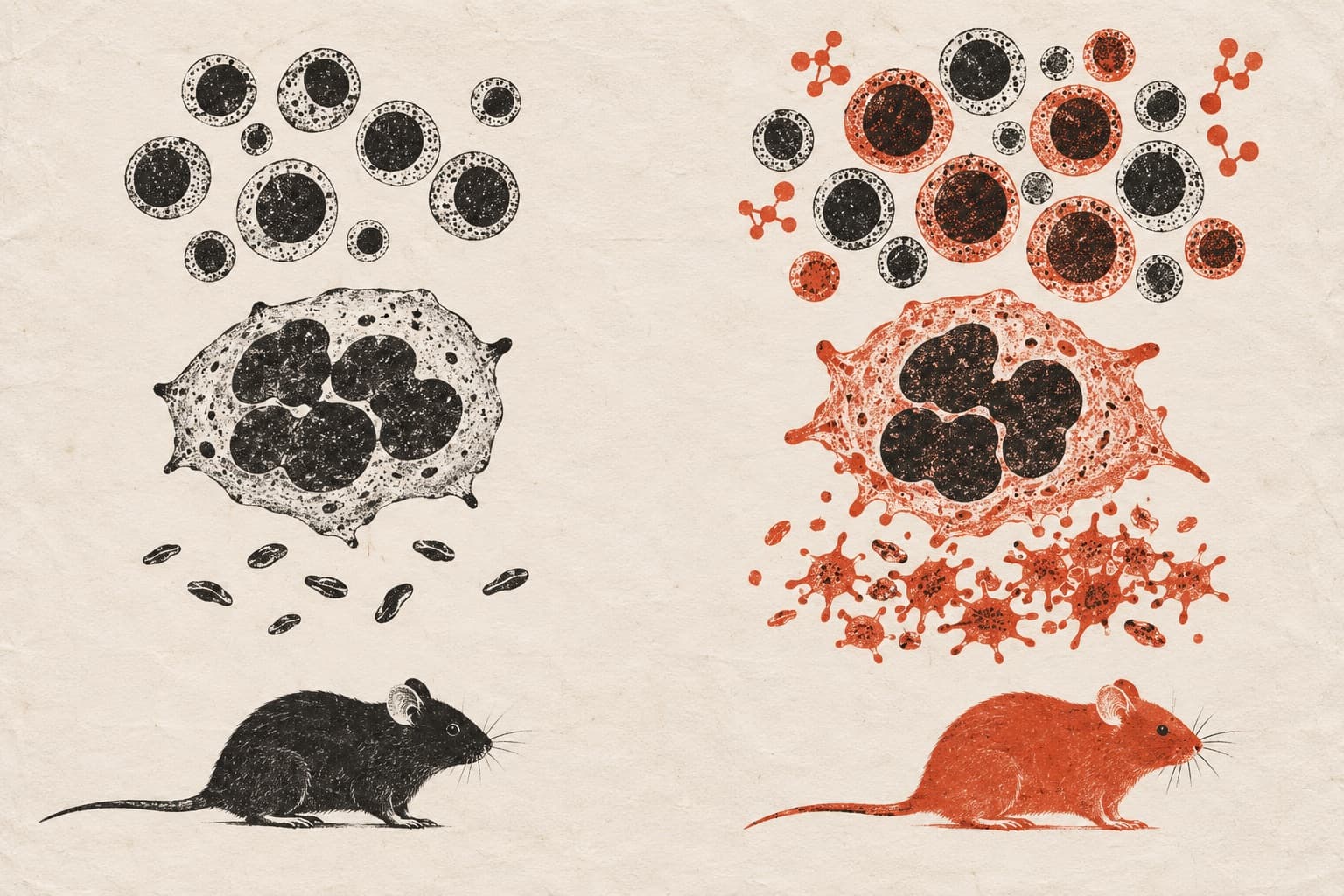
As rates of type 2 diabetes mellitus (T2DM) have risen, comorbidities of T2DM and cardiovascular disease (CVD) have similarly increased. The adoption of sodium-glucose cotransporter (SGLT) 2 inhibitors as a treatment for T2DM has provided an effective means of decreasing renal glucose reabsorption. In recent clinical trials, sotagliflozin, the first FDA-approved inhibitor of both isoforms of SGLT (SGLT1 and SGLT2), demonstrated a reduction in myocardial infarction and stroke in patients with T2DM at high cardiovascular risk. The cardiovascular protective effect of sotagliflozin compared to the SGLT2-selective inhibitor, empagliflozin, was investigated by evaluating effects on platelet activation and thrombus formation. Employing ex vivo models using blood from healthy donors or T2DM patients, and in vivo mouse models, we demonstrate an inhibitory effect on platelet activity and thrombus formation with sotagliflozin, while empagliflozin has minor to no effects. Further, no impact on hemostasis was observed with sotagliflozin. Finally, a platelet-specific deletion of SGLT1 via Slc5a1fl/fl Gp1ba-Cre⁺ mice resulted in reduced platelet integrin activation and thrombus formation. This study provides insight into a potential explanation for the cardiovascular protection conferred by sotagliflozin observed in patients with T2DM at risk of an ischemic event and reveals an added benefit to SGLT2-selective inhibitors.
The paper
University of Michigan Medical Center
The Journal of Clinical Investigation, 13 Oct 2026