Social isolation linked to frailty via depression and mental decline
Among 3,316 Chinese adults aged 60 or older, 1,947 (58.7%) developed frailty over seven years in an observational study.
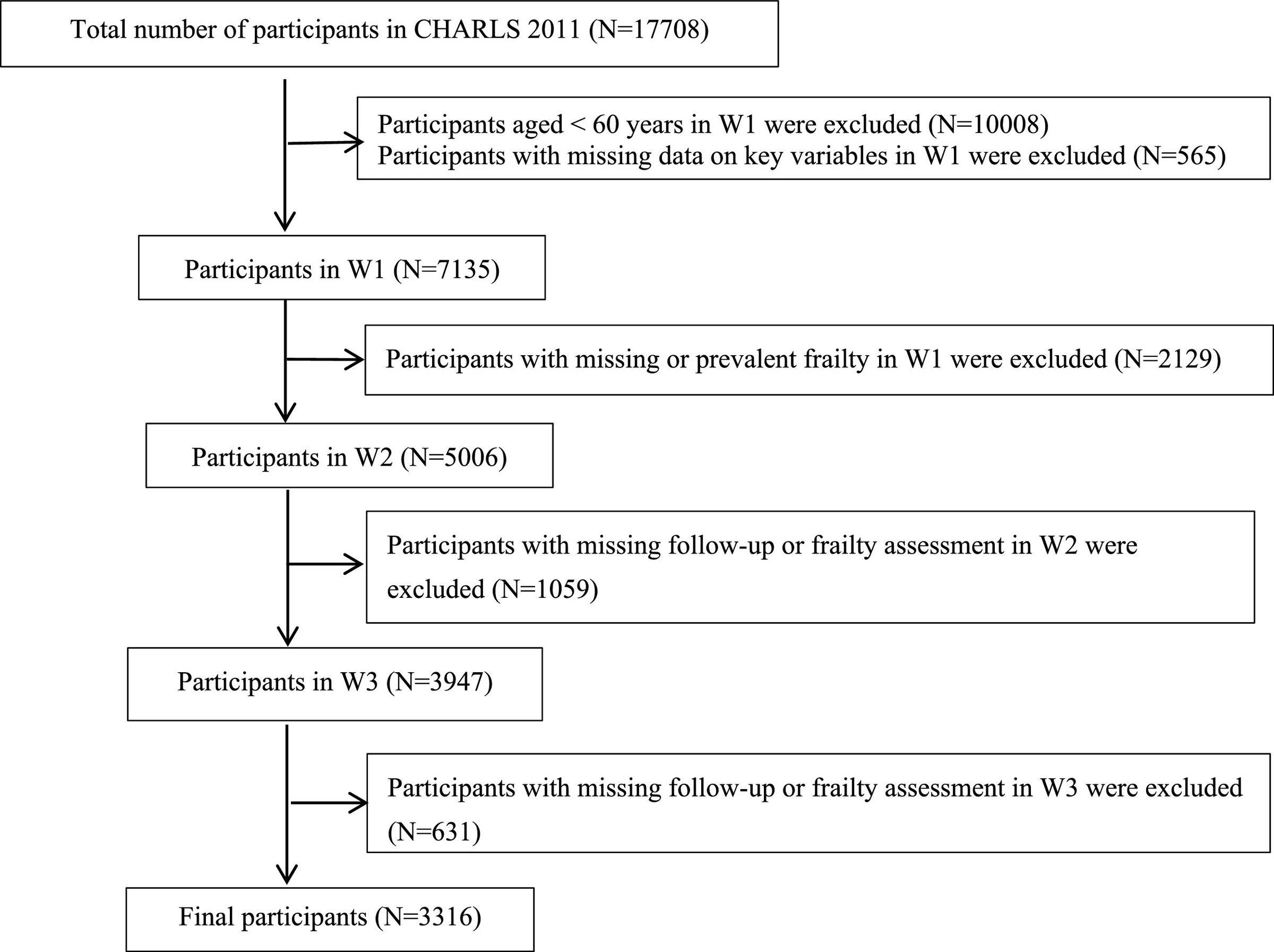
An observational study followed 3,316 Chinese adults aged 60 or older who were not frail at the start. Frailty is a reduced ability to cope with illness or other stresses. Researchers analysed four rounds of data from the China Health and Retirement Longitudinal Study between 2011 and 2018. Participants averaged 68.9 years of age, and 60.5% were women.
After accounting for other factors, the statistical model found no statistically significant direct association between social isolation and frailty. It identified three indirect links: through depression, through thinking abilities, and through a modelled sequence from depression to cognitive decline, meaning worsening thinking abilities. These results suggested that depression and cognitive decline might help account for the association between social isolation and frailty.
Why it matters
The authors highlighted social engagement, mental health and thinking abilities as combined targets for efforts to prevent or delay frailty in older adults.
Caveats
This observational analysis could not establish that isolation caused depression, cognitive decline or frailty. The findings concern Chinese adults aged 60 or older who were not frail at the start.
The paper
The Journal of Frailty & Aging, 13 Oct 2026, Open access