Childhood loneliness linked to faster frailty progression
Definite childhood loneliness was linked to faster frailty progression than no childhood loneliness, with an estimated difference of 0.289 in the statistical model.
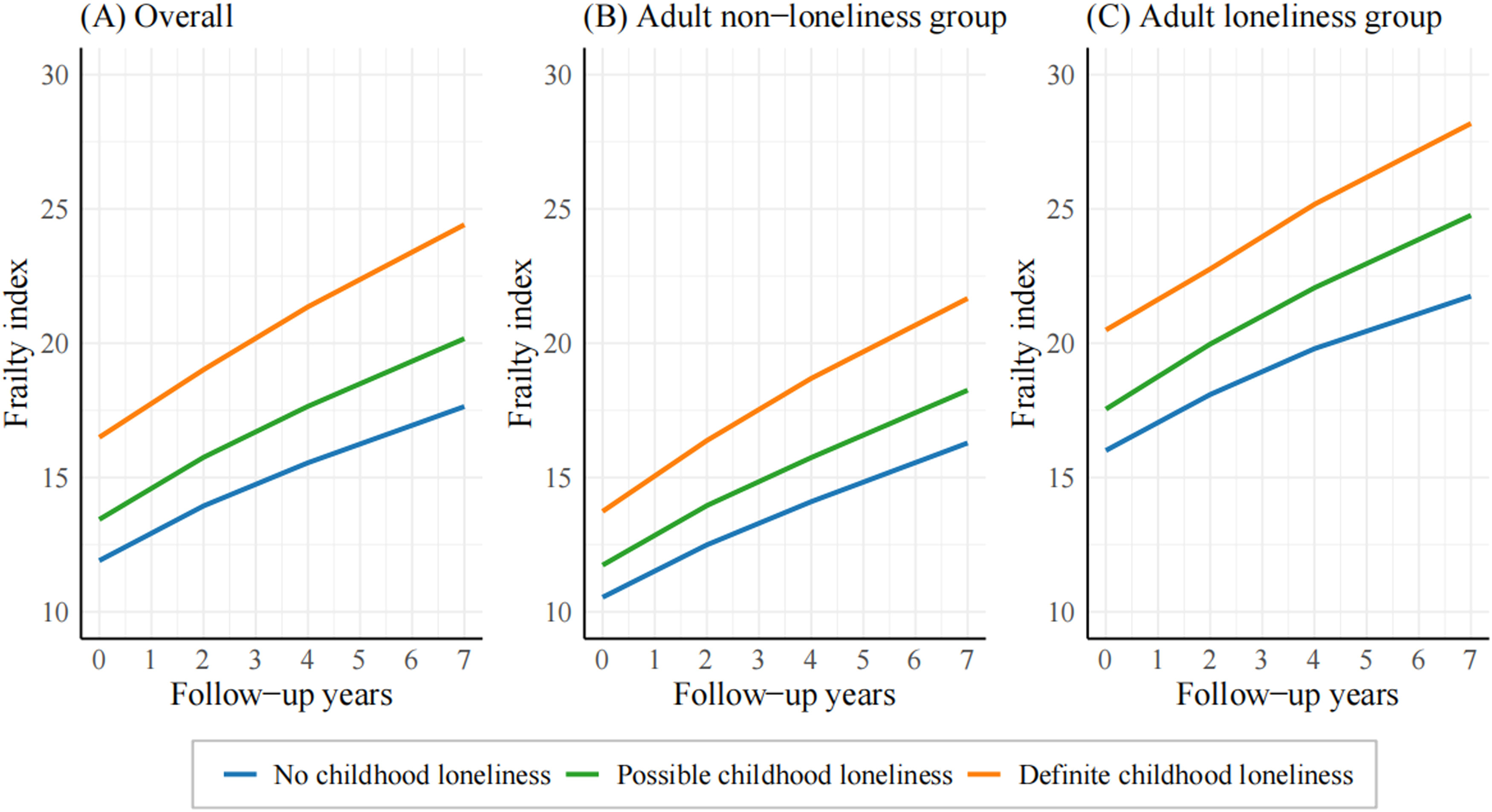
An observational cohort study followed 13,643 participants in the China Health and Retirement Longitudinal Study from 2011 to 2018. Researchers used participants’ accounts of frequent loneliness and a lack of close friendships before age 17 to classify childhood loneliness. They repeatedly measured frailty using a 40-item index of accumulated health problems.
Participants reporting definite childhood loneliness had higher frailty scores at the start and faster progression than those reporting none. Possible childhood loneliness was also associated with faster progression. These associations persisted after accounting for adult loneliness. Childhood loneliness remained linked to faster frailty progression among participants who did not report adult loneliness.
Why it matters
Frailty involves accumulating health problems as people age. This study addresses whether its later-life course is linked to social experiences long before adulthood.
Caveats
This observational study could not establish cause and effect, and childhood loneliness relied on participants’ recollections. The abstract did not specify the scale or time unit for the numerical progression estimates.
The paper
Childhood loneliness and deficit-accumulation frailty progression in mid-to-late life
Capital Medical University; Edith Cowan University
Archives of Gerontology and Geriatrics, 4 Oct 2026