Isolation and loneliness linked to less independence in Chinese study
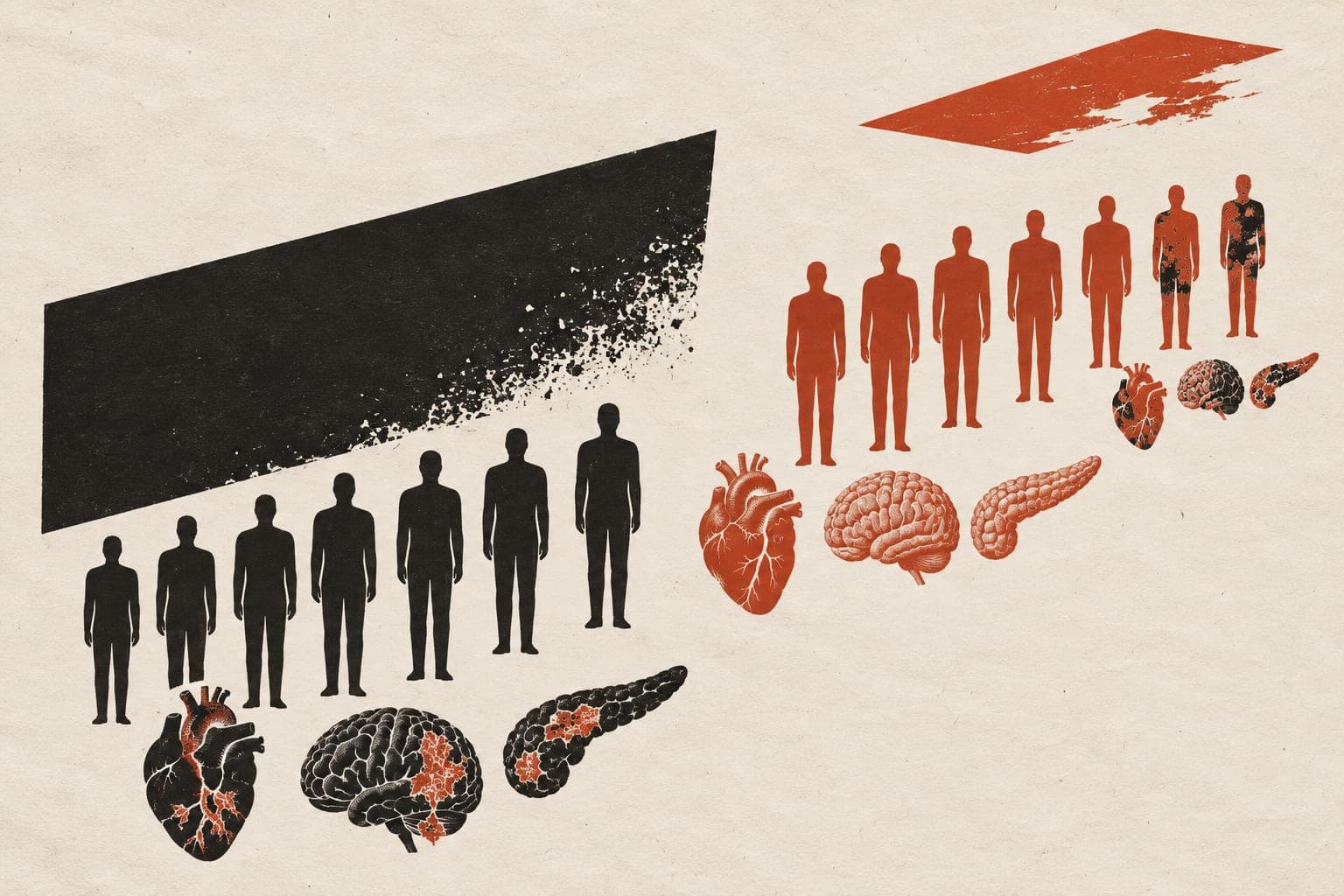
In adults with cardiometabolic multimorbidity, models estimated 4.83 independent years at ages 60–90 with low isolation and no loneliness, versus 0.65 with both.
9 years
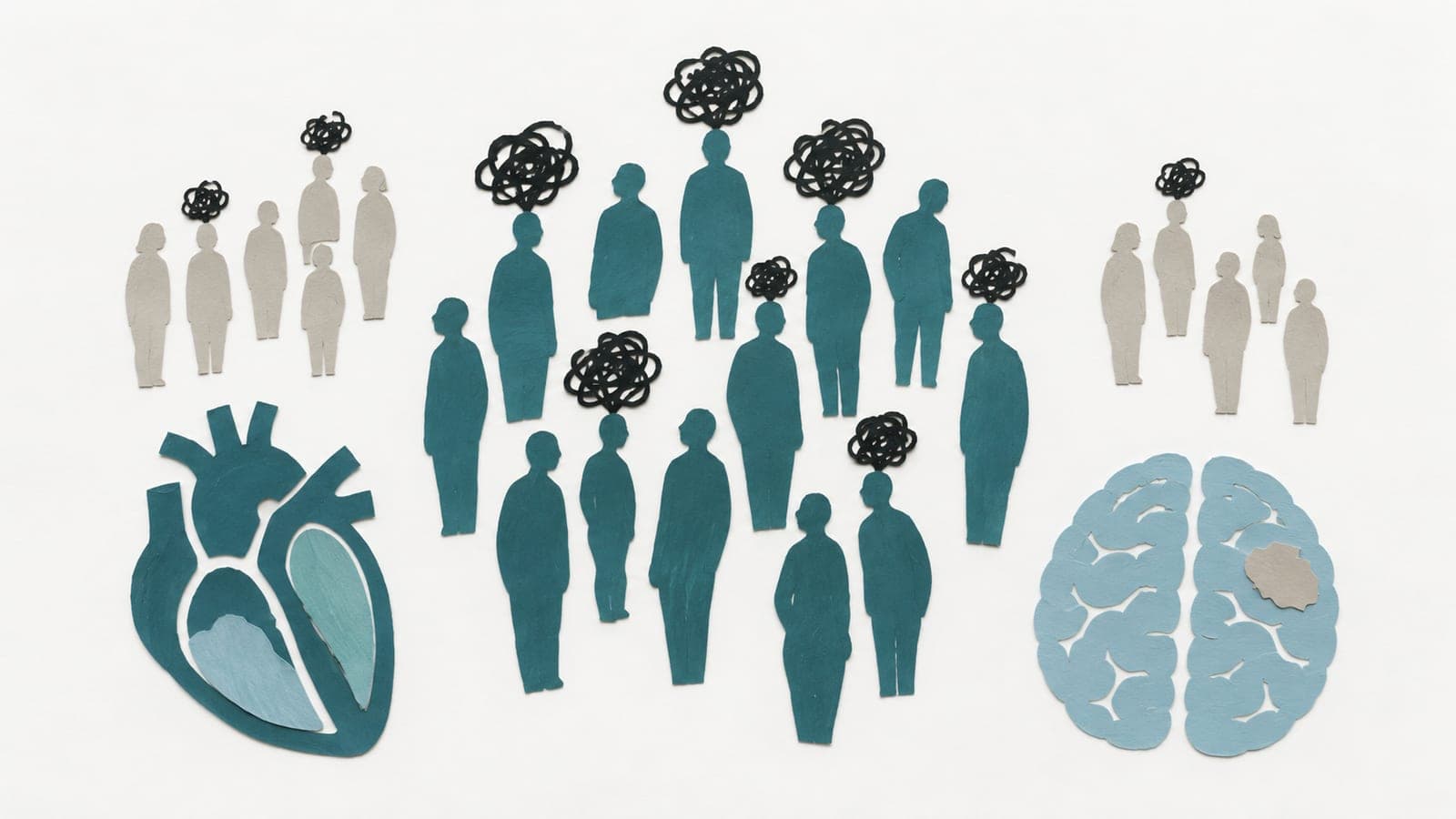
This observational study analysed 1,731 adults aged 45 and over with cardiometabolic multimorbidity in the China Health and Retirement Longitudinal Study. This meant having at least two of five conditions: high blood pressure, abnormal blood fats, diabetes, heart disease or stroke. Researchers used data from 2011–2020 to model transitions between independence, limitations in tasks needed to live independently, limitations in basic self-care and death.
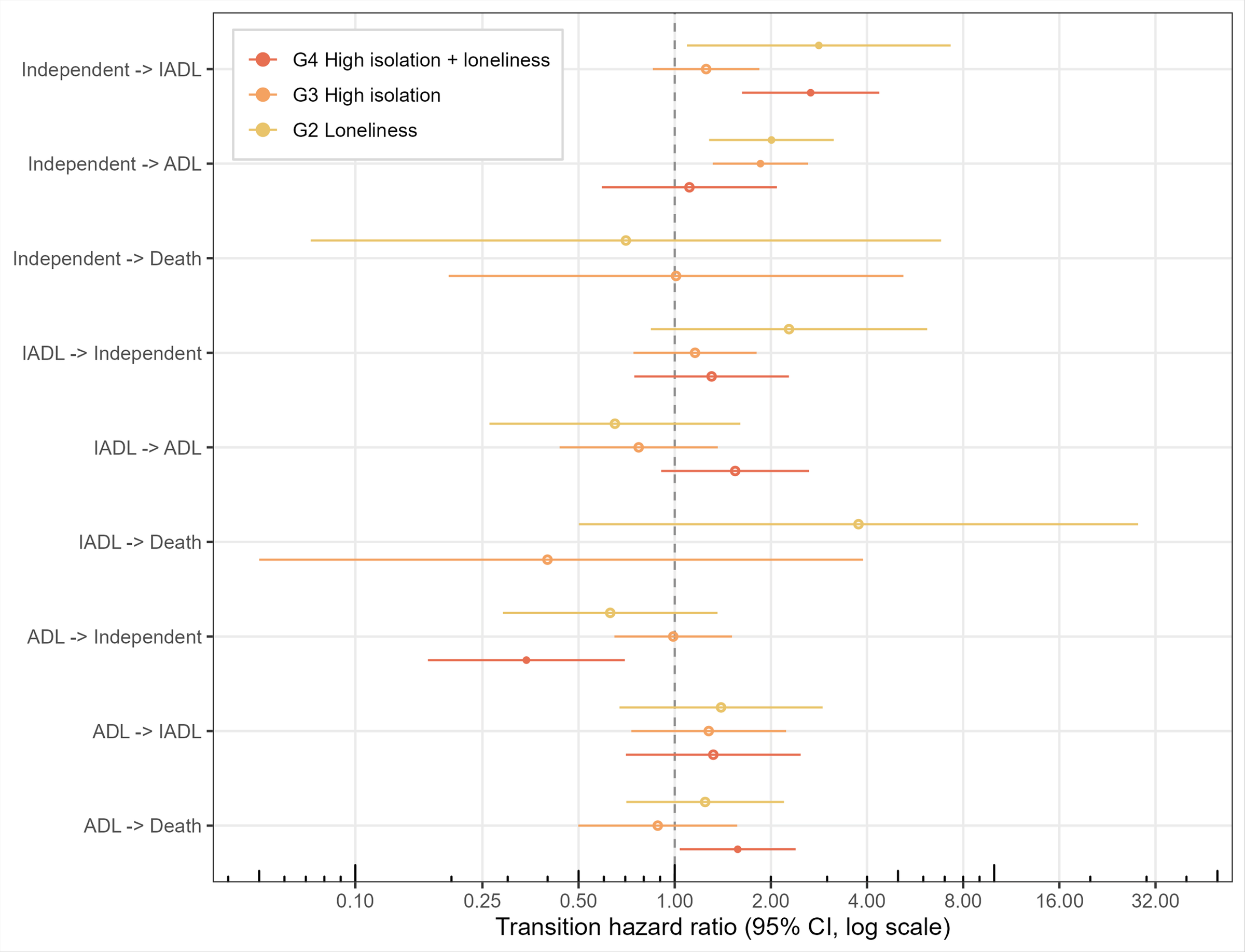
Compared with low isolation and no loneliness, loneliness alone was linked to the onset of limitations in tasks needed to live independently or basic self-care. Having both isolation and loneliness was linked to faster onset of limitations in tasks needed to live independently, a 66% lower rate of recovery from basic self-care limitations to independence, and higher mortality after basic self-care limitations developed.
Why it matters
Social connection may be a modifiable target for preserving daily functioning as adults with several of these long-term conditions age.
Caveats
The observational analysis cannot show causation, and independent years were modelled rather than directly observed. The study is a preprint and has not been peer-reviewed.
From the paper
- Participants
We studied 1,731 adults aged ≥ 45 with CMM (≥ 2 of hypertension, dyslipidaemia, diabetes, heart disease or stroke) from waves 1–5 (2011–2020) of the China Health and Retirement Longitudinal Study.
- Result
Loneliness was linked to deterioration onset (G2 vs G1: independence→IADL limitation hazard ratio [HR] 2.83, 95% confidence interval [CI] 1.09–7.31; independence→ADL limitation 2.01, 1.28–3.15).
Quoted word for word from the full text on researchsquare.com.
- Loneliness
- Social isolation
- Social isolation and loneliness
- Cardiometabolic multimorbidity
- Diabetes mellitus
- Humans
The paper
Tianjin Chest Hospital
Research Square, 11 Oct 2026, Preprint, not peer-reviewed