A Bioinspired Nanomedicine for Thermo-Catalytic Reprogramming of Obese Fat
Abstract
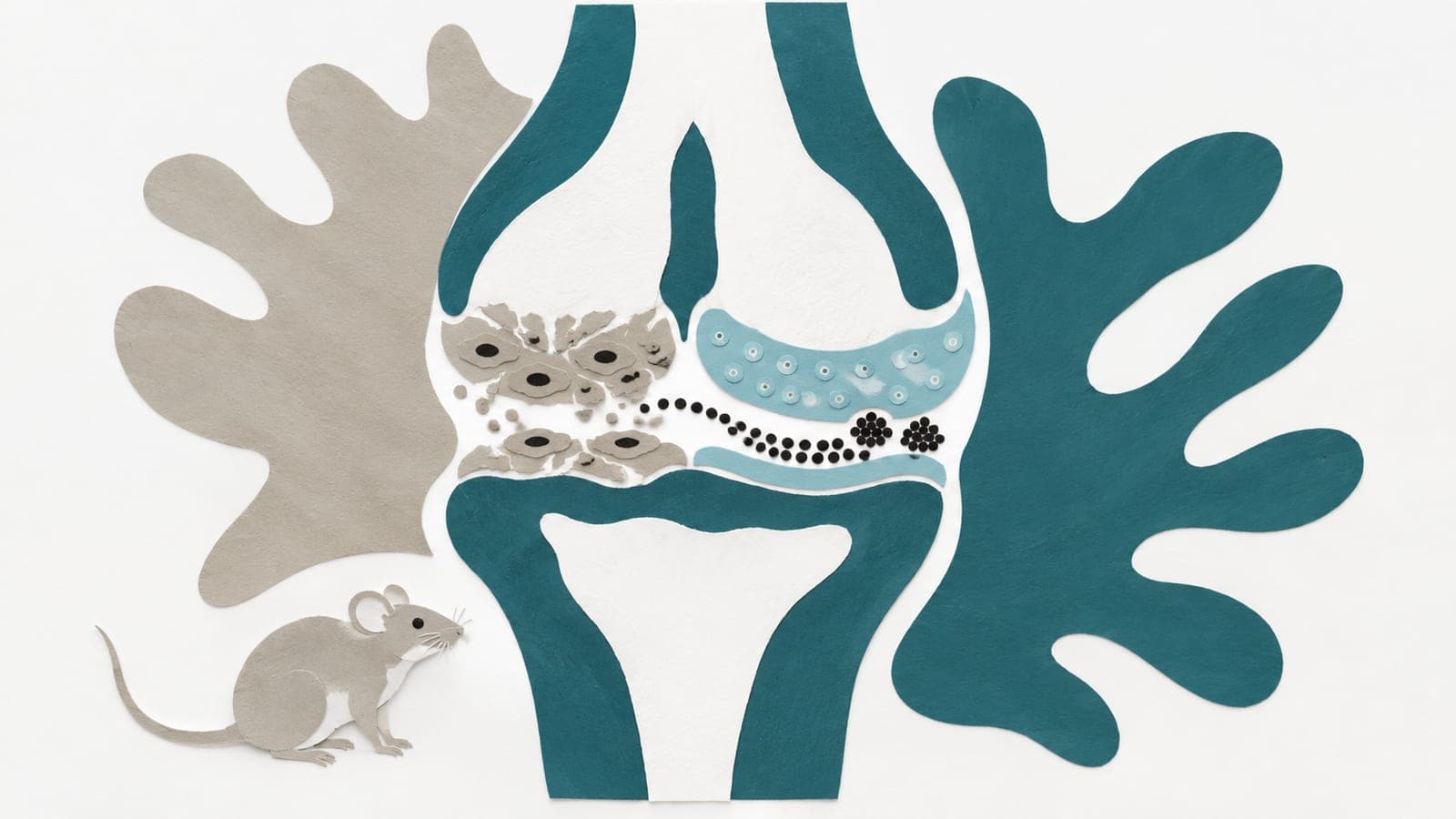
Obesity is sustained by a self-reinforcing pathological microenvironment within white adipose tissue (WAT), characterized by a triad of hypoxia, oxidative and nitrosative stress, and chronic inflammation. However, current anti-obesity therapies target appetite regulation or nutrient absorption without directly correcting this local dysfunction. Here, we report a bioinspired organic single-atom nanozyme for localized thermocatalytic reprogramming of obese adipose tissue. The nanomedicine comprises atomically dispersed ruthenium catalytic centers embedded within a polydopamine framework (Ru@PDA), integrating enzyme-mimetic catalytic activity, antioxidant function, and NIR-II photothermal responsiveness into a single biocompatible platform. Delivered via an injectable crosslinked hyaluronic acid hydrogel for sustained retention in subcutaneous WAT, Ru@PDA exhibits superoxide dismutase- and catalase-like activities, efficiently scavenges reactive oxygen and nitrogen species, alleviates hypoxia, and generates mild hyperthermia to activate thermogenic signaling. These synergistic effects remodel the pathological adipose microenvironment, promoting adipocyte browning, lipolysis, adiponectin secretion, and anti-inflammatory macrophage polarization. In diet-induced obese mice, localized treatment reduced subcutaneous WAT (∼66%), distal visceral fat (∼68%), and body weight (∼16.9%), while largely restoring glycometabolic homeostasis and alleviating systemic oxidative stress and inflammation. Collectively, this work establishes thermo-catalytic reprogramming of the pathological adipose microenvironment as a promising therapeutic strategy for obesity and related metabolic disorders.
The paper
Nanyang Technological University
Advanced Healthcare Materials, 14 Oct 2026