One in nine men with prostate cancer had high hip fracture risk
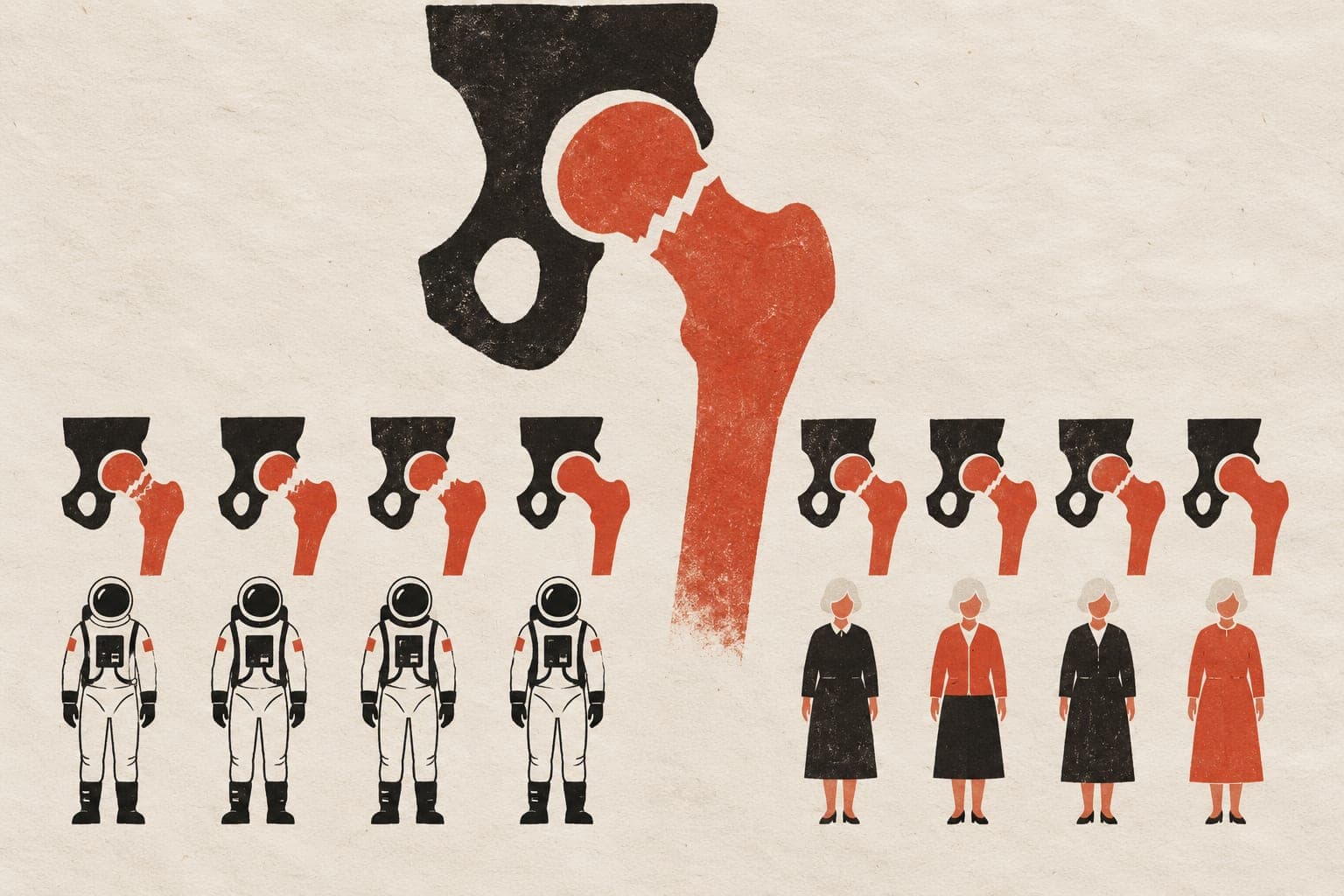
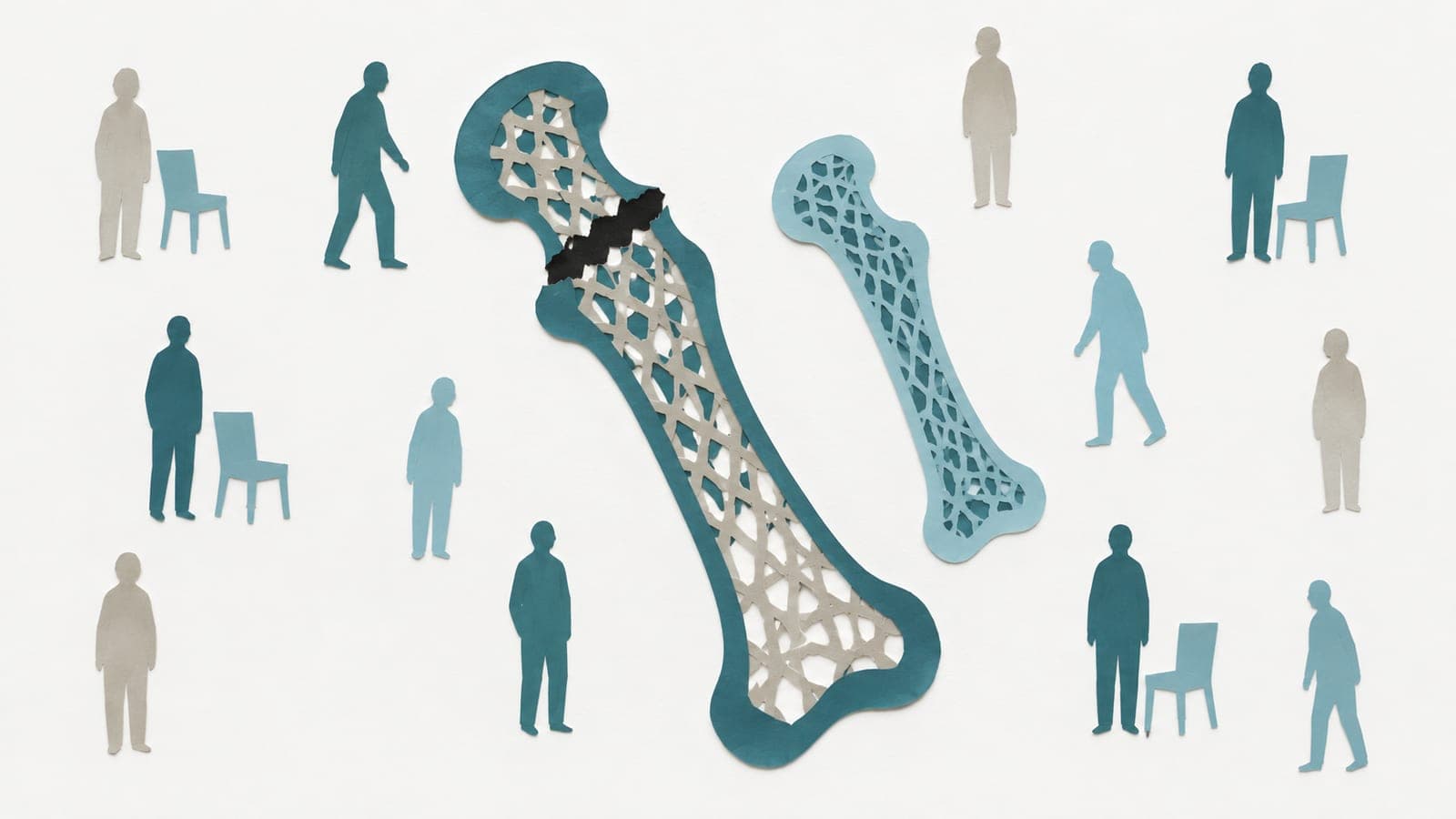
High ten-year hip fracture risk affected 11.6% of newly diagnosed men, rising to 20.5% in those aged 65 and older.
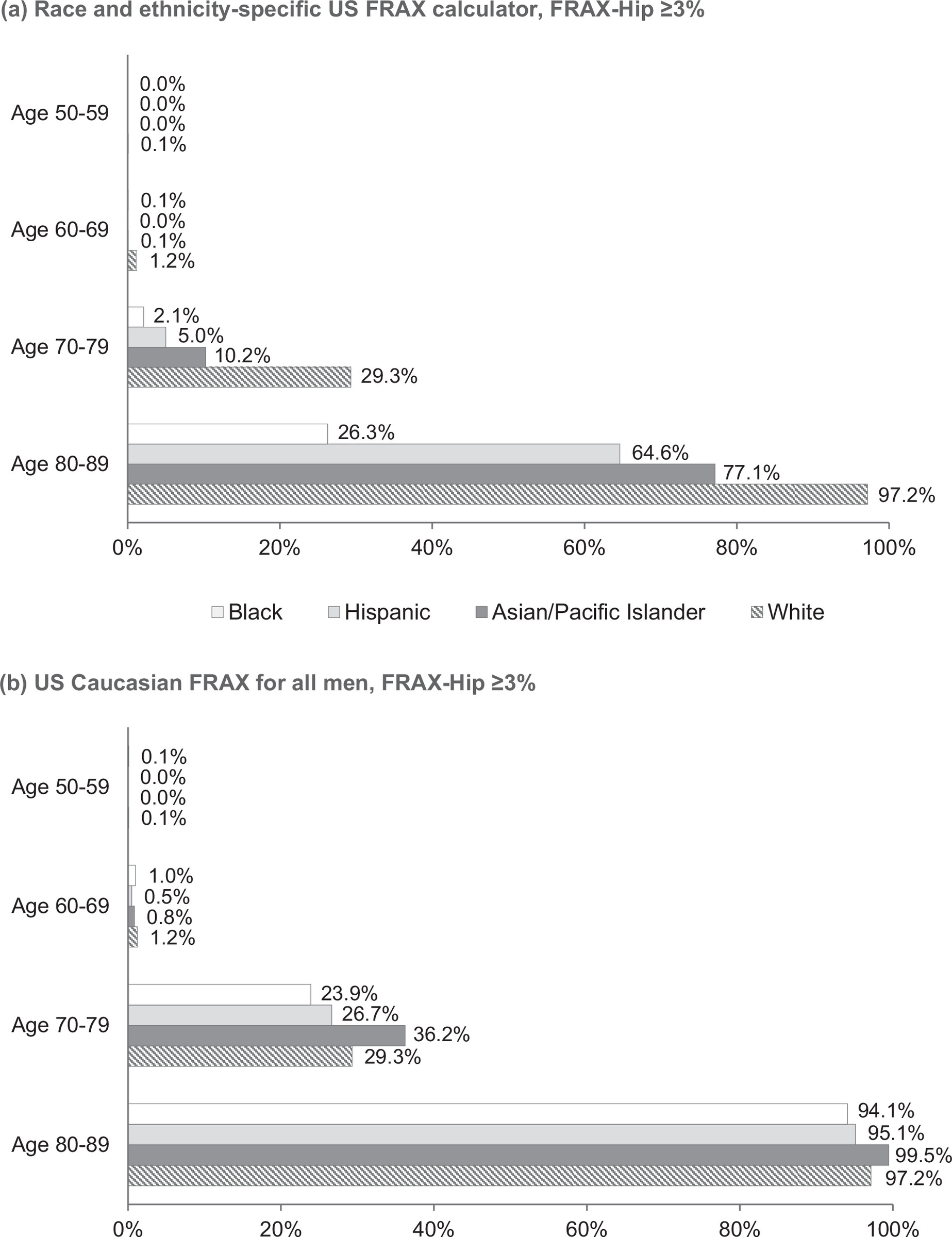
In an observational cohort study, researchers analysed 25,413 men aged 50 to 89 years with newly diagnosed prostate cancer in a US integrated healthcare system. They calculated ten-year fracture risks from health records without bone density measurements. Overall, 11.6% of the men had a high hip fracture risk of at least 3%, whereas only 0.2% had a high risk of major osteoporotic fracture.
Age was a major risk factor. High hip fracture risk affected 20.5% of men aged 65 or older and 87.3% of men aged 80 to 89. Calculated risk differed by race and ethnicity, reaching 15.5% in White men, 7.3% in Asian or Pacific Islander men, 4.8% in Hispanic men, and 1.4% in Black men. Removing ethnic calibrations raised these estimates to 14.9% for Asian or Pacific Islander men, 10.9% for Hispanic men, and 8.1% for Black men.
Why it matters
Prostate cancer and bone loss both become more common with age, and prostate cancer treatments such as androgen deprivation therapy can further elevate fracture risk. Routine fracture risk evaluation at diagnosis may help clinicians identify vulnerable older men and protect bone health during subsequent care.
Caveats
The analysis relied on calculated risk scores without bone mineral density measurements rather than tracking actual fractures. Because the cohort included only men aged 50 to 89 within a single US healthcare system, the results do not apply to younger men, women, or other healthcare settings.
The paper
Fracture risk and fracture risk factor assessment among men at prostate cancer diagnosis
Department of Urology; Division of Research
Prostate Cancer and Prostatic Diseases, 14 Oct 2026