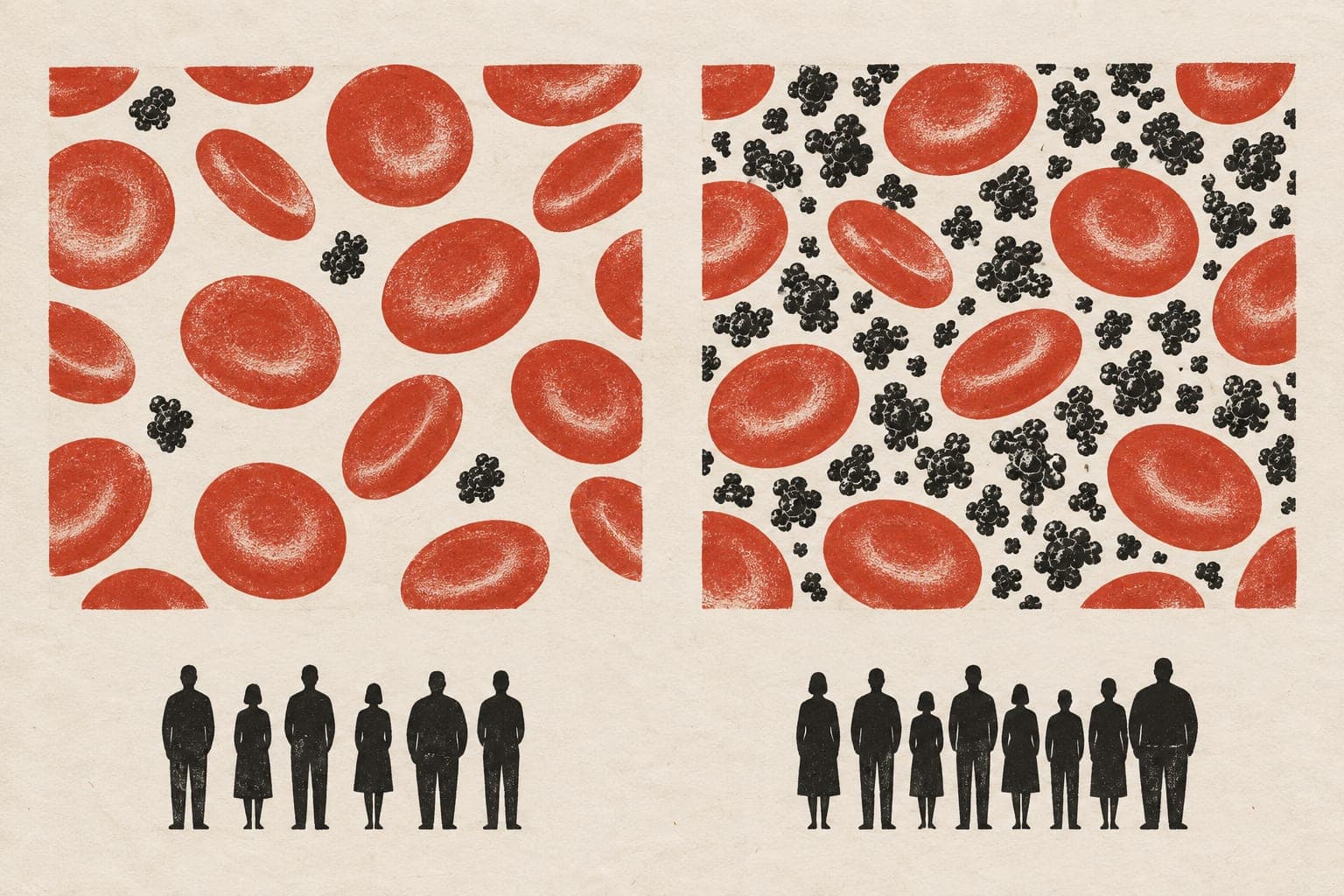
Severe vitamin D deficiency is linked to higher death rates
Across two large health record databases followed for up to a decade, severely low vitamin D was tied to higher mortality, with hazard ratios of 2.57 and 1.59.
Aging Cell
Researchers analysed electronic health records from more than 468,500 adults in an Israeli healthcare system and over 223,000 matched pairs of adults in a US network. The participants were about 54 years old, roughly two-thirds female, and tracked for up to 10 years.
In both groups, severe vitamin D deficiency, defined as blood levels under 10 nanograms per millilitre, was associated with higher all-cause mortality compared with sufficient levels above 30 nanograms per millilitre. It was also linked to increased risks of several age-related conditions. In the Israeli records, vitamin D supplementation equivalent to raising blood levels by more than 10 nanograms per millilitre was linked to a lower mortality risk, with a hazard ratio of 0.72.
Why it matters
The findings suggest that low vitamin D levels may be a modifiable risk factor for vulnerability to age-related illness and earlier death. Understanding this link may help researchers test whether targeted supplementation can preserve resilience during aging.
Caveats
The study was observational and relied on electronic health records, so it cannot prove that vitamin D deficiency directly caused the higher death rates. Factors such as outdoor activity, overall health, and diet may also influence both vitamin D levels and long-term health.
The paper
Tel Aviv University · Leumit Research Institute
Aging Cell · 1 Oct 2026