Early-life risks had weaker disease links with healthy lifestyles
An observational study of 174,718 UK adults over a median 14.6 years found weaker links between early-life risks and disease progression among those with healthier lifestyles.
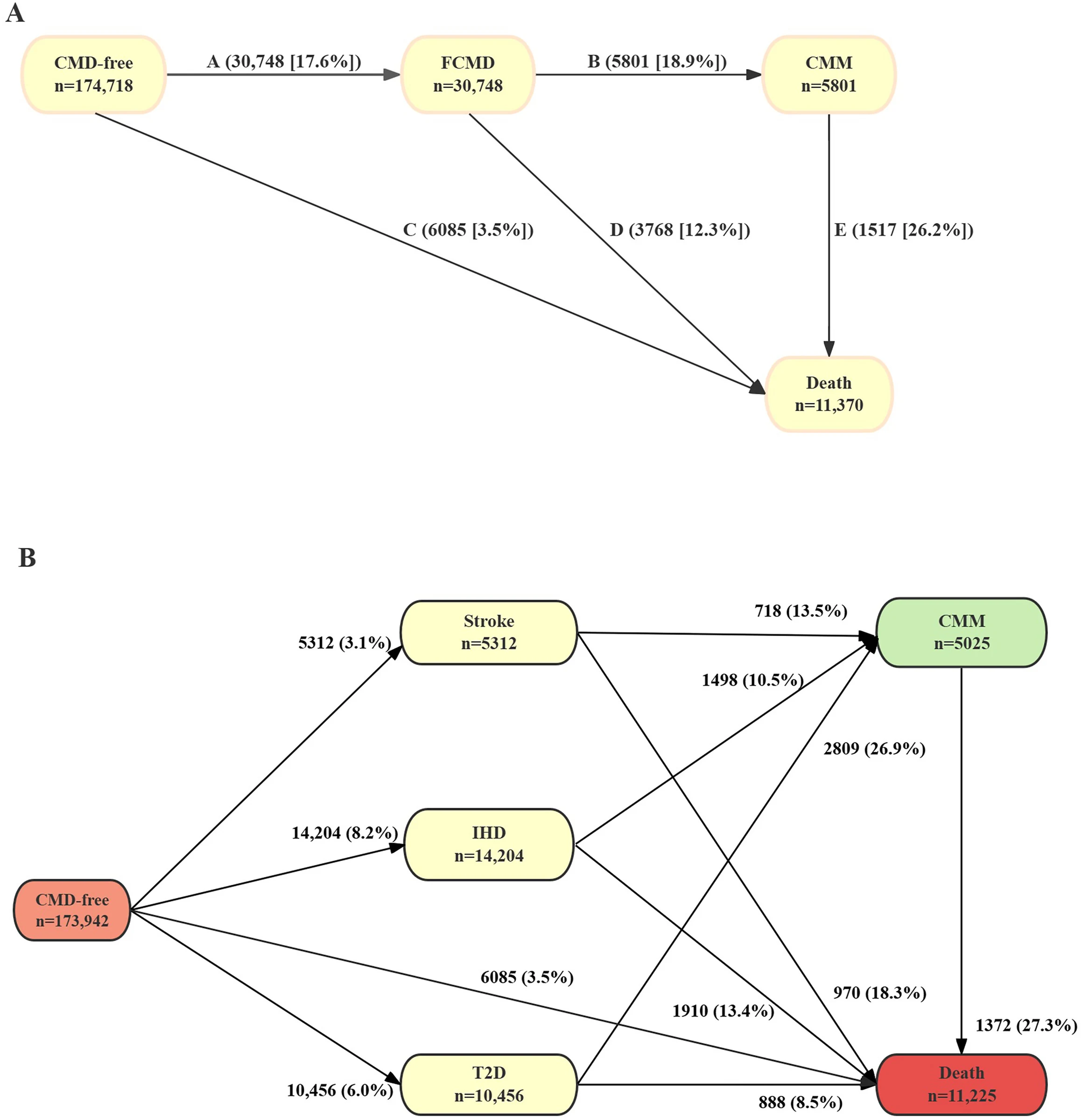
An observational cohort study followed 174,718 adults in the UK Biobank, whose median age at enrolment was 55 years. Researchers assessed three early-life risks: low birth weight, maternal smoking around birth and no human milk feeding in infancy. They scored adult lifestyles using four behavioural measures. They tracked stroke, ischaemic heart disease—reduced blood supply to the heart—and type 2 diabetes, including progression from one condition to multiple conditions.
During a median 14.6 years, participants with at least two early-life risks and unhealthy adult lifestyles had the highest risks of most adverse changes, including a first disease, multiple diseases and death without these diseases or after a first diagnosis. For most changes in disease status, early-life risks had weaker associations among those with healthy adult lifestyles than among those with unhealthy lifestyles.
Why it matters
The study addressed how early-life exposures and adult habits relate to the accumulation of long-term diseases as people grow older.
Caveats
This observational study cannot establish that changing adult habits reduces risks associated with early life. The findings concern adults participating in the UK Biobank.
The paper
Sheng Jing Hospital; Harvard Pilgrim Health Care
The American Journal of Clinical Nutrition, 1 Oct 2026