Four health profiles linked to heart disease and diabetes risks
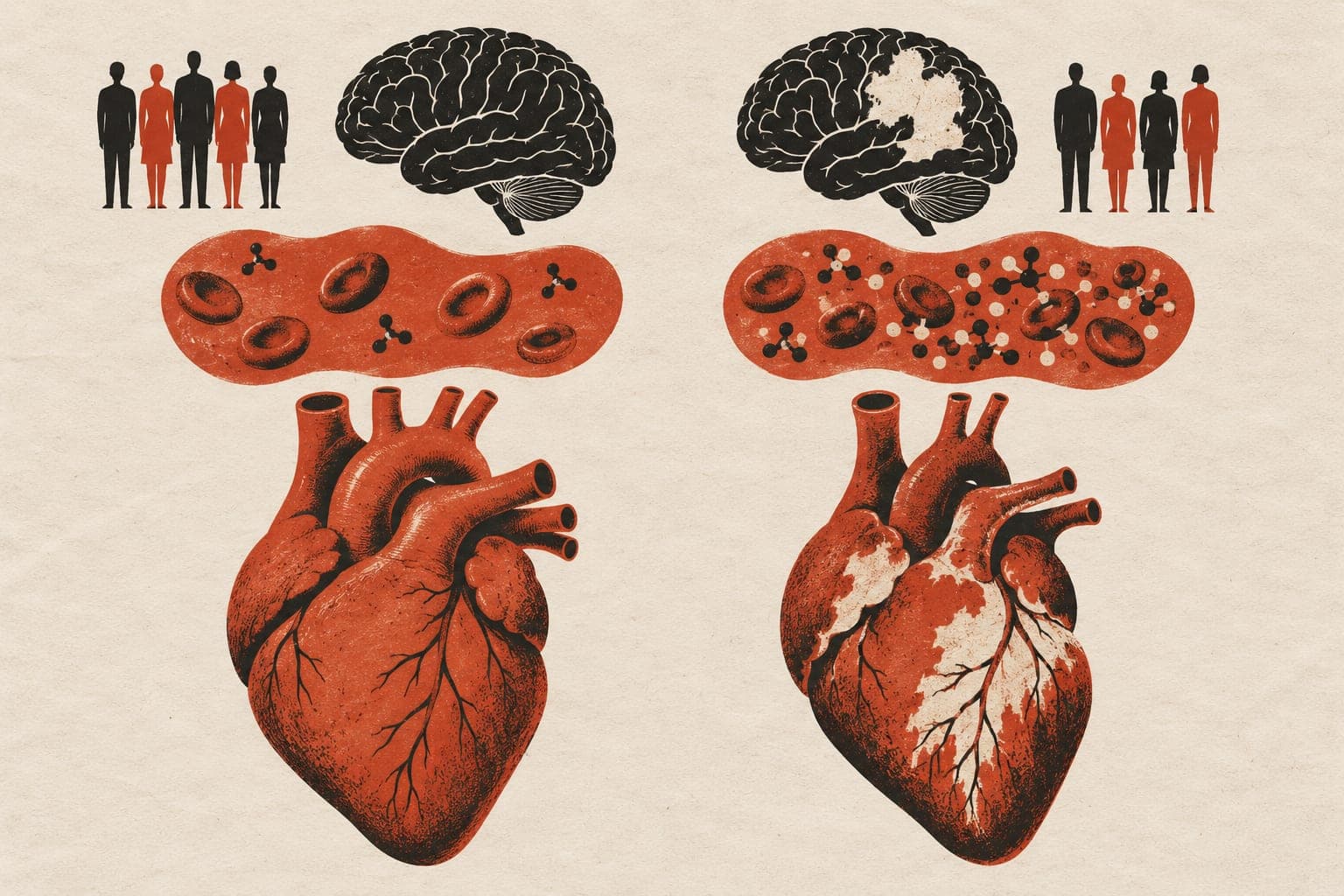
An observational study followed 337,334 UK Biobank participants for a median of approximately 13 years and linked groups based on routine health measures to differing disease progression.
Diabetes, Obesity & Metabolism
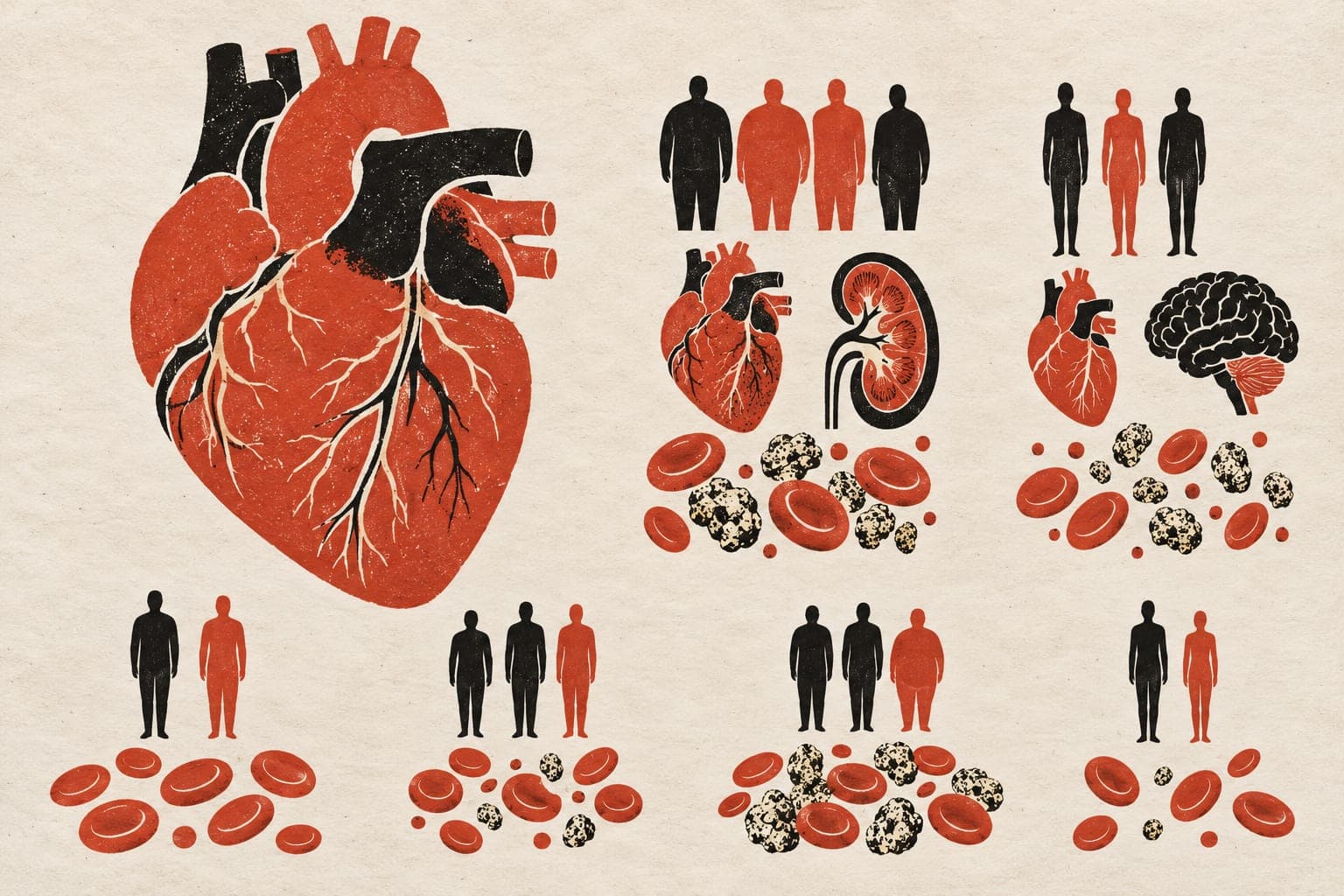
Researchers analysed 337,334 UK Biobank participants who initially had no type 2 diabetes, ischaemic heart disease—heart disease caused by reduced blood supply—or stroke. In this observational study, they used 12 routine health measures to identify four groups. They tracked progression to a first cardiometabolic disease, meaning type 2 diabetes, heart disease or stroke, as well as multiple such diseases and death.
The older group characterised by heart, kidney and metabolic features had the highest risks of a first disease and progression to multiple diseases. Lean participants with high cholesterol had stronger relative links to heart disease and stroke than to type 2 diabetes. Accounting for age weakened several associations in these two groups, especially with heart disease and stroke. Links to type 2 diabetes remained largely unchanged.
Why it matters
The study addressed how age and routine health measures relate to the accumulation of diabetes, heart disease and stroke, a question relevant to health in later life.
Caveats
This observational study could not establish that the profiles caused disease progression. The authors described the groups as exploratory and said they needed external validation.
The paper
Show 7 more authors
Qingyuan Gao, Jingwei Gao, Qian Chen, Jingfeng Wang, Yangxin Chen, Haifeng Zhang, Jingting Mai,Sun Yat-Sen Memorial Hospital
Diabetes, Obesity & Metabolism · 6 Oct 2026