The cGAS-STING signaling axis in Type 2 diabetes-associated cognitive decline: from mitochondrial DNA sensing to neurodegeneration
Abstract
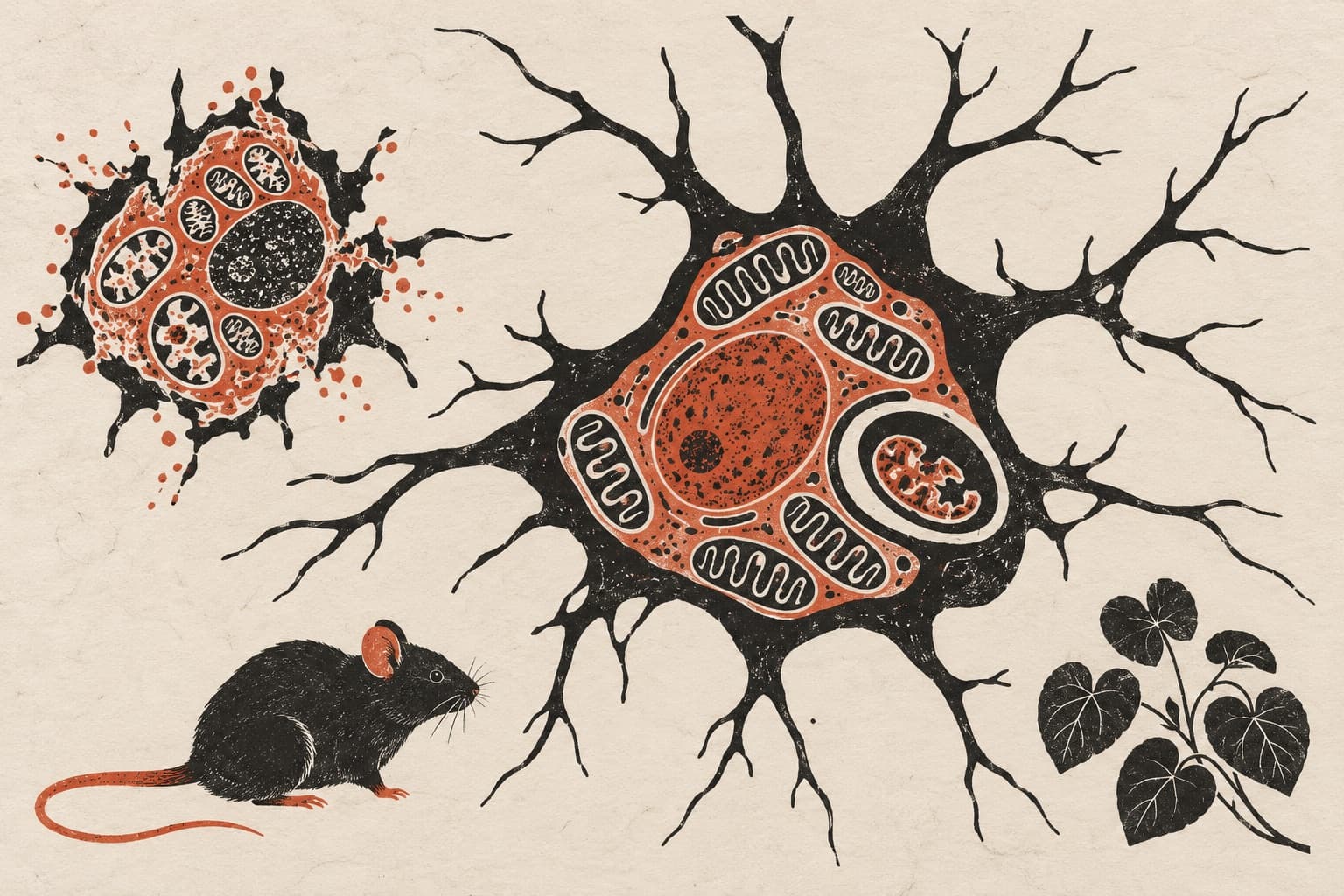
Type 2 diabetes mellitus (T2DM) is increasingly recognized as a major contributor to cognitive decline, substantially elevating the risk of dementia through mechanisms that extend beyond chronic hyperglycemia. Among the interconnected pathological processes underlying diabetic neurodegeneration, mitochondrial dysfunction has emerged as a pivotal upstream event that promotes oxidative stress, impairs mitophagy, and leads to the cytosolic release of mitochondrial DNA (mtDNA). Recent evidence identifies the cyclic GMP-AMP synthase-stimulator of interferon genes (cGAS-STING) pathway as a critical innate immune sensor that detects aberrant cytosolic mtDNA and orchestrates sustained neuroinflammatory responses. Activation of the cGAS-STING axis initiates TBK1/IRF3- and NF-κB-dependent signaling, driving the production of type I interferons and pro-inflammatory cytokines that amplify glial activation, compromise blood-brain barrier (BBB) integrity, disrupt synaptic homeostasis, and suppress adult hippocampal neurogenesis, ultimately contributing to progressive cognitive impairment. Although the cGAS-STING pathway has been extensively investigated in infection, cancer, and autoimmune disorders, its mechanistic contribution to diabetes-associated cognitive decline remains insufficiently synthesized. This review proposes cGAS-STING as a central molecular hub that integrates mitochondrial damage with innate immune activation, thereby linking metabolic dysfunction to neurodegeneration. We critically evaluate current experimental and emerging clinical evidence and examine the interplay among cGAS-STING, mitochondrial quality control, neurovascular dysfunction, and key signaling networks, including AMPK/SIRT1/PGC-1α, the NLRP3 inflammasome, PI3K/Akt-mTOR, and autophagy. Finally, we discuss the therapeutic potential of targeting the cGAS-STING axis and identify major knowledge gaps that must be addressed to facilitate biomarker development and the development of disease-modifying interventions for T2DM-associated cognitive decline.
The paper
Patna Medical College and Hospital; Government Pharmacy Institute
Acta Diabetologica, 12 Oct 2026