Poor appetite and inflammation linked to mobility loss
Over up to six years, 64% of participants aged 70–79 with poor appetite developed lasting mobility difficulties, compared with 47% with good appetite.
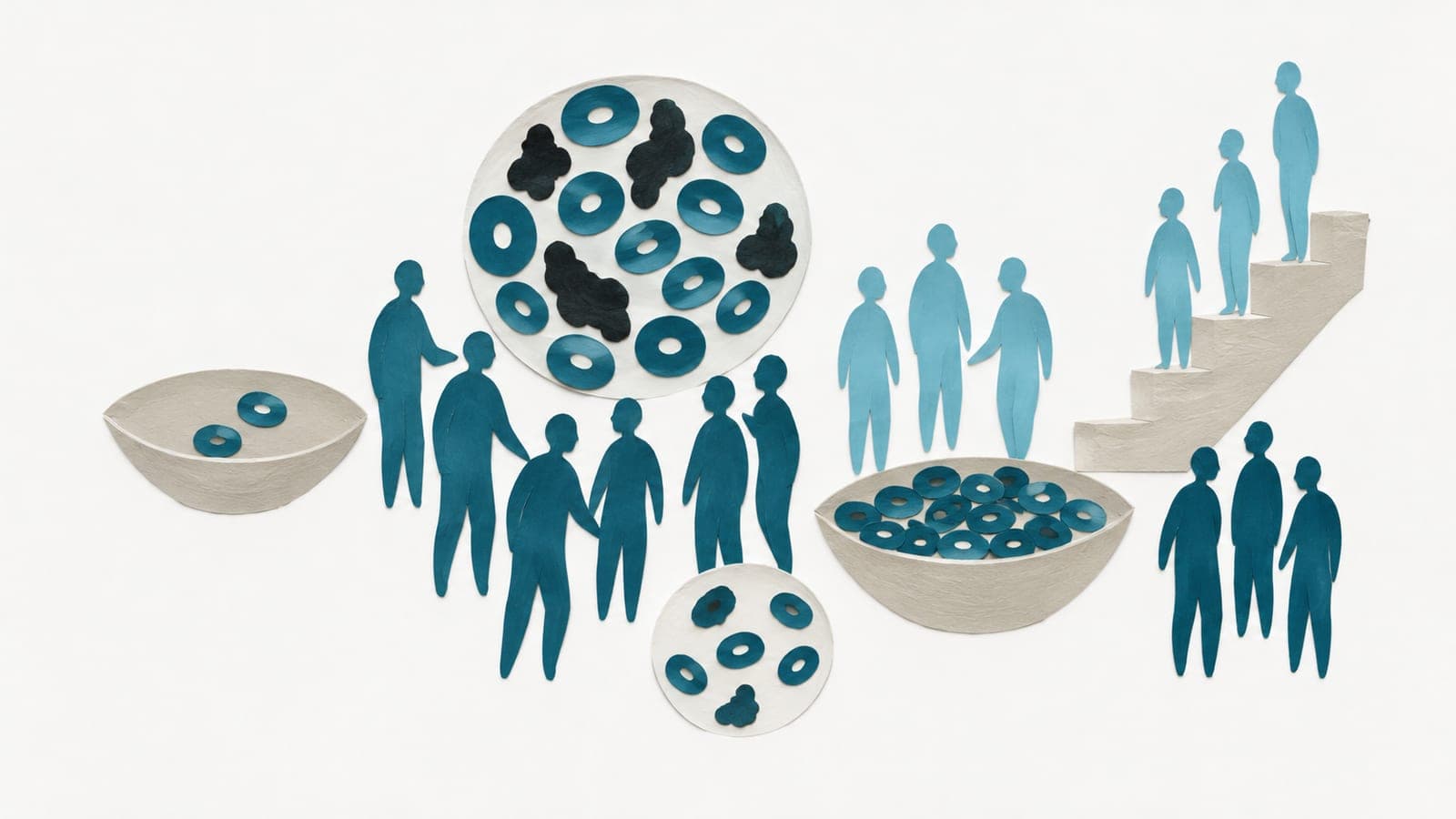
Researchers followed 3,073 men and women aged 70–79 for up to six years in an observational study. At the start, participants reported whether their appetite was good or poor, and researchers measured three markers of inflammation. They defined lasting mobility loss as two consecutive reports, six months apart, of difficulty walking a quarter mile or climbing 10 steps without resting.
Poor appetite was linked to a higher risk of mobility loss after adjustment for factors including chronic diseases, anxiety and depression. Elevated inflammation markers were independently linked to mobility loss. Participants with poor appetite also had higher levels of all three markers.
Why it matters
Aging is associated with reduced appetite and increased inflammation. The findings suggest that poor appetite might signal a need for early nutritional and supportive care.
Caveats
The observational design cannot show that poor appetite or inflammation caused mobility loss. The outcome relied on participants’ reports of difficulty walking or climbing stairs.
From the paper
- Participants
Data from 3073 men and women aged 70–79 years participating in the Health, Aging …
- Follow-up
… and Body Composition (Health ABC) with reported appetite (good or poor) and inflammatory markers (Interleukin (IL)-6, tumor necrosis factor (TNF)-α and C-reactive protein (CRP)) at baseline were followed for up to 6 years to determine if they developed Persistent Lower Extremity Limitation (PLL) …
- Result
Subjects with impaired appetite experienced a higher risk of developing PLL (hazard ratio, adjusted = 1.44; 95% CI = 1.2, 1.7), as did those with elevated inflammatory markers.
Quoted word for word from the full text on agsjournals.onlinelibrary.wiley.com.
The paper
Appetite Loss, Inflammation, and Incident Functional Loss Among Community-Dwelling Older Adults
UConn Center on Aging
Journal of the American Geriatrics Society, 12 Oct 2026