Bone marrow adipose tissue in cardiometabolic disease: marrow niche remodeling, inflammatory hematopoiesis, and vascular pathology
Abstract
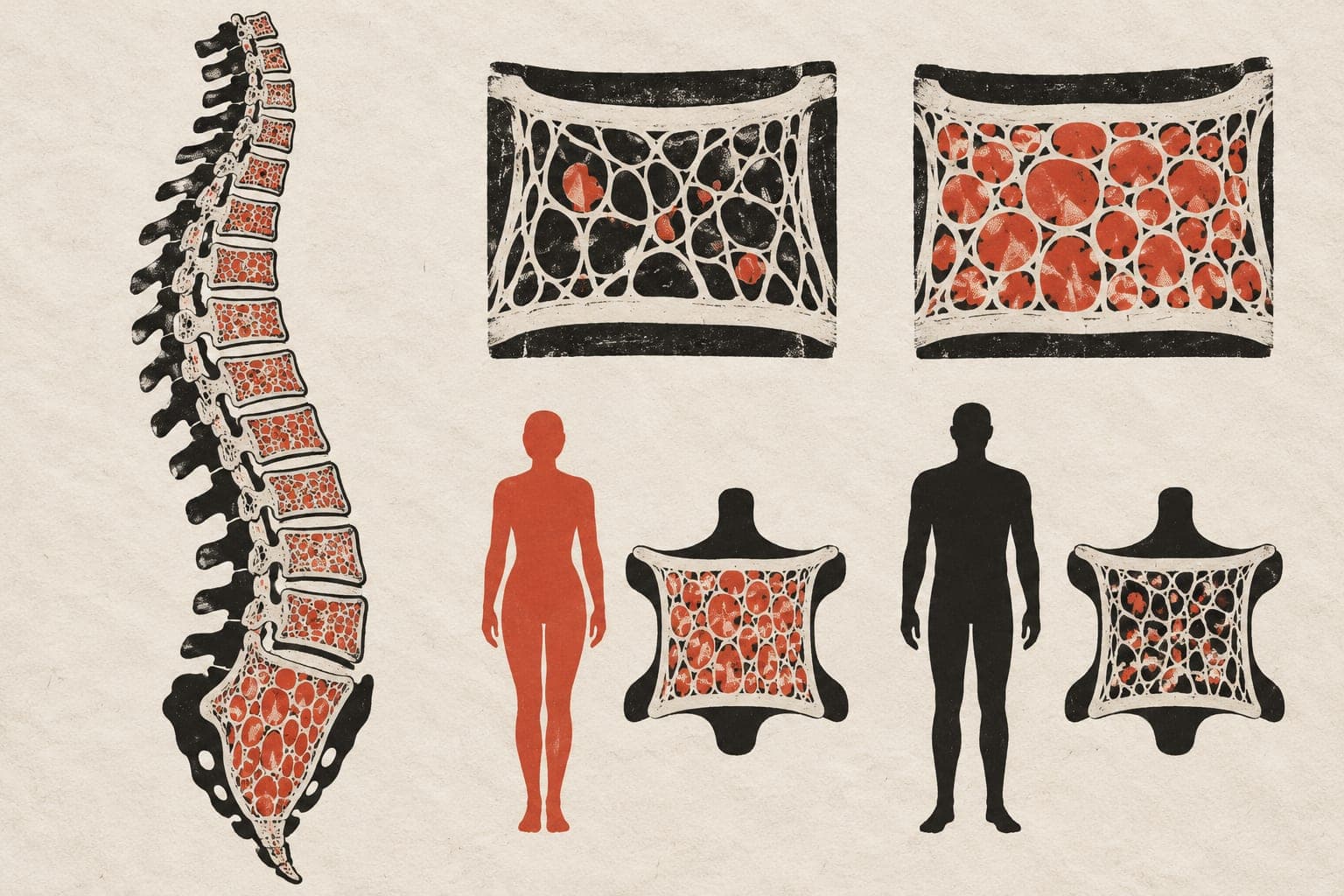
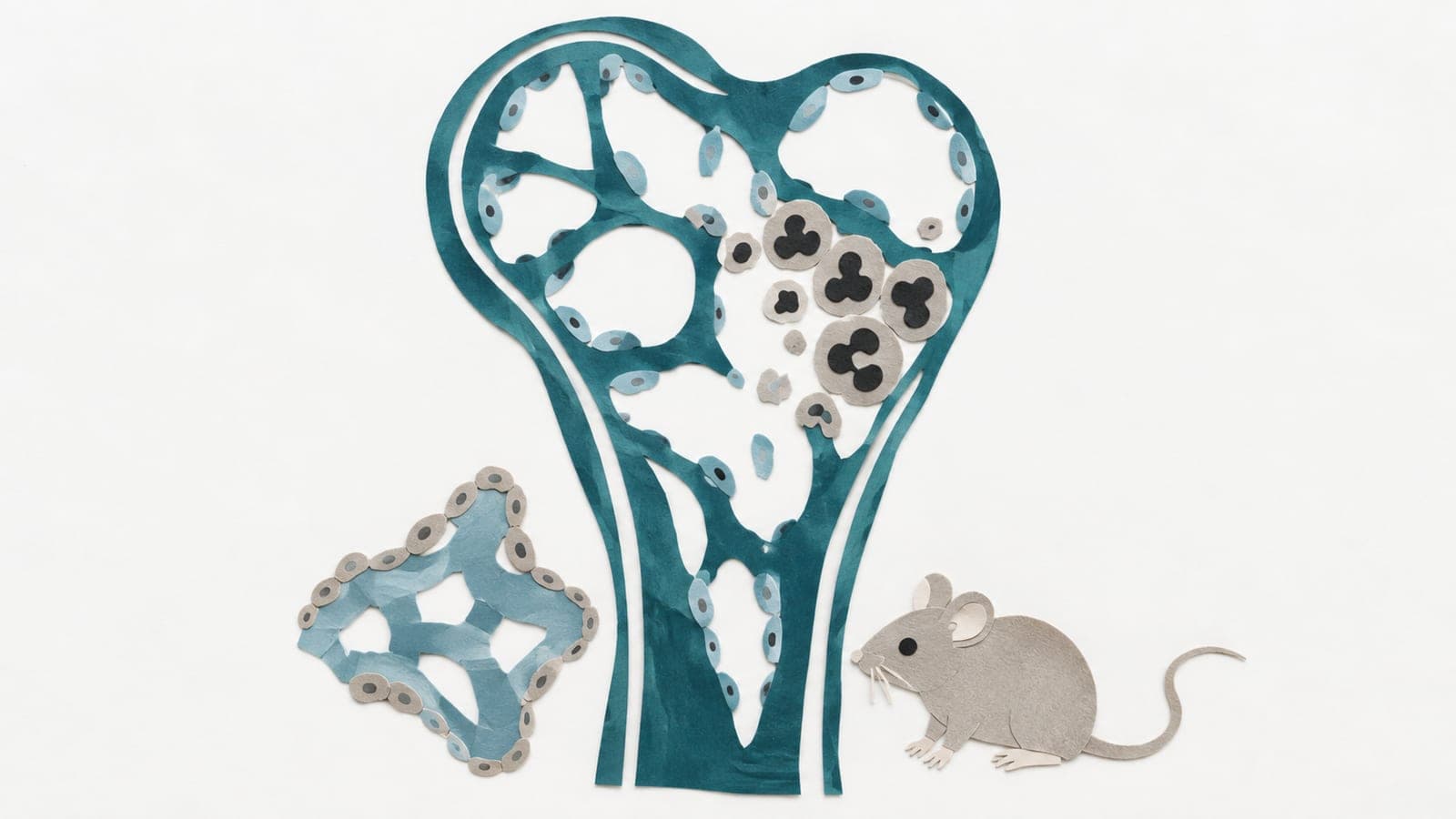
Bone marrow adipose tissue (BMAT) is increasingly recognized as a metabolically active, endocrine, and immunomodulatory component of the marrow niche rather than a passive fat depot. This narrative review synthesizes biological, imaging, epidemiological, and therapeutic evidence linking BMAT and marrow metabolic activation with cardiometabolic disease. BMAT arises from marrow stromal progenitors and exhibits depot-specific heterogeneity, endocrine activity, insulin responsiveness, and context-dependent expansion during aging, diabetes, obesity, menopause, osteoporosis, and chronic kidney disease. Mechanistically, experimental studies indicate that marrow adipocytes and adipocyte-lineage niche cells can influence hematopoiesis through metabolic and local signaling, whereas trained immunity is established primarily in HSPCs, myeloid progenitors, and monocyte/macrophage populations. Human MRI/MRS studies characterize BMAT quantity and composition, whereas ¹⁸F-FDG PET reflects non-BMAT-specific marrow activation associated with vascular inflammation and early atherosclerosis; direct BMAT-cardiovascular evidence remains limited. Emerging population imaging and genetic analyses support BMAT as a disease-associated phenotype, particularly for osteoporosis and fractures. Interventions affecting metabolic, inflammatory, skeletal, or marrow pathways have differing degrees of BMAT-related evidence, and none has established that modifying BMAT improves cardiovascular outcomes. This review identifies BMAT as an emerging research phenotype while emphasizing that its causal, prognostic, and therapeutic relevance to cardiovascular disease remains unresolved.
The paper
Endocrine, 10 Oct 2026