THE AGING PURINOME: A PURINERGIC FRAMEWORK LINKING THE HALLMARKS OF AGING TO INFLAMMAGING
Abstract
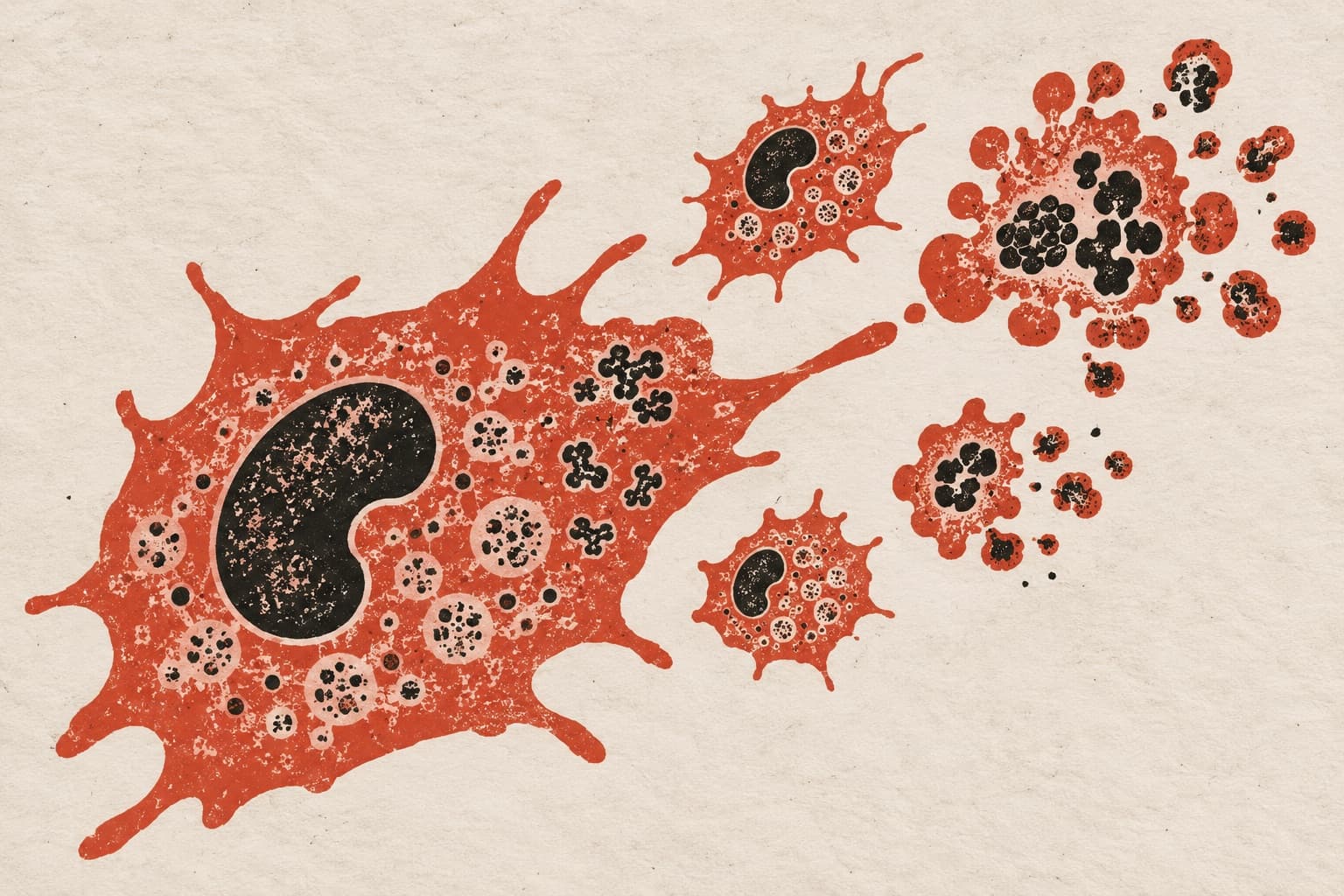
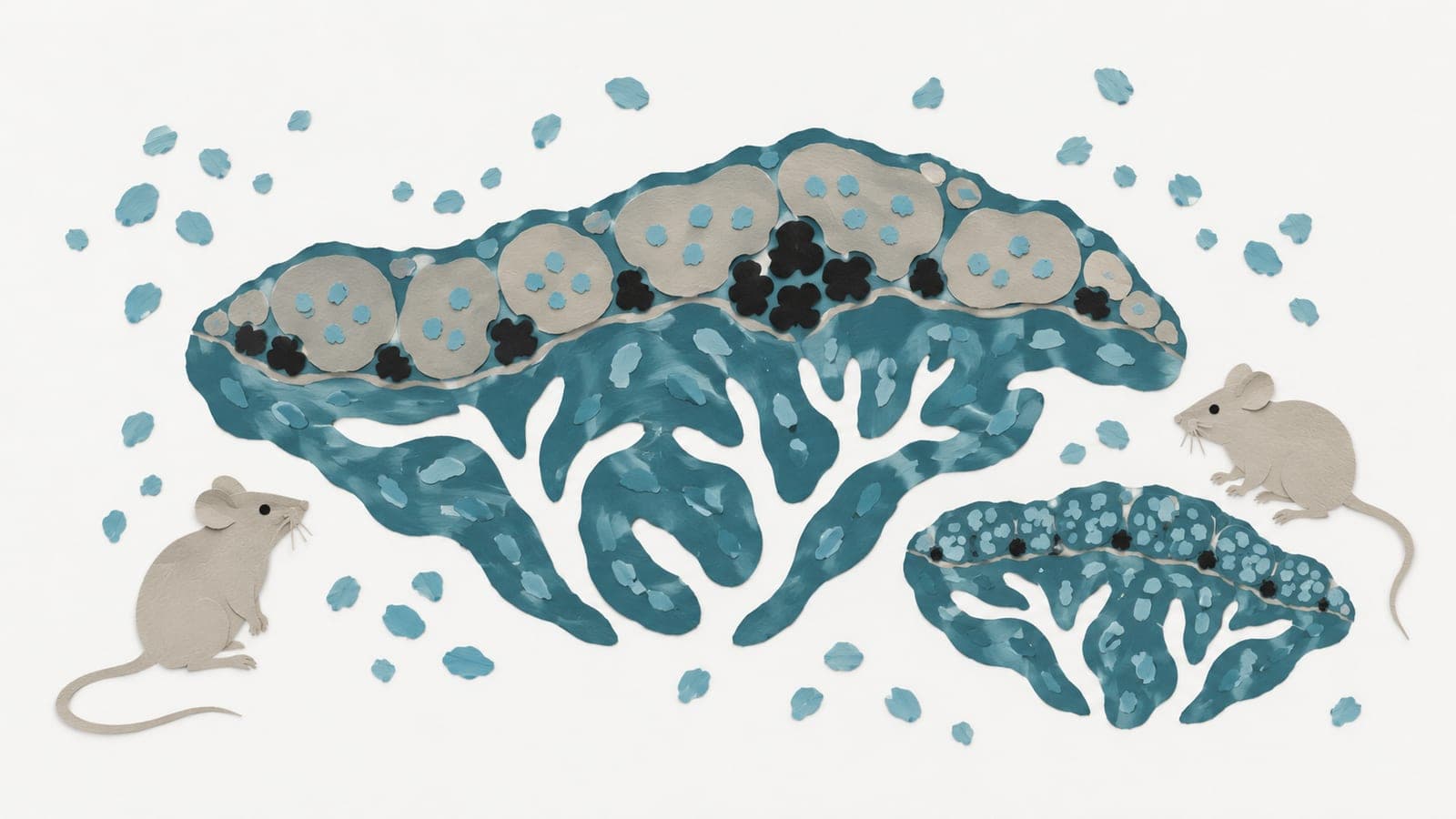
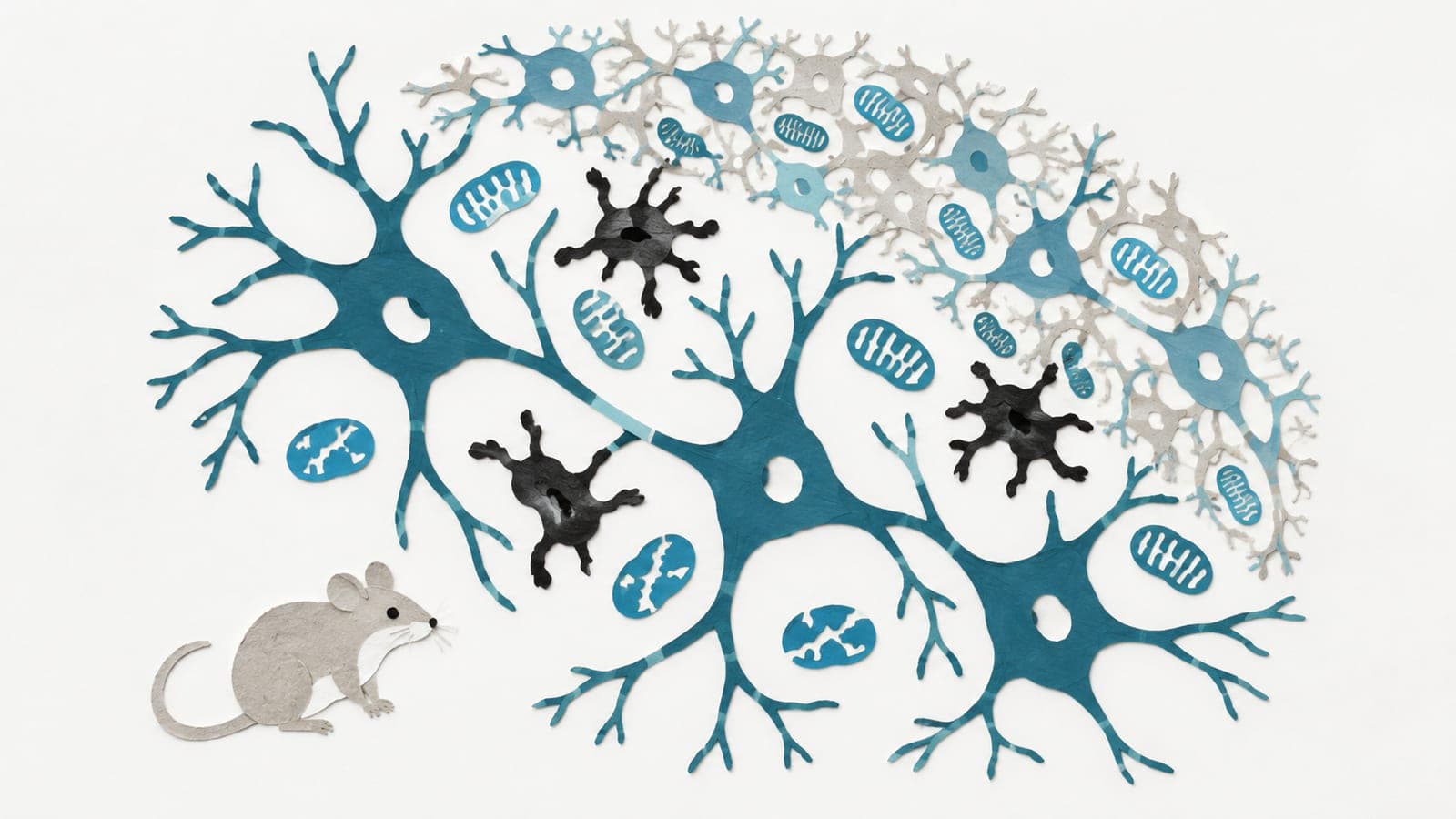
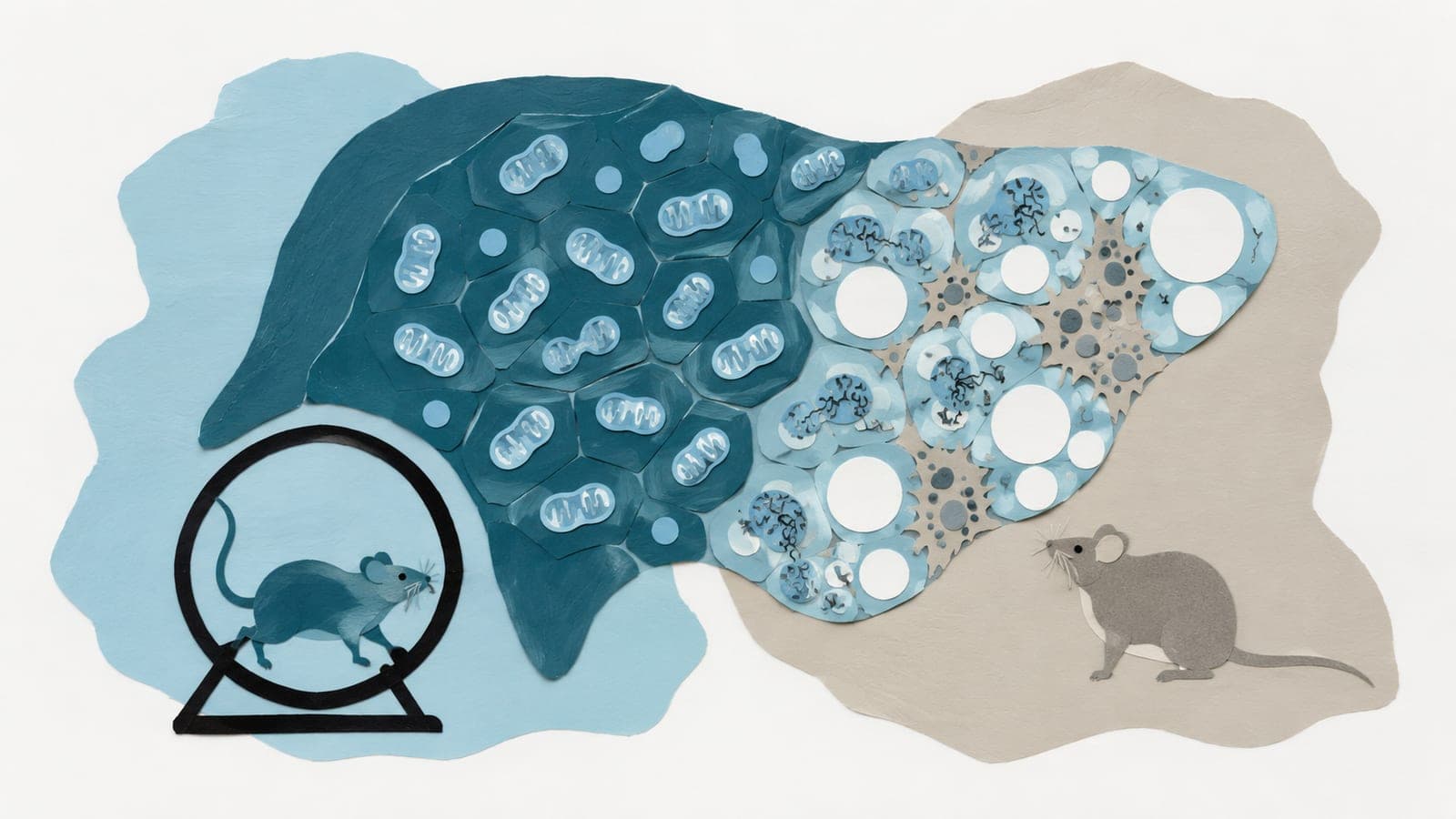
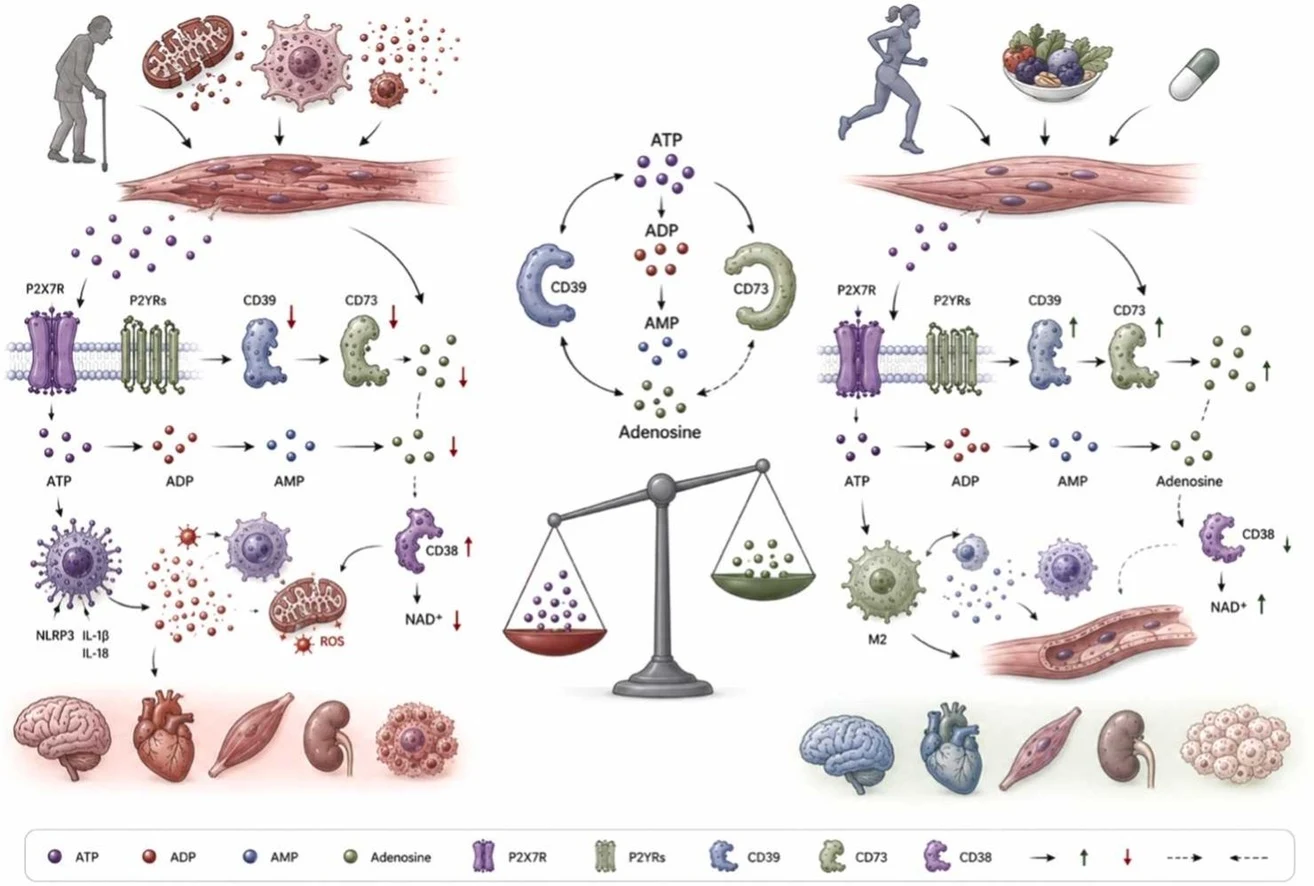
Aging is characterized by a progressive decline in cellular homeostasis accompanied by chronic, low-grade sterile inflammation, termed inflammaging, which contributes to the development of neurodegenerative, cardiometabolic, and neoplastic disorders. Although inflammaging represents a convergence point of multiple hallmarks of aging, the molecular networks linking these processes remain incompletely understood. Here, we propose the Aging Purinome as a systems-level framework describing the progressive, age-associated remodeling of extracellular purinergic signaling and its metabolic interfaces. This network encompasses extracellular nucleotides and nucleosides, nucleotide release and transport mechanisms, ectonucleotidases, P2X and P2Y receptors, adenosine receptors, and interconnected metabolic pathways. Available evidence indicates that aging alters extracellular ATP availability and produces receptor-, cell-, and tissue-specific changes across the P2X and P2Y receptor repertoire, together with dysregulation of the CD39-CD73-adenosine axis and increased CD38-dependent NAD+ consumption. Among these pathways, P2X7-NLRP3 signaling represents a well-characterized mechanism linking extracellular ATP to sterile inflammation, but it constitutes only one component of a broader purinergic remodeling process. We discuss how these changes may influence mitochondrial dysfunction, cellular senescence, altered intercellular communication, impaired inflammatory resolution, and age-related diseases. We further examine exercise, nutritional approaches, and pharmacological modulation of purinergic and NAD+-related pathways as potential strategies to restore homeostatic signaling. The Aging Purinome is therefore proposed as an integrative framework for investigating how age-dependent changes in purinergic communication may contribute to inflammaging and as a testable basis for future mechanistic and translational studies.
The paper
Community University of Chapecó Region - Unochapecó; Universidade Federal da Fronteira Sul
Ageing Research Reviews, 10 Oct 2026