Depleted before the dose: the mitochondrial vulnerability threshold hypothesis for fluoroquinolone-associated multisystem toxicity
Abstract
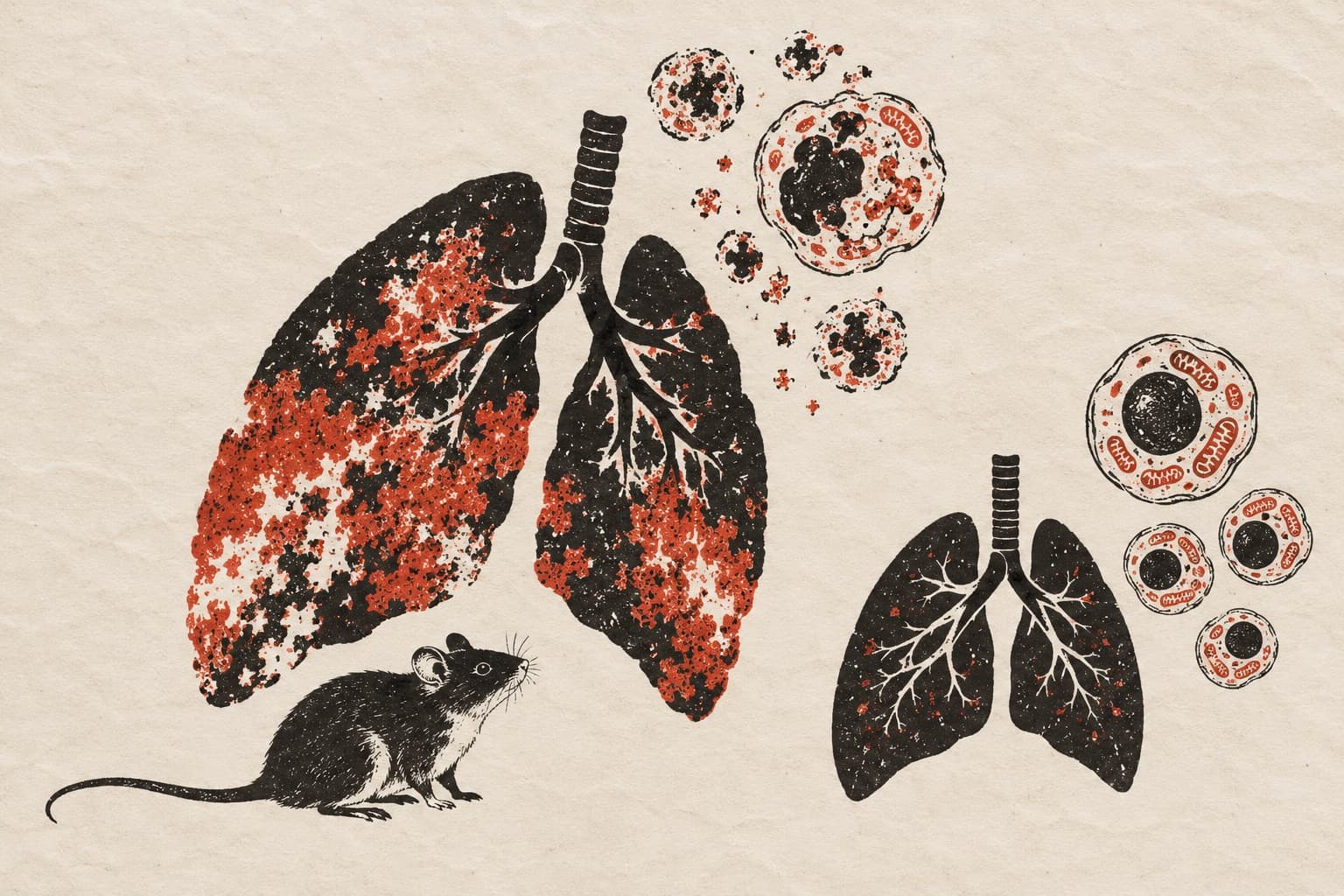
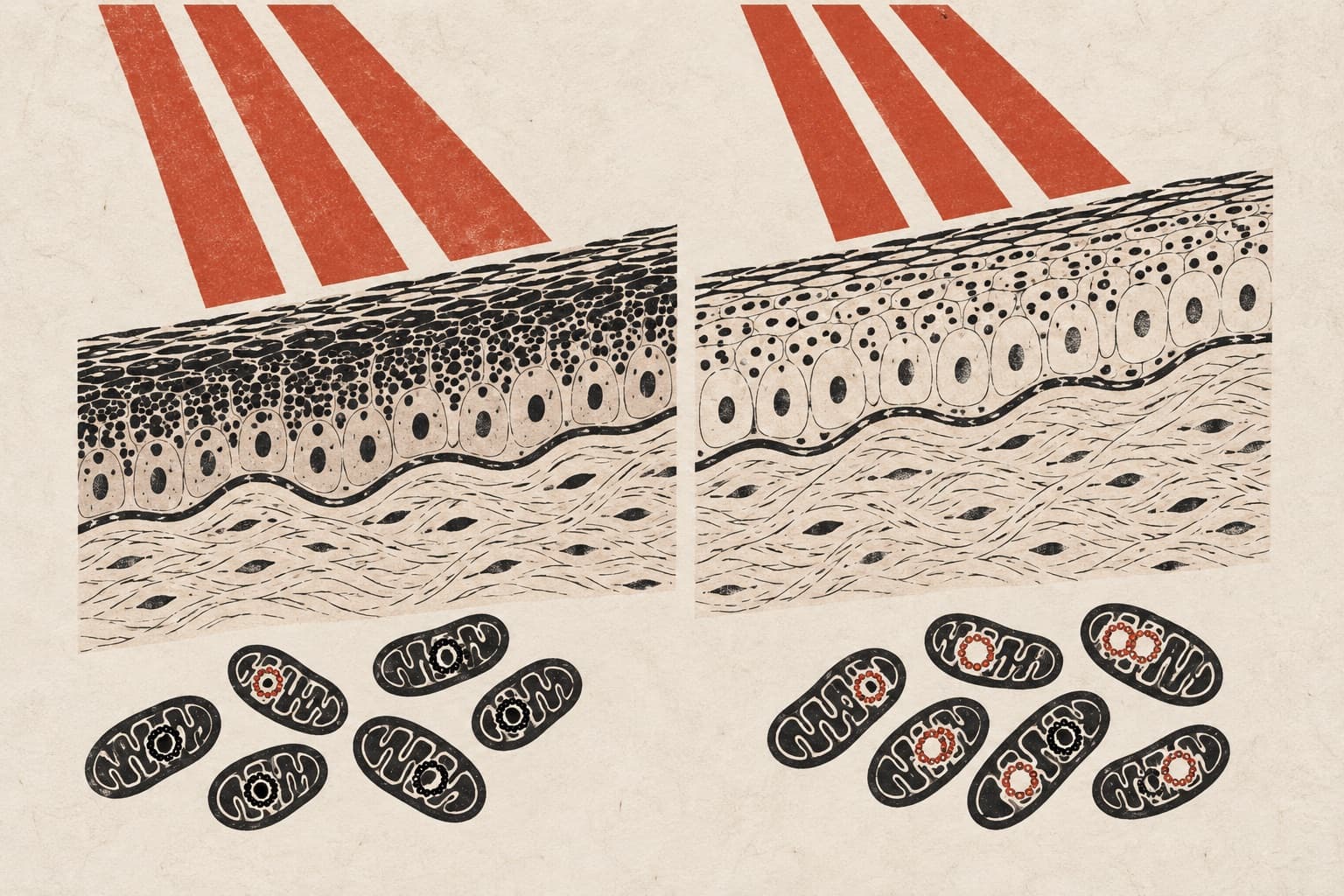
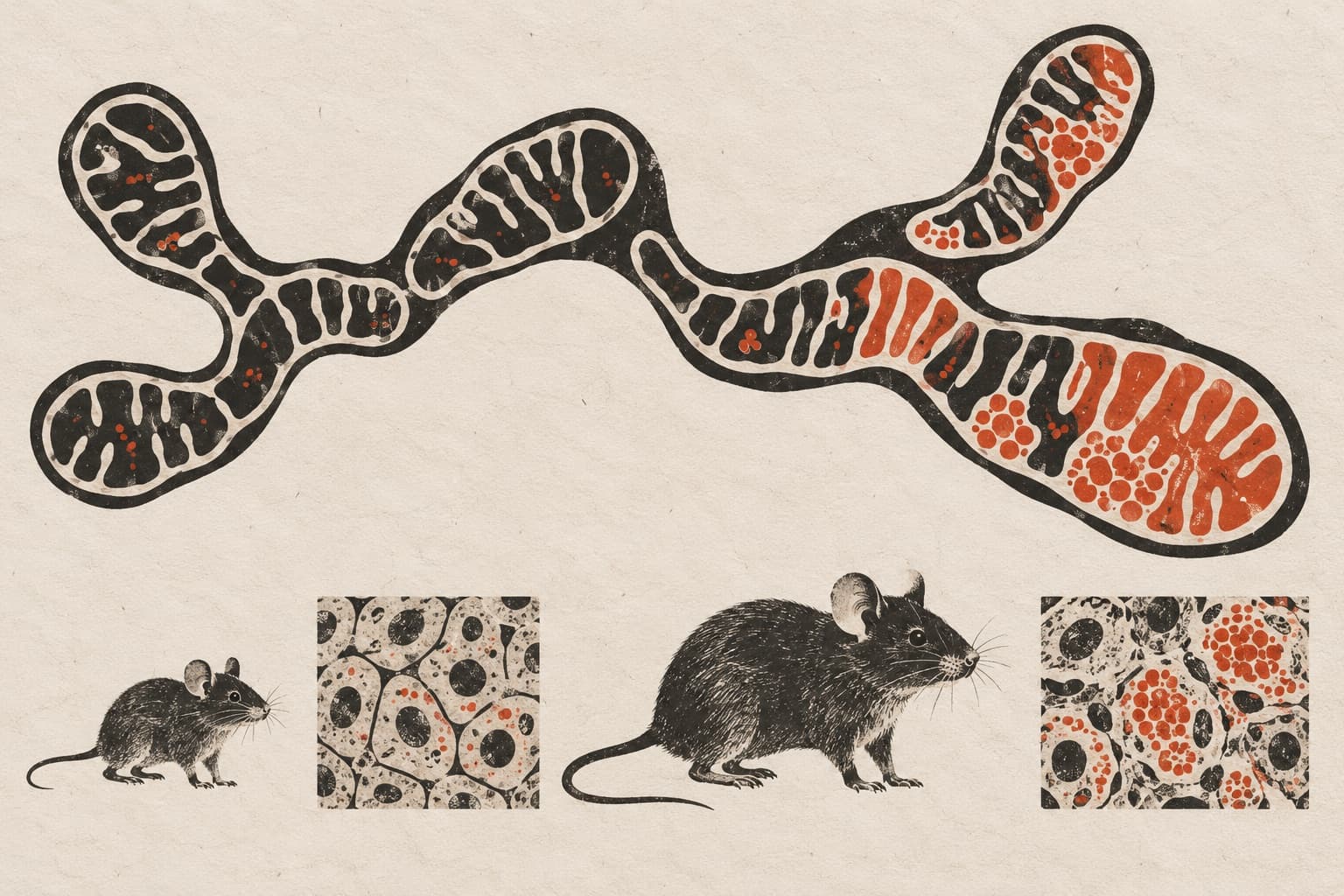
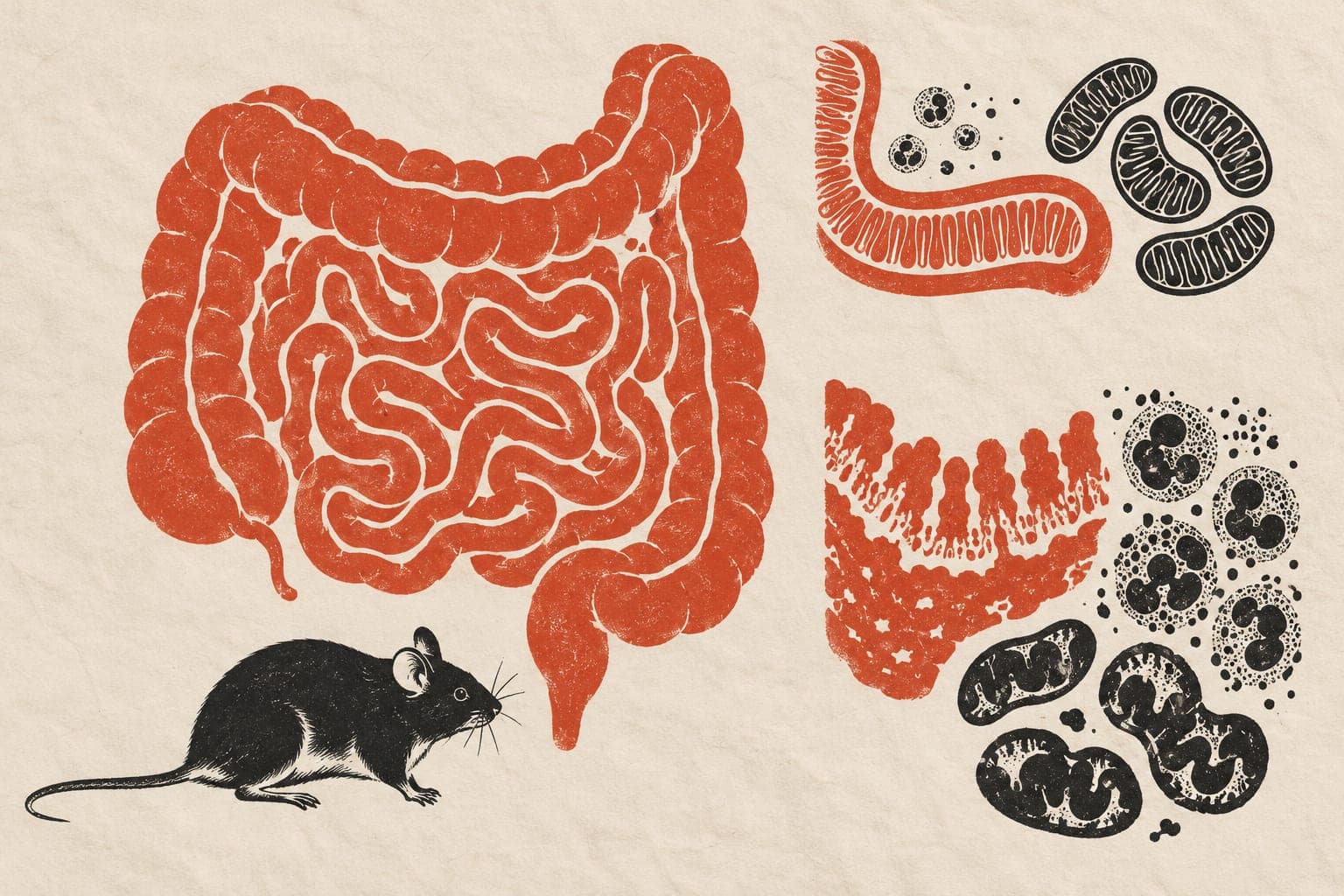
Fluoroquinolone (FQ) antibiotics have an established capacity for mitochondrial injury, yet only a subset of exposed patients develop severe or persistent toxicity. We propose the Mitochondrial Vulnerability Threshold (MVT) hypothesis: that whether a standard therapeutic FQ dose produces clinically significant toxicity may depend substantially on the patient's pre-existing mitochondrial reserve capacity rather than on fixed pharmacological properties alone. Although this toxicity was first recognized through musculoskeletal injury-particularly tendinopathy and tendon rupture-the reported syndrome extends to peripheral nerve, autonomic, central nervous system, and other tissues; we therefore use the term fluoroquinolone-associated multisystem toxicity (FQMT), with musculoskeletal (tendon) injury as its prototypical and best-characterized manifestation. We hypothesize that converging iatrogenic, nutritional, infectious, lifestyle, and environmental stressors-statin-associated CoQ10 depletion, proton-pump-inhibitor magnesium and B12 malabsorption, metformin-associated B12 depletion with genetically stratifiable risk, physical inactivity, metabolic syndrome, post-COVID-19 mitochondrial injury, antibiotic-induced dysbiosis, and environmental toxin burden-may contribute to higher apparent vulnerability in contemporary prescribing populations. We do not claim to demonstrate a temporal increase in FQMT incidence or severity; this is presented as a testable proposition. We further outline, as a speculative and explicitly unvalidated mechanism, whether epigenetic modification of the mitochondrial DNA displacement loop (D-loop) could contribute to escalating toxicity on repeat exposure. We propose the Mitochondrial Vulnerability Score (MVS) as a candidate research instrument (not a clinical prescribing tool) and present five falsifiable predictions with study designs. We discuss, with explicit caution, whether severe FQMT might in future be considered an acquired mitochondrial disorder, and we specify the evidence that such a classification would require. All clinical, therapeutic, and prophylactic content is hypothesis-generating and requires prospective validation.
- Modelling and theory
- Epigenetic regulation of gene expression
- Mitochondrial DNA maintenance
- Musculoskeletal injury
- Tendinopathy
- Humans
The paper
Double Helix (United States)
Frontiers in Pharmacology, 23 Sep 2026