Blood proteins linked aging measures to fatty liver disease risk
Blood proteins statistically accounted for 0.5 to 50.7% of the risk associated with biological aging measures.
13.60 years
In a prospective observational cohort study, researchers analysed 52,131 UK Biobank participants. They examined four biological aging measures, 2,911 proteins in blood plasma—the liquid part of blood—and later cases of metabolic dysfunction-associated steatotic liver disease. This condition involves liver fat build-up alongside problems with how the body processes energy.
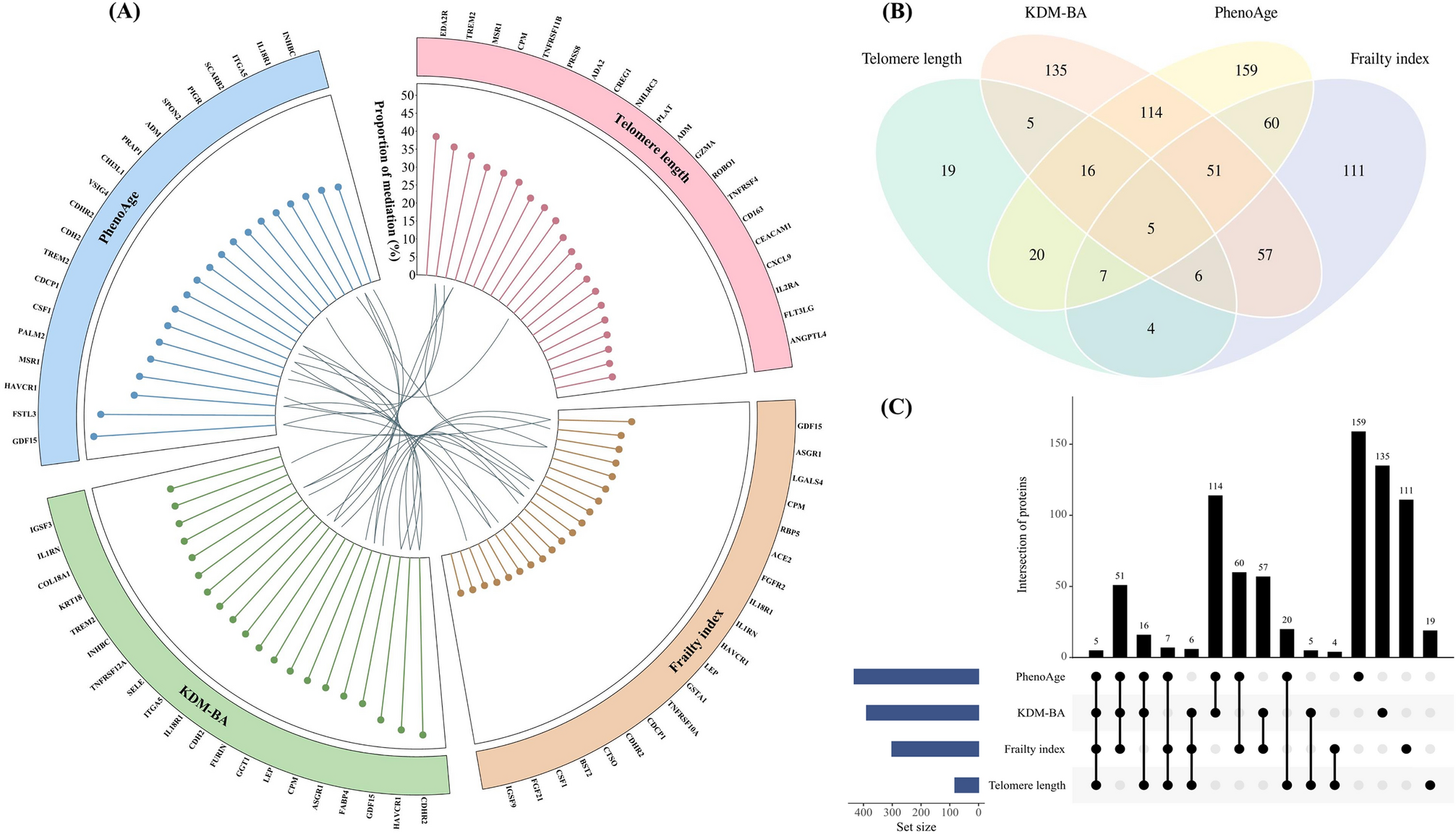
During a median follow-up of 13.60 years, 762 participants developed the disease. All four aging measures were linked to its incidence. Statistical mediation analyses, which estimate how much of an association other factors account for, identified 769 distinct proteins, including five shared across all four measures. Further analyses highlighted immune and inflammatory processes and pointed to lungs, fat tissue and arteries as predominant sources of the proteins.
Why it matters
For aging-associated liver disease, the findings suggest blood proteins worth investigating as early risk markers and potential targets for future therapies.
Caveats
This observational study cannot show that biological aging or the identified proteins caused liver disease. Statistical mediation does not establish a biological mechanism.
- Immune response
- Inflammation
- AXL
- Metabolic dysfunction-associated steatotic liver disease
- Frailty index
- Humans
The paper
Beijing YouAn Hospital
Hepatology International, 7 Oct 2026