Blood chemistry partly explained diet’s link to waist size
The share of blood fatty acids that were polyunsaturated partly accounted for the diet–waist link: 35.6% in men and 46.5% in women.
7 years, independent replication
Researchers analysed 9,225 adults from three Finnish population studies, whose mean age was 54 years, in an observational study. They assessed adherence to a healthy and sustainable diet using a Planetary Health Diet score adapted to Finnish food culture. They analysed 158 blood chemistry measures and measured body size at baseline and after seven years.
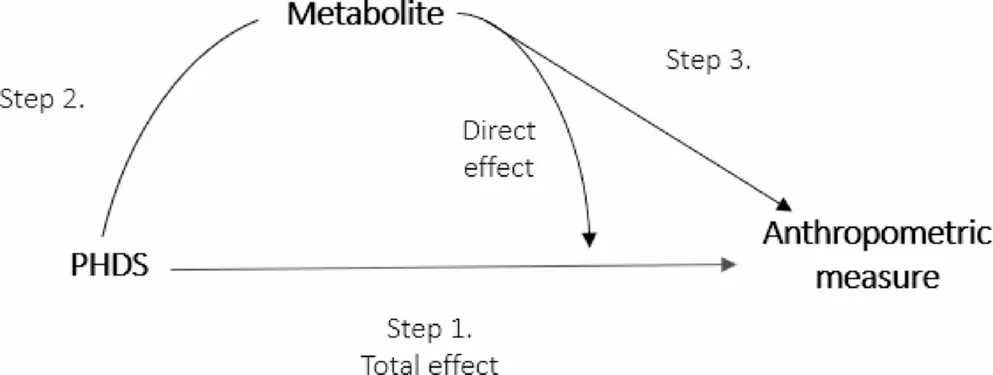
Seven blood measures partly accounted for the association between higher diet scores and smaller waists in both men and women. These included measures of fatty acids, the building blocks of fats. The authors suggested that the measures likely reflected higher fibre intake and better fat quality. They repeated the analyses in an independent dataset of 10,242 adults from three additional Finnish studies.
Why it matters
With participants averaging 54 years old, the study addressed weight management in midlife and the possible role of diet-related blood chemistry.
Caveats
This observational analysis could not establish that diet or blood chemistry caused differences in waist size. The findings came from Finnish adults using a diet score adapted to Finnish food culture.
From the paper
- Participants
The main sample included 4209 men and 5016 women, with the mean age of 54 years across studies and sexes (Table 1).
- Limitation
Although targeted analytical methods provide limited metabolite coverage, they offer greater sensitivity and accuracy compared to untargeted approaches.
Quoted word for word from the full text on link.springer.com.
- Planetary health diet
- Lipid and ceramide metabolism
- Short-chain fatty acid metabolism
- Acetate
- Body mass index
- Humans
The paper
University of Helsinki; Finnish Institute for Health and Welfare
European Journal of Nutrition, 7 Oct 2026, Open access