One omega-6 fat linked to lower peripheral artery disease risk
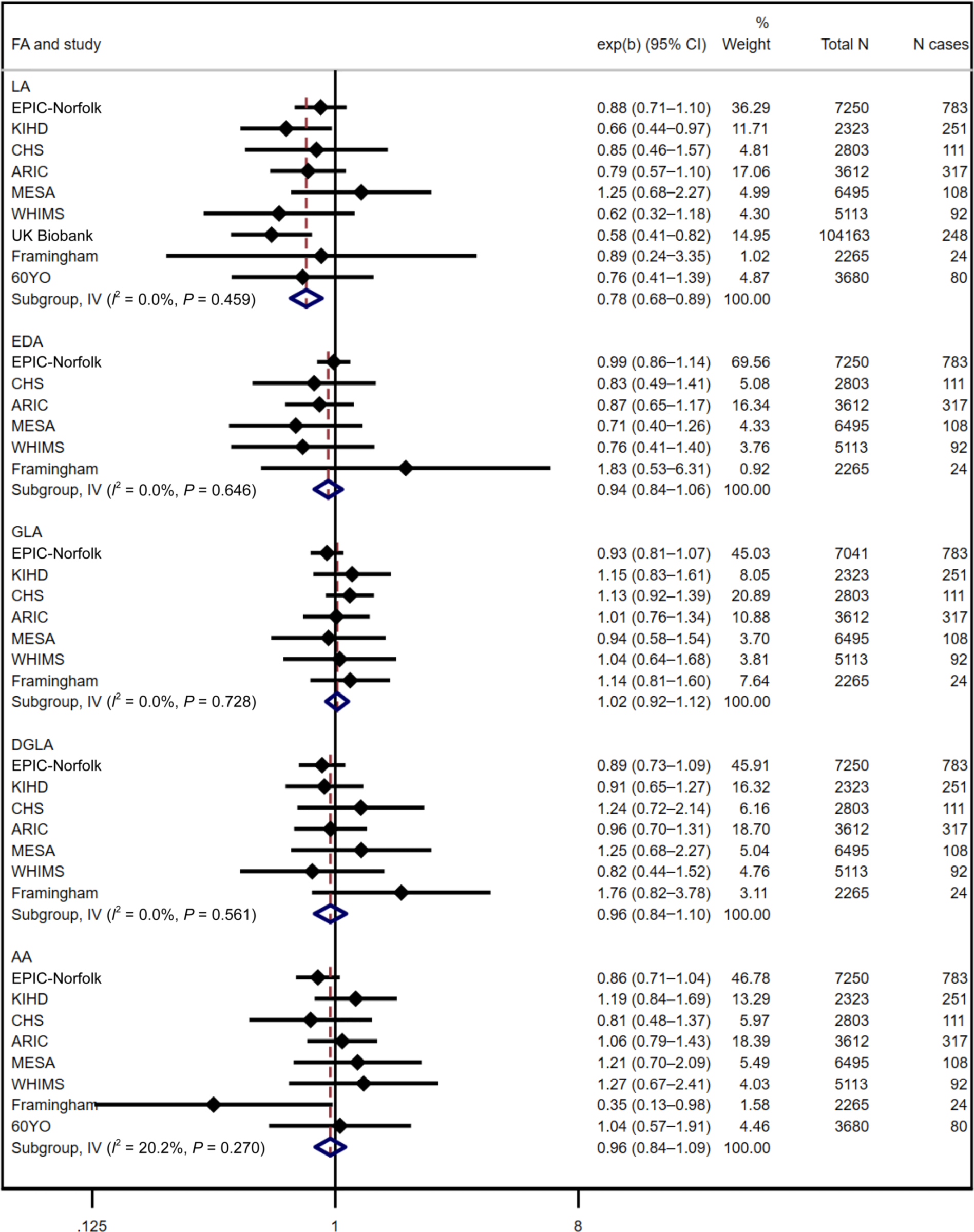
The relative rate of new peripheral artery disease was 0.75 for the highest versus lowest fifth of linoleic acid levels.
14 years
The observational analysis included 137,704 people from nine prospective cohorts who had no clinical peripheral artery disease at the start. This disease involves narrowed arteries outside the heart and brain, usually in the legs. Researchers measured omega-6 fats at the start. Follow-up lasted a median of 14 years, during which 2,014 participants developed clinical peripheral artery disease.
Only linoleic acid, one of the omega-6 fats measured, was associated with a lower risk. The other omega-6 fats examined were not associated with new disease. The results did not differ significantly by age, sex, diabetes status or smoking status. The authors concluded that researchers should assess individual omega-6 fats rather than group them together.
Why it matters
Peripheral artery disease is an age-related artery condition. Understanding its links with individual fats may help refine research on vascular health during aging.
Caveats
The observational design cannot establish cause and effect. Measuring fatty acid levels did not test whether changing dietary intake would alter disease risk.
- Lipid and ceramide metabolism
- Peripheral artery disease
- Linoleic acid
- Diabetes mellitus
- Arachidonic acid
- Humans
The paper
Department of Laboratory Medicine and Pathology University of Minnesota Minneapolis MN USA
Journal of the American Heart Association, 10 Oct 2026