Aging index better predicted death in US adults
In 6,896 adults, the index scored 0.893 for predicting death within three years, outperforming three existing age and health measures.
Independent replication
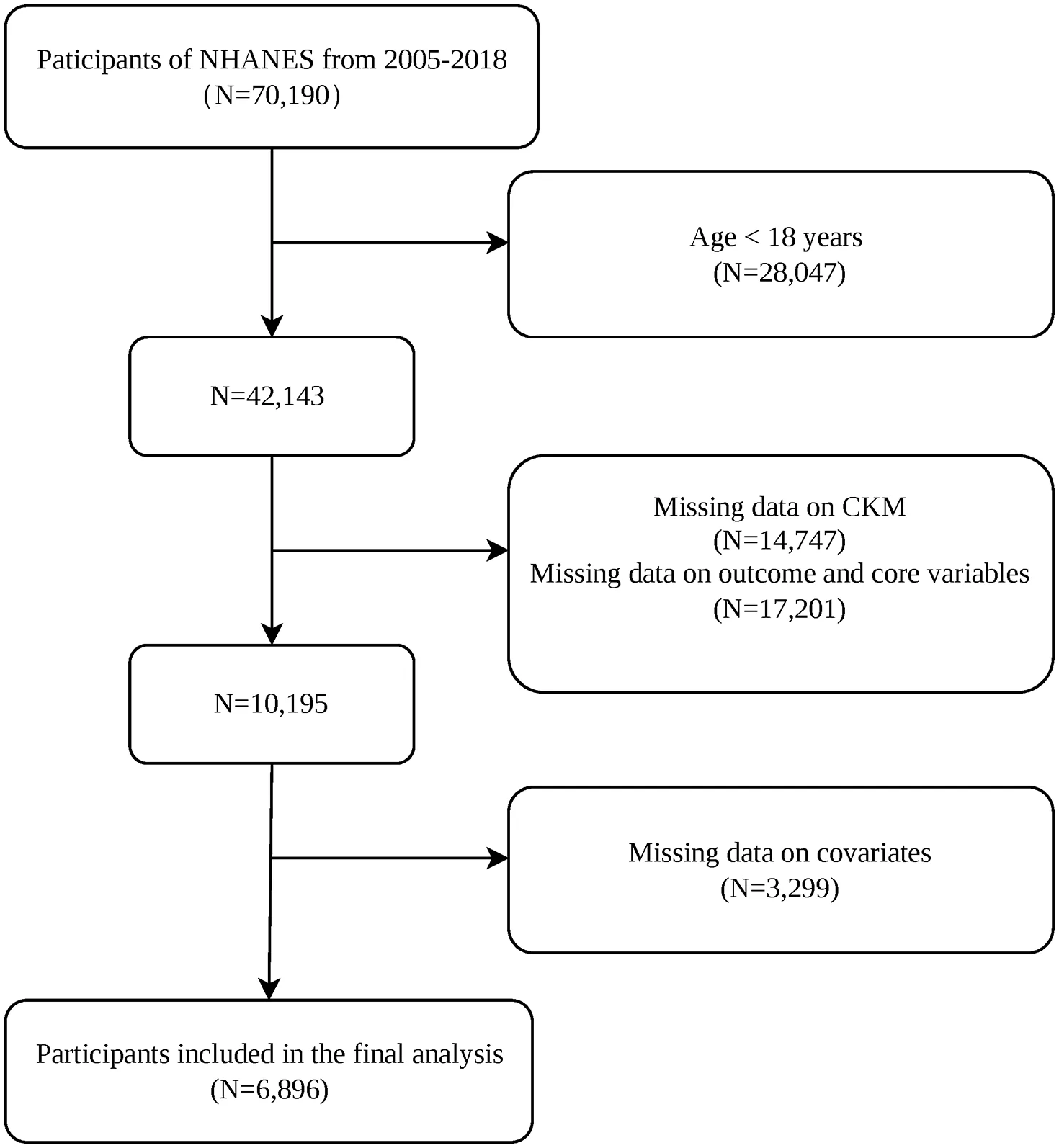
In a retrospective cohort study, researchers analysed data from 6,896 adults in the US National Health and Nutrition Examination Survey from 2005–2018. They developed an aging index for cardiovascular–kidney–metabolic syndrome, a set of linked problems affecting the heart, kidneys and how the body uses energy. They weighted the analysis to represent US adults.
The researchers used machine learning to compare more than 100 candidate models. The index outperformed three existing age and health measures in predicting deaths from any cause and deaths from heart and blood vessel disease, and in identifying high-risk syndrome status. For deaths from any cause, it scored 0.893 on a measure of how well it distinguished people who died within three years from those who survived. It scored 0.907 at five years and 0.890 at ten years.
Why it matters
The study addresses whether an aging index tailored to linked heart, kidney and energy-use problems might inform risk assessment and targeted prevention.
Caveats
The observational design cannot establish cause and effect. Validation in geographically independent cohorts with complete follow-up for deaths was lacking; preliminary testing in a Chinese hospital cohort of 261 people supported identification of high-risk syndrome status.
From the paper
- Participants
After applying the exclusion criteria, the final analytical cohort comprised 6,896 participants, when weighted to account for the complex survey design, the analytical cohort was representative of the noninstitutionalized US adult population (2005–2018).
- Result
Below this threshold, each 1 unit increase in CKMAI was associated with a HR of 1.11 (95% CI [1.10, 1.12]); above the threshold, the HR was 1.07 (95% CI [1.05, 1.09]).
- Limitation
First, the observational design precludes causal inference; residual confounding cannot be excluded.
Quoted word for word from the full text on journals.plos.org.
- Machine learning
- Cardiovascular-kidney-metabolic syndrome
- Cardiometabolic index
- CKMAI
- Klemera-Doubal method biological age
- Humans
The paper
Anhui University of Traditional Chinese Medicine
PLOS Medicine, 6 Oct 2026, Open access