Cardiometabolic index is linked to higher mortality risk
In 17,922 US adults, elevated cardiometabolic index was linked to higher all-cause mortality with a hazard ratio of 1.35, showing stronger associations below age 60.
Heart, Lung & Circulation
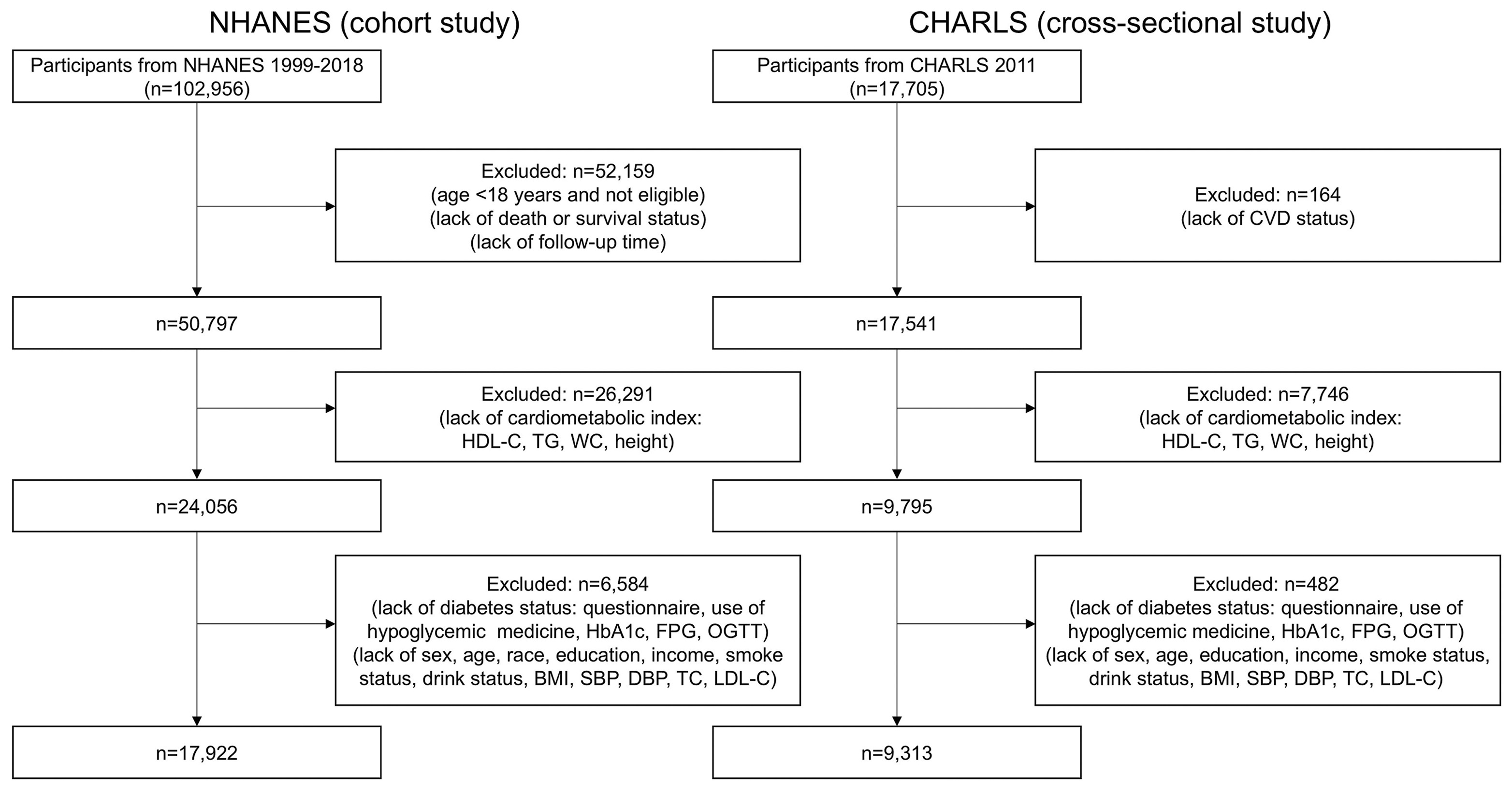
In an analysis of 17,922 US adults and 9,313 Chinese adults, researchers assessed how the cardiometabolic index relates to disease prevalence and mortality. The index combines waist-to-height ratio with the triglyceride-to-high-density lipoprotein cholesterol ratio. In the longitudinal US cohort, elevated index values were associated with higher risks of all-cause mortality (hazard ratio 1.35), cardiovascular mortality (hazard ratio 1.30), and diabetes mortality (hazard ratio 1.91). Age modified these relationships, showing stronger predictive utility in adults under 60 years old. Analyses also revealed a nonlinear threshold effect for all-cause mortality in this cohort. In the cross-sectional Chinese cohort, higher index values were linked to prevalent cardiovascular disease (odds ratio 1.06) and diabetes (odds ratio 1.66), alongside a steep linear rise in diabetes prevalence.
Why it matters
Cardiometabolic decline contributes heavily to functional impairment and death across aging populations. Low-cost composite markers combining adiposity and lipid profiles may help identify accelerated cardiometabolic risk decades before clinical endpoints occur.
Caveats
The Chinese cohort relied on cross-sectional data, preventing any assessment of disease progression or mortality over time in that group. Because both datasets are observational, the findings reflect statistical associations rather than causal effects.
- Lipid and ceramide metabolism
- Cardiometabolic index
- Diabetes mellitus
- Cardiovascular disease
- Cardiometabolic disease
- Humans
The paper
Shanghai Jiao Tong University · The People's Hospital of Yiyang
Heart, Lung & Circulation · 30 Sep 2026