Aged mice had high levels of a hormone that raises blood sugar
Experiments found increased release of the hormone in aged mice with normal or reduced responses to insulin, which lowers blood sugar.
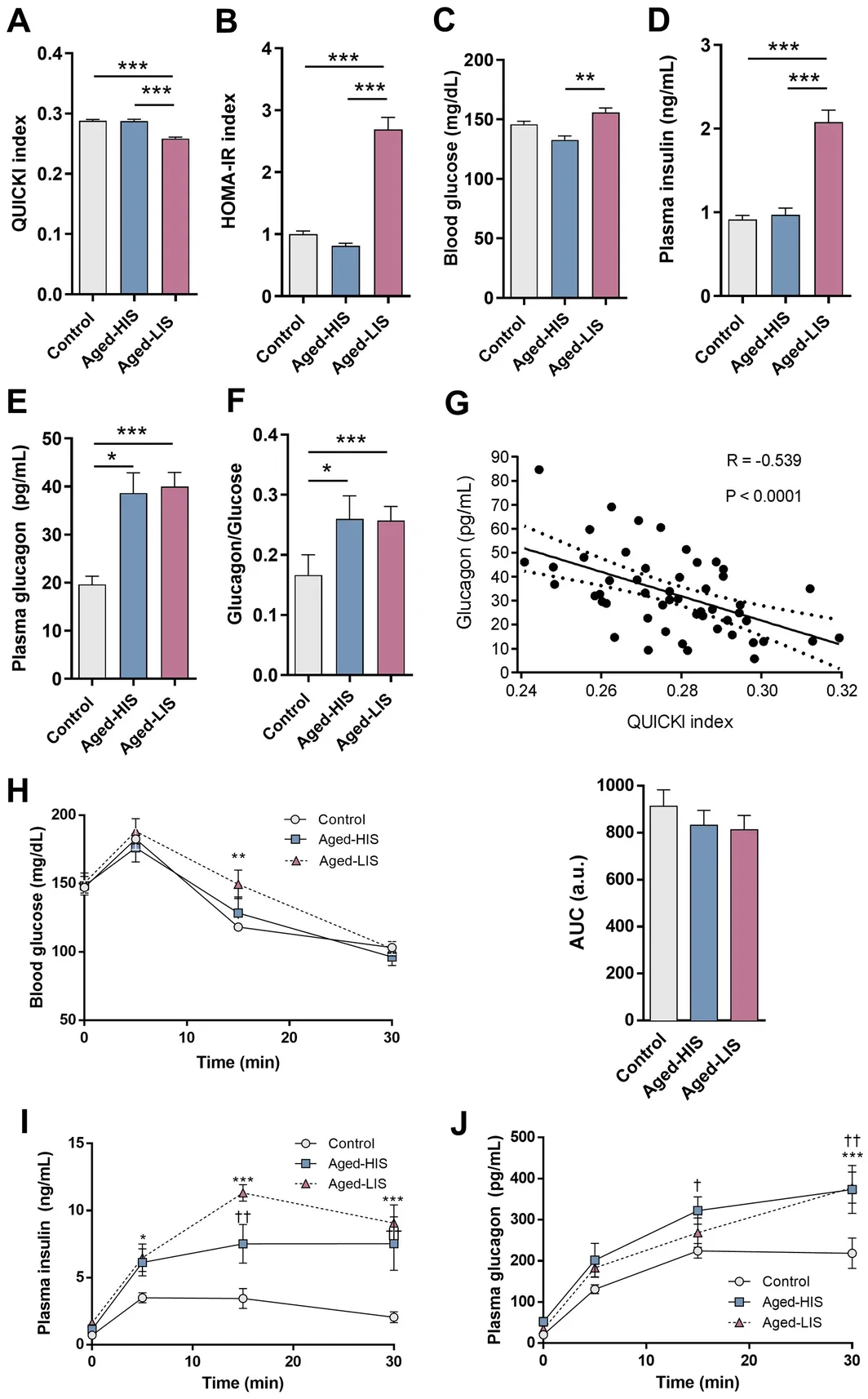
In an animal experiment, researchers studied aged mice with normal sensitivity or resistance to insulin, a hormone that lowers blood sugar. They examined pancreatic alpha cells, which release glucagon, a hormone that raises blood sugar. Both groups had high blood glucagon levels and increased glucagon release. Tests outside the animals linked these changes to a greater total mass of alpha cells, higher glucagon content and poorer suppression of glucagon release. Most changes were already present in mice with normal insulin sensitivity but were generally more pronounced with insulin resistance.
A separate analysis of the CORDIOPREV clinical study found high blood glucagon in older adults with insulin resistance. Older people with higher blood glucagon also had a higher risk of developing type 2 diabetes.
Why it matters
Blood sugar control depends on both insulin and glucagon. The findings point to glucagon-producing cells as contributors to impaired blood sugar control and diabetes associated with aging.
Caveats
The main findings came from experiments in mice, not people. The human analysis linked glucagon levels to diabetes risk but did not establish cause and effect.
From the paper
- Limitation
Because aged-HIS mice represent a smaller proportion of the aged cohort, the number of available animals for this specific group was particularly constrained.
Quoted word for word from the full text on onlinelibrary.wiley.com.
The paper
Universitat de Miguel Hernández d'Elx
Aging Cell, 1 Oct 2026, Open access


