Acute LINE-1 transcription remodels the molecular landscape of human fibroblasts
Transient overexpression of the retrotransposon alters gene expression, proteins, and secretions while affecting cell cycle and interferon pathways.
bioRxiv
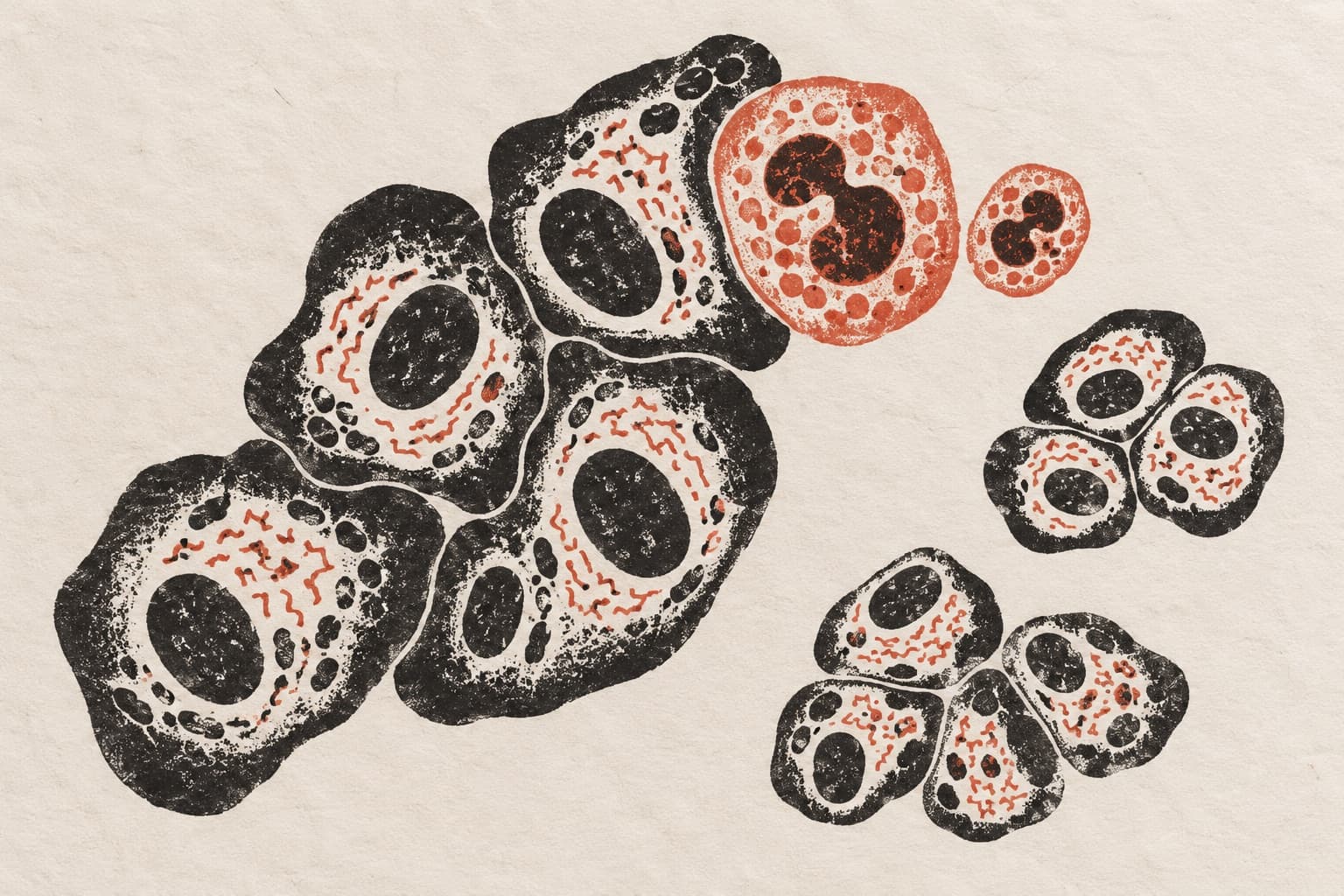
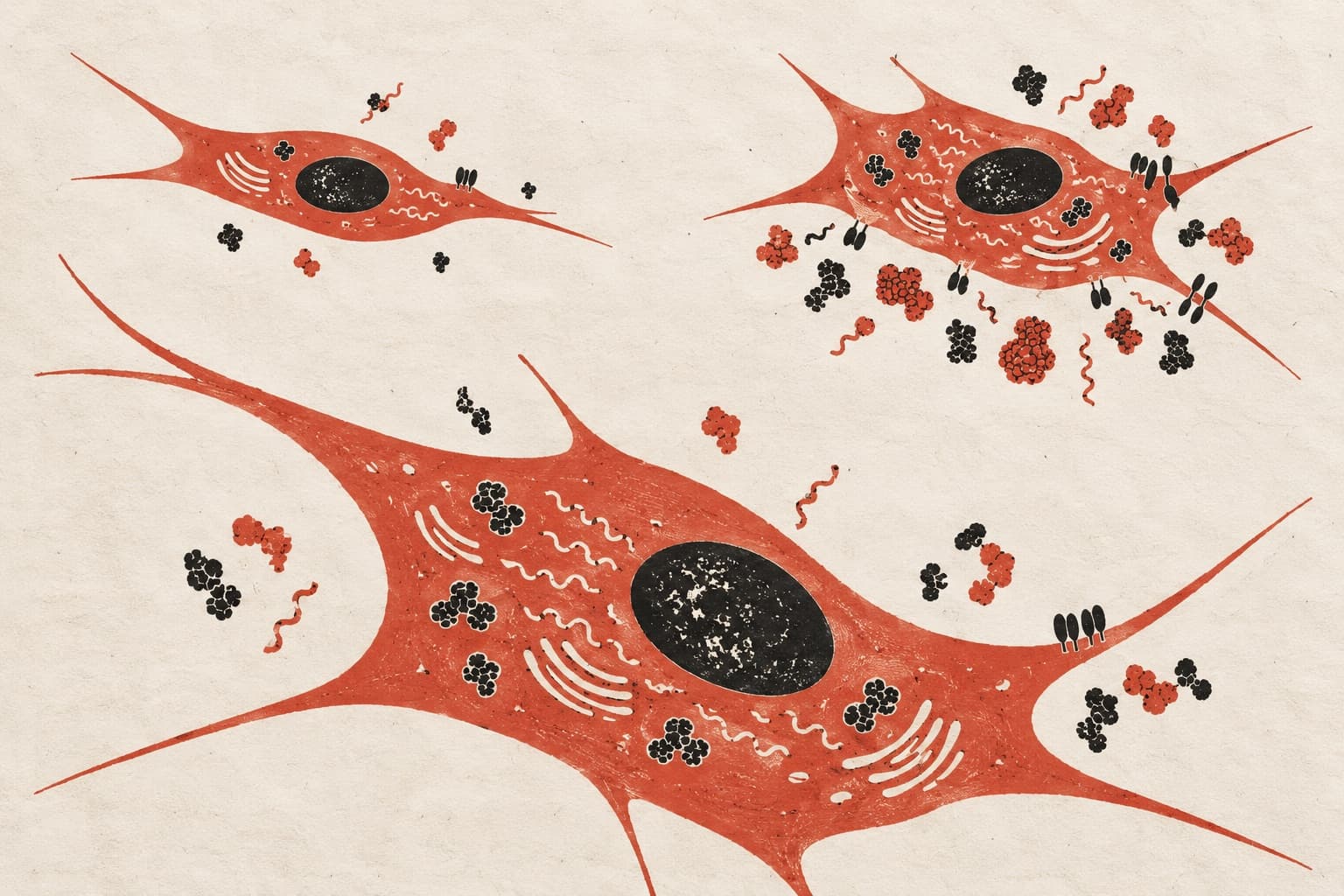
In primary human IMR-90 fibroblasts, transient activation of the retrotransposon LINE-1 reshapes molecular networks across multiple cellular layers, according to a recent preprint. Researchers used transcriptomics, proteomics, and secretomics to measure the systems-level effects of acute human L1Hs overexpression in these healthy cells. They found that transient L1Hs expression induced widespread remodeling across the transcriptome, proteome, and secretome. The expression altered pathways tied to cell cycle control and interferon signaling. When evaluating multiple independent L1 elements, the team observed both shared and distinct cellular responses to acute expression. Overall, acute L1 transcription triggered coordinated molecular changes that reached beyond canonical retrotransposition pathways rather than simply mimicking senescence or antiviral responses.
Why it matters
LINE-1 derepression frequently occurs during cell senescence and organismal aging, and these findings indicate that transposable element activity can directly drive broad molecular remodeling in human cells.
Caveats
The study was conducted in cultured human cell lines rather than living tissue, focuses on acute overexpression, and has not yet undergone peer review.
- Resources: datasets, atlases and tools
- Cell cycle regulation
- Transposable element activity
- Type I interferon signalling
- Humans
The paper
University of Southern California
bioRxiv · 8 Sep 2026 · Preprint, not peer-reviewed