Protein rheostasis: quality control in metastable proteomes
Abstract
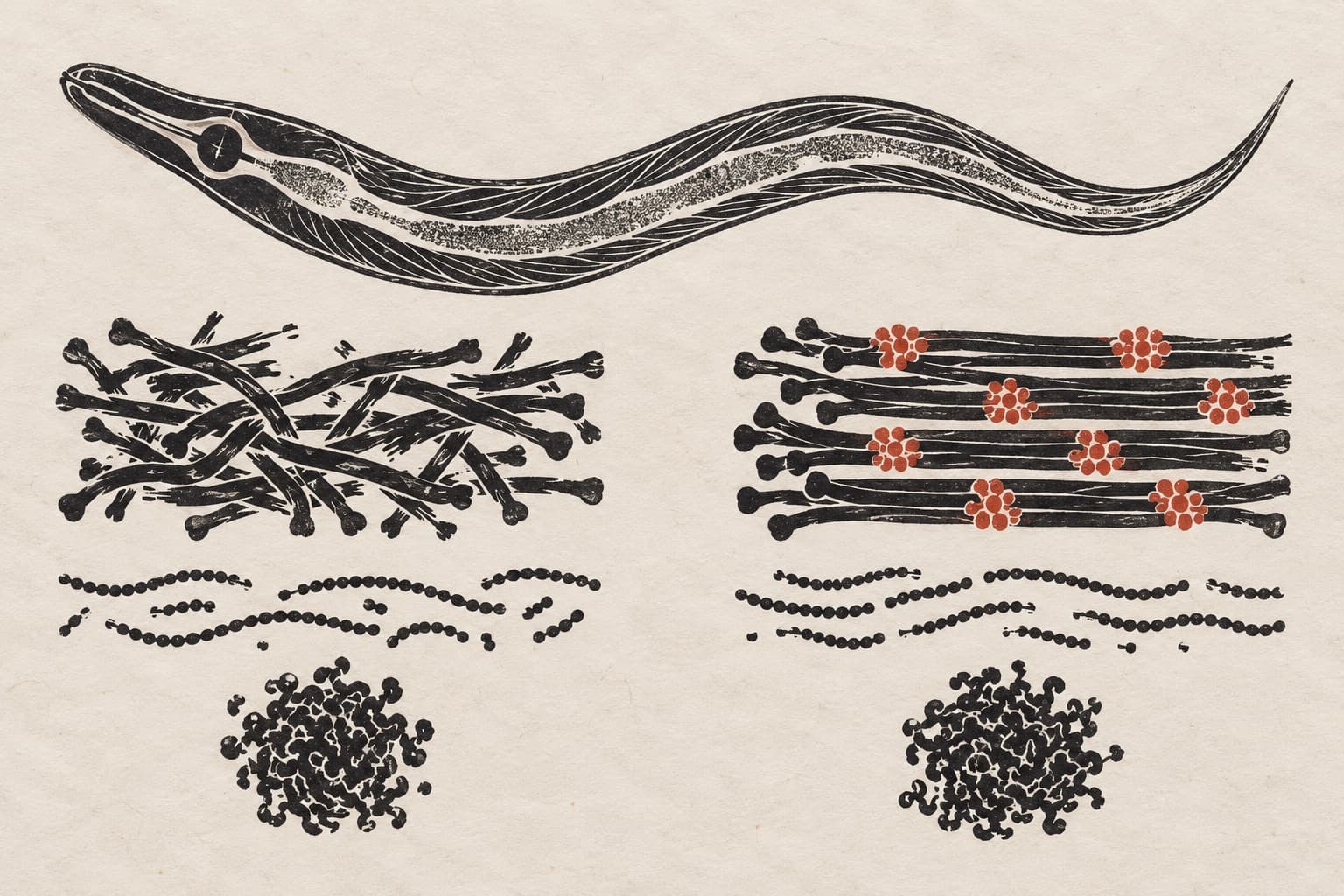
Protein homeostasis is often described as the capacity of cellular quality-control systems to maintain proteome function by favouring functional protein states. Yet many proteins can populate multiple states, including native conformations, liquid-like condensed assemblies, and aggregated states, reflecting the metastability of the proteome. As a framework for understanding how cells preserve proteome function under such conditions, we discuss protein rheostasis as the system that regulates thermodynamic driving forces and kinetic barriers to control the flux between alternative states over time. Framing proteome maintenance in terms of rheostatic control over the multiple states helps rationalize how ageing, stress, and mutations redistribute populations towards condensed and aggregated states by eroding kinetic buffering capacity, and it suggests therapeutic opportunities that restore control by tuning the transitions between metastable states. This article is part of the Theo Murphy meeting issue 'ProteostaSys: a systems view of proteostasis'.
The paper
University of Cambridge
Philosophical Transactions of the Royal Society of London, Series B, 1 Oct 2026, Open access