Discrepancy between self-perceived dietary habits and objective clinical risk of liver fibrosis: A cross-sectional study of Japanese health checkup participants
Abstract
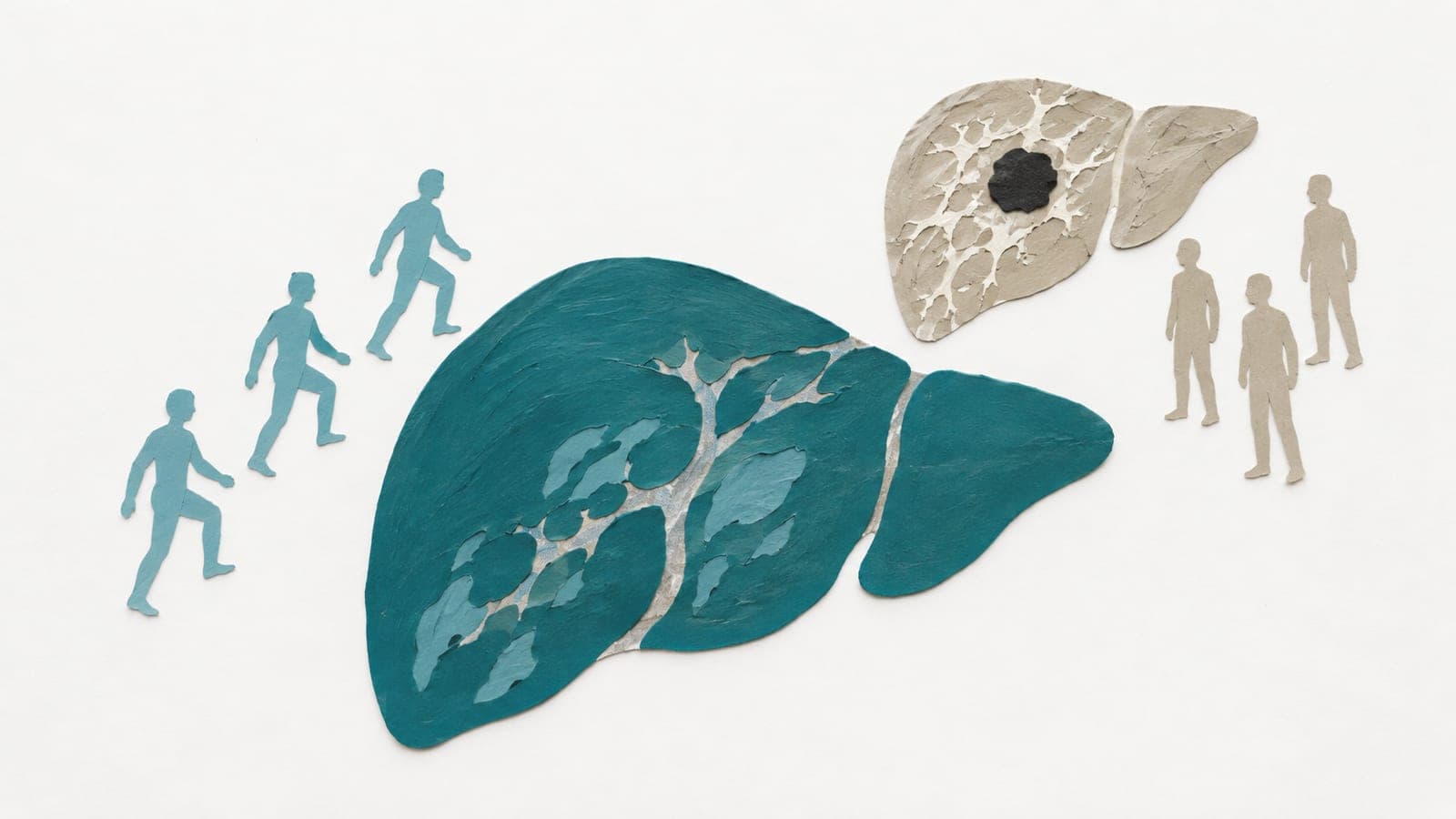
Background and objectives Lifestyle modification is the cornerstone of liver disease management; however, its success depends on accurate self-assessment. We investigated the clinical characteristics of individuals at risk of liver fibrosis and the discrepancy between their objective risk and self-perceived lifestyle habits in patients with steatotic liver disease. Methods and study design This cross-sectional study included 167 par-ticipants diagnosed with steatotic liver disease. Participants were categorized into a high-risk group (n = 57) and a control group (n = 110) based on the age-adjusted Fibrosis-4 index cutoffs. Multivariable logistic regression was used to identify independent factors, and self-perceived habits were compared to evaluate cognitive-clinical discrepancies. Results Age was identified as the sole independent clinical factor associated with the risk of fibrosis. The high-risk group exhibited significantly lower alanine aminotransferase and tri-glyceride levels than those of the control group. Despite their higher clinical risk, the high-risk group reported significantly higher engagement in habitual exercise (53% vs. 31%, p = 0.006) and restorative sleep (odds ratio: 3.24). High-risk individuals were also significantly less likely to report the frequent intake of sweets (odds ratio: 0.253). Conclusions A profound cognitive-clinical discrepancy exists among individuals at risk for liver fibrosis, which may lead them to misinterpret pathologically declining biomarkers as successful out-comes of their lifestyle efforts. Health promotion must move beyond general advice to incorporate perception-correcting feedback that reconciles subjective health views with objective pathological realities.
The paper
Jichi Medical University
Asia Pacific Journal of Clinical Nutrition, 1 Oct 2026