Therapeutic Strategies Targeting TREM2 for Alzheimer's Disease: Current Advances and Future Perspectives
Abstract
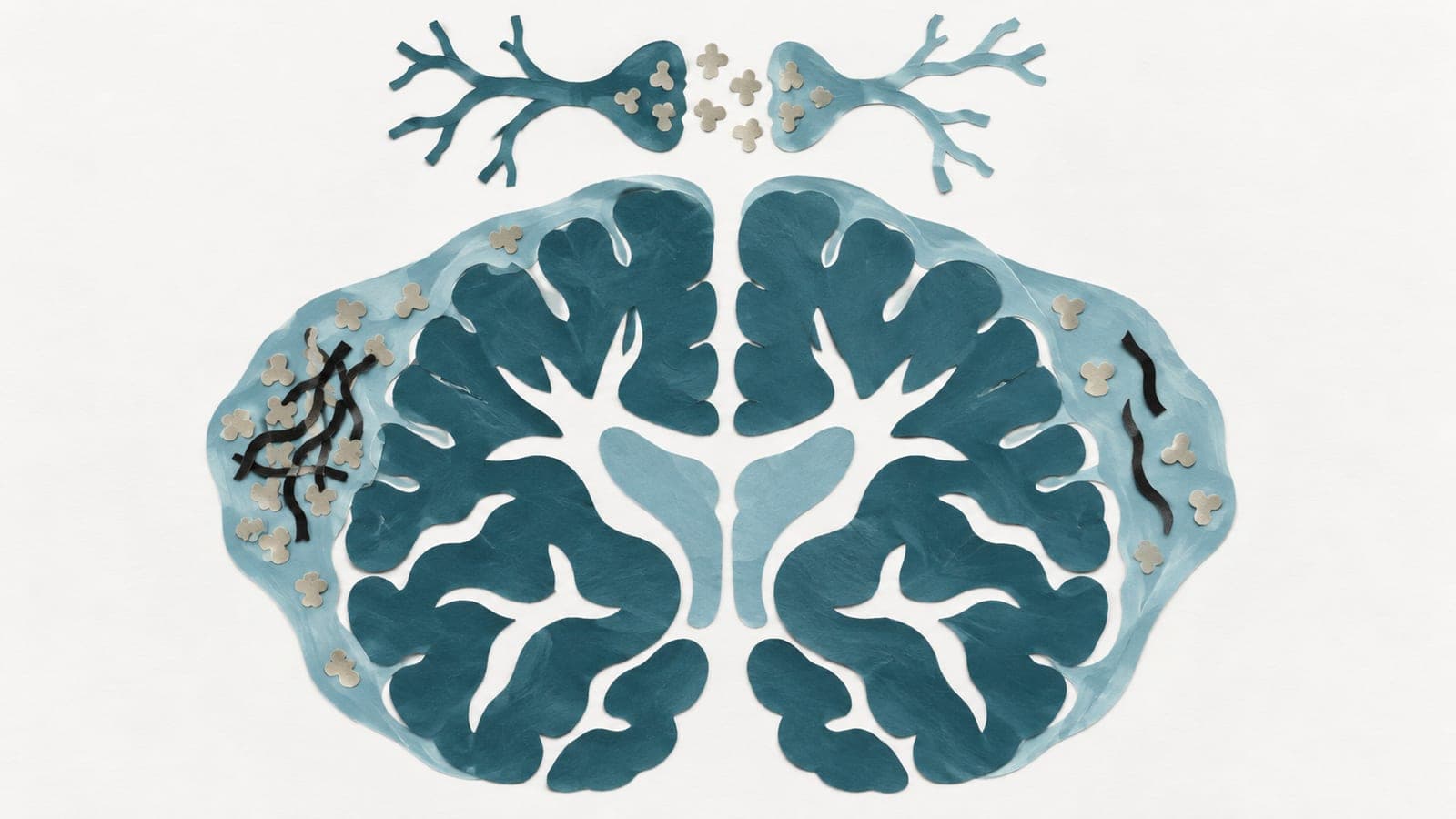
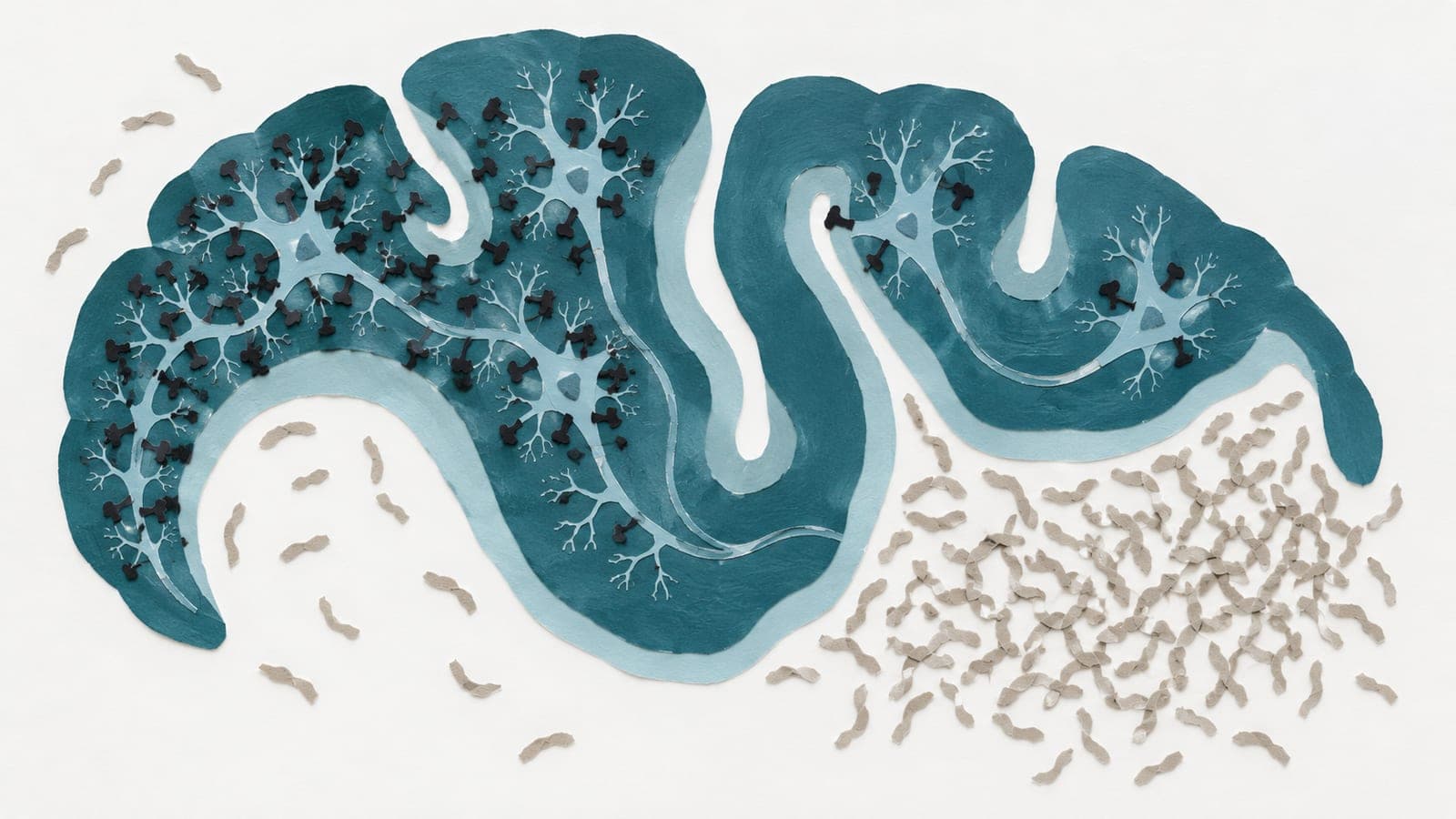
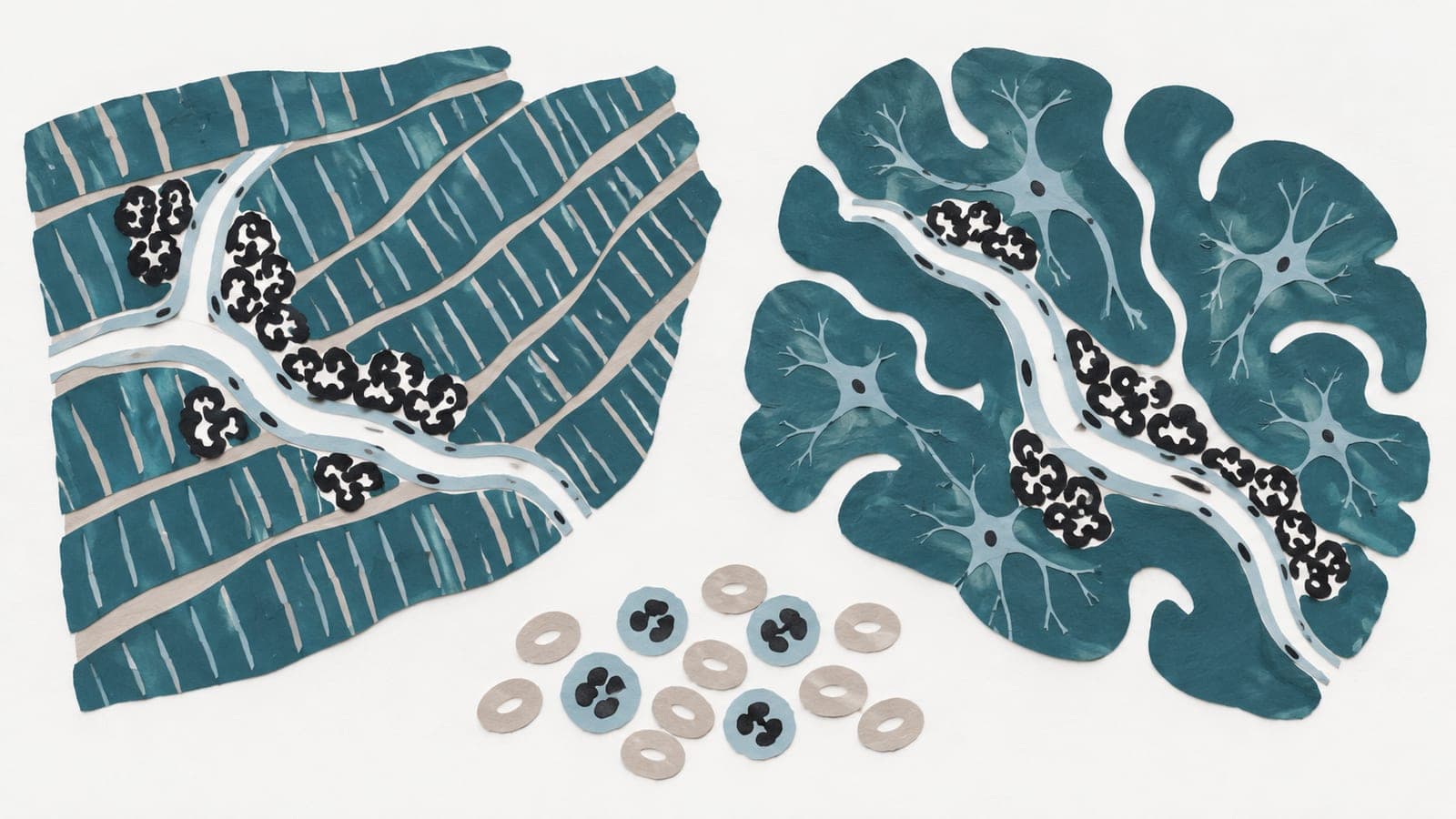
Background Alzheimer's disease is a progressive neurodegenerative disorder characterized by cognitive decline and protein aggregation. The Triggering Receptor Expressed on Myeloid Cells 2 (TREM2) has been identified as a key regulator of pathogenesis. This review summarizes current understanding of the receptor's structure, ligands, signaling, roles in disease, and therapeutic targeting strategies. Methods A structured narrative review was conducted using targeted searches of PubMed, Web of Science, and Scopus, supplemented by citation tracking and searches of ClinicalTrials.gov. Results TREM2 is a microglial immunoreceptor that recognizes apolipoprotein E and amyloid-β. Through the canonical DAP12-SYK axis, TREM2 regulates microglial phagocytosis, metabolism, and inflammatory responses. In Alzheimer's disease, it modulates amyloid-β clearance, tau hyperphosphorylation, and neuroinflammation in a stage-dependent manner. Loss-of-function variants increase disease risk. Therapeutic strategies include direct membrane-TREM2 agonistic antibodies, shedding-modifying antibody fragments, soluble TREM2-based approaches, gene-delivery platforms, small-molecule agonists, and indirect TREM2-associated natural-product modulators. These approaches differ in target-binding evidence, TREM2 dependence, disease-model relevance, safety, and clinical maturity. Discussion TREM2 functions within a context-dependent framework in which gene dosage, disease stage, pathological substrate, microglial state, and activation duration jointly determine protective or maladaptive outcomes. Therapeutic modalities differ in specificity, brain exposure, reversibility, and translational readiness, while target engagement alone does not guarantee clinical benefit. Conclusions TREM2 remains a promising but context-sensitive therapeutic target. Successful translation will require controllable modulation, stage- and pathology-specific treatment windows, biomarkers of functional response, and patient stratification according to genotype, amyloid-β and tau burden, and microglial state.
The paper
Yanbian University
Current Neuropharmacology, 22 Sep 2026