Regional signaling controls stem cell-mediated regeneration in an invertebrate chordate
Abstract
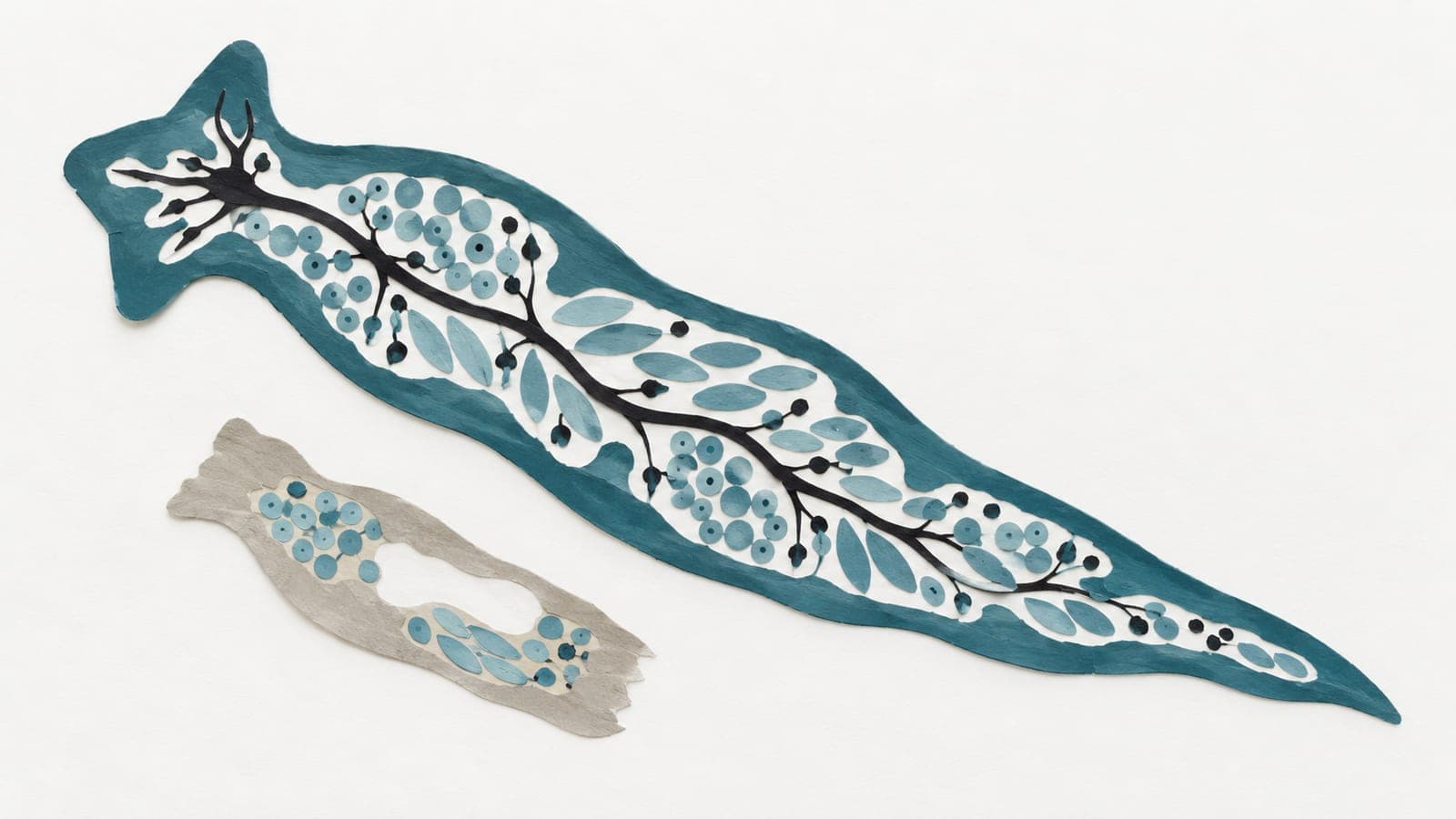
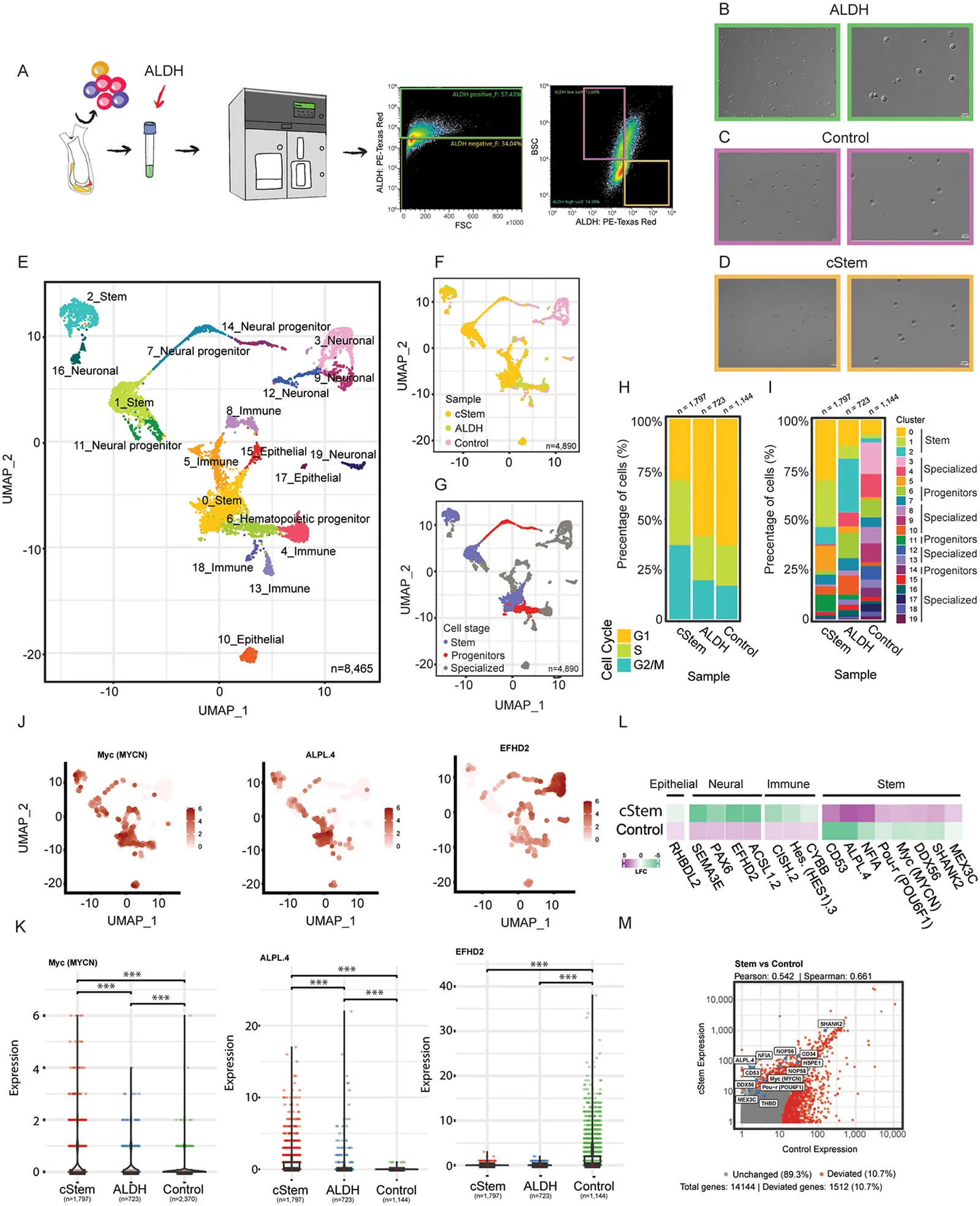
Many tissues harbor quiescent stem cells that activate after injury, yet how local signals regulate this transition is not well understood. The solitary ascidian Ciona robusta provides a unique model, as bottom body fragments regenerate while upper fragments fail to do so. By comparing these regenerative and non-regenerative contexts, we reveal striking differences in transcriptional dynamics and signaling environments. Combining flow cytometry, scRNA-seq, transplantation, and fate mapping, we identified a candidate stem cell population with robust proliferative and differentiation potential following transplantation. However, regenerative capacity does not simply reflect stem cell abundance, but instead depends on region-specific signaling cues. Local expression of metabolic, immune and differentiation-related factors further underscores the importance of spatially distinct environments in shaping outcomes. Our findings show how a shared injury response is associated with divergent regenerative outcomes, highlighting principles that may inform strategies to enhance tissue repair in other systems.
From the paper
- Events by group
Under identical conditions, cStem donor-derived cells constituted up to 3.44% of recipient cells (n = 19 animals, pooled), compared to 0.27% for control donor-derived cells (n = 7 animals, pooled).
Quoted word for word from the full text on PubMed Central.
The paper
University of Padua; Institute for Stem Cell Biology and Regenerative Medicine
PLOS Biology, 18 Sep 2026, Open access